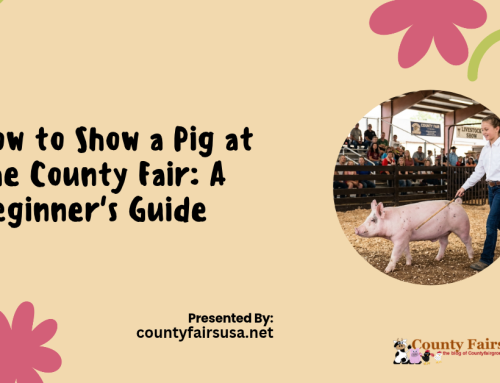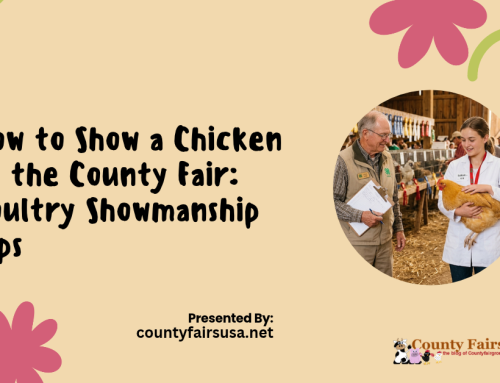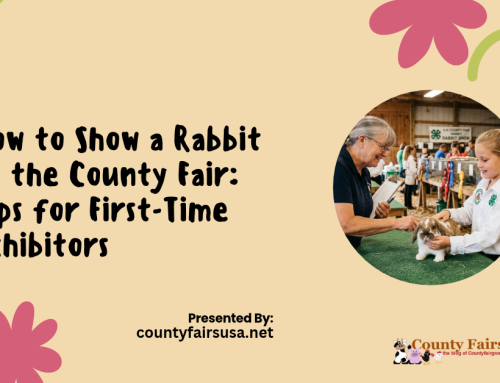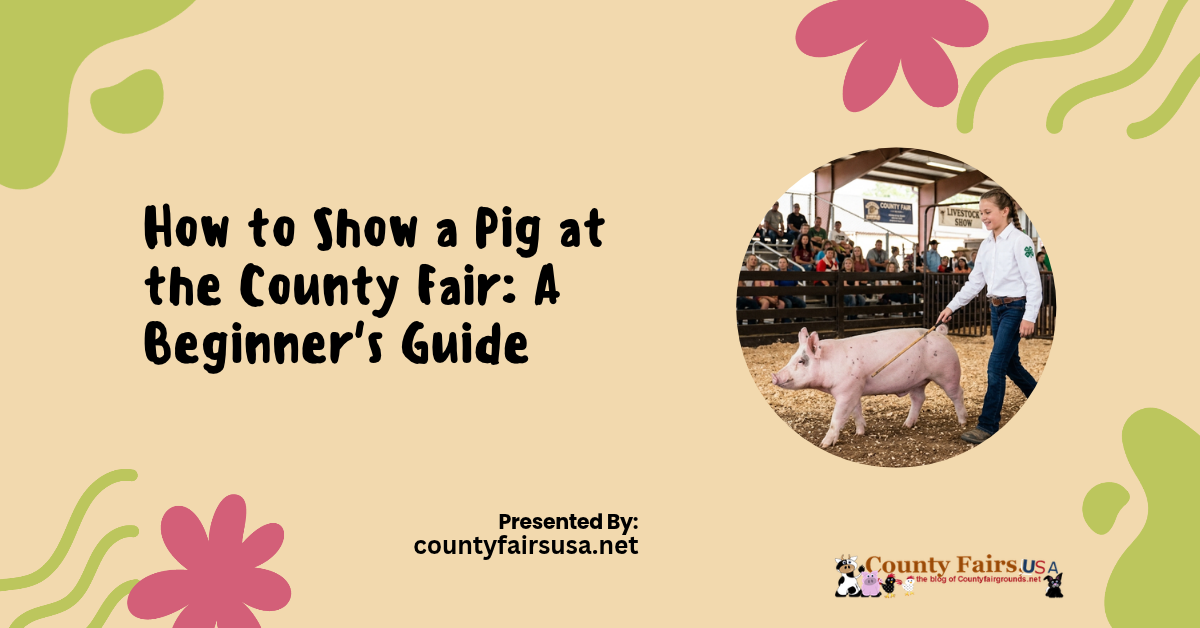
Stepping into the agricultural arena with your project animal is an unforgettable experience, and learning showing a goat opens the door to lifelong skills. Exhibiting livestock teaches responsibility, dedication, and sportsmanship. By investing time in proper selection, daily feeding routines, and patient showmanship training, you can build a strong partnership with your animal. Preparing for county fair season requires attention to detail, proper equipment, and a positive attitude from start to finish.
In this article: Understanding the 4-H Tradition, Selecting Your Project Animal, Daily Care and Nutrition, Halter Breaking and Leading, Step-by-Step Ring Setup, Mastering Showmanship Technique, Frequently Asked Questions, Preparing for Fair Week Success
Key Takeaways
- Project foundation: Joining local youth programs like a 4-H sheep project provides structured guidance, mentorship, and a supportive community for new exhibitors.
- Nutritional balance: Feeding a high quality ration and providing clean water daily helps your winning livestock show tips develop optimal muscle definition and finish.
- Ring posture: Learning the exact method for setting up a lamb ensures the official evaluator sees a balanced and structurally sound animal.
- Physical presentation: Mastering the technique of bracing a lamb highlights its natural muscle expression and structural strength under hand pressure.
- Handler readiness: Studying perspectives from a a fair judge’s day helps you understand what evaluators expect during intense show ring competitions.
Understanding the 4-H Tradition and Youth Agriculture
Raising a livestock project connects young people to a rich heritage of agricultural education. Participating in county fair programs helps develop public speaking skills, financial literacy, and deep respect for livestock production. You will spend months caring for your animal, which builds a strong work ethic. Every early morning feeding session and late evening wash rack visit contributes to your personal growth.
Your journey begins months before the fair gates open to the public. You must plan your project timeline carefully to ensure your animal reaches peak condition at the right time. Most market projects run between four and six months. During this period, you will learn how to monitor growth rates, adjust feed rations, and respond to changing weather conditions.
 Selecting Your Project Animal
Choosing the right animal sets the foundation for your entire fair experience. You want to look for an individual that shows structural correctness, structural balance, and good width across the top. A wide loin and deep leg indicate heavy muscling, which is critical for success in market classes. Avoid lambs with weak pasterns or crooked legs, because these structural flaws become more pronounced as the animal matures.
Purchasing a healthy lamb from a reputable breeder ensures you start with strong genetics. Prices for quality project lambs vary by region, typically ranging from three hundred to eight hundred dollars depending on pedigree and muscle expression. Check the animal for signs of health, including bright eyes, a clean nose, and an active demeanor. A healthy lamb eats aggressively and moves with energy around the pen.
| Trait Category | What to Look For | What to Avoid |
|---|---|---|
| Skeletal Structure | Straight front legs and strong pasterns | Knock knees, splay feet, or weak pasterns |
| Muscle Expression | Wide loin, thick rack, and heavy twist | Narrow top, shallow twist, or flat loin |
| Balance and Style | Level top line and deep body capacity | Roach back, steep rump, or shallow heart girth |
| Health and Vigor | Bright eyes, active walk, and clean fleece | Dull coat, heavy coughing, or lethargic movement |
Daily Care and Nutrition Routines
Establishing a reliable daily routine keeps your lamb healthy and growing at the correct rate. Feed your animal twice a day at the exact same times to maintain proper digestion and steady weight gain. Clean out the pen regularly to prevent health issues like foot rot or skin irritation. Fresh water must be available twenty four hours a day to aid digestion and keep the animal cool.
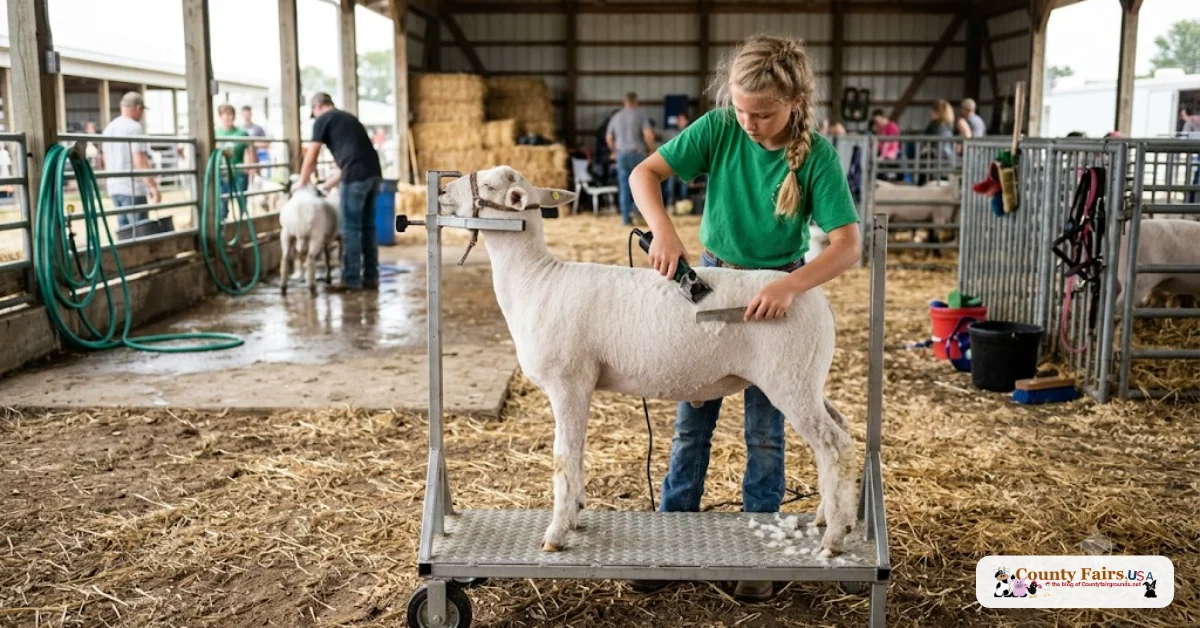
Grooming your animal daily helps build trust and gets the lamb used to being handled. Use a stiff brush to remove dirt and stimulate the skin to encourage healthy wool growth. Walk your lamb around the yard to build its stamina and get it accustomed to moving with you. Pay attention to how your animal reacts to touch so you can gently correct any nervous behaviors before show day arrives.
Halter Breaking and Leading Techniques
Halter breaking is the process of teaching your lamb to lead willingly beside you without pulling or dragging its feet. Put a lightweight show halter on your lamb and let it stand tied in a secure area for short periods. Hold the lead strap and gently guide the lamb forward using steady, patient pressure. Never yank or pull the head harshly, because this creates fear and resistance.
Practice turning your lamb in both directions to make sure it responds smoothly to your cues. Tap the animal gently under the chin to keep its head up while walking at a moderate pace. Reward calm behavior with a gentle scratch behind the ears to reinforce positive habits. Daily practice sessions lasting ten to fifteen minutes yield the best results without wearing out your young animal.
Step-by-Step Ring Setup
Setting up your lamb correctly in the show ring is a fundamental skill that every exhibitor must master. When the evaluator walks down the line, you need to place your animal’s feet directly under its shoulders and hips. Follow this numbered guide to execute a clean setup every single time:
- Hold the halter strap securely in your left hand while controlling the chin strap under the animal’s jaw.
- Walk the lamb forward into the desired stopping position, keeping your body near its shoulder.
- Reach down with your right hand to pick up the lamb’s front right leg and place it squarely on the ground.
- Reach back to position the front left leg so both front feet align evenly beneath the chest floor.
- Grasp the rear leg closest to you by the cannon bone and place it directly under the hip bone.
- Position the remaining rear leg so the animal stands wide, balanced, and ready to brace.
1:12 Teaching Show Sheep to Brace YouTube · Weaver Livestock
10:16 HOW TO SHOW A MARKET LAMB YouTube · USU Extension – Cache County
3:20 Sheep Care: Showmanship YouTube · OSU Extension Professionals
Mastering Showmanship Technique
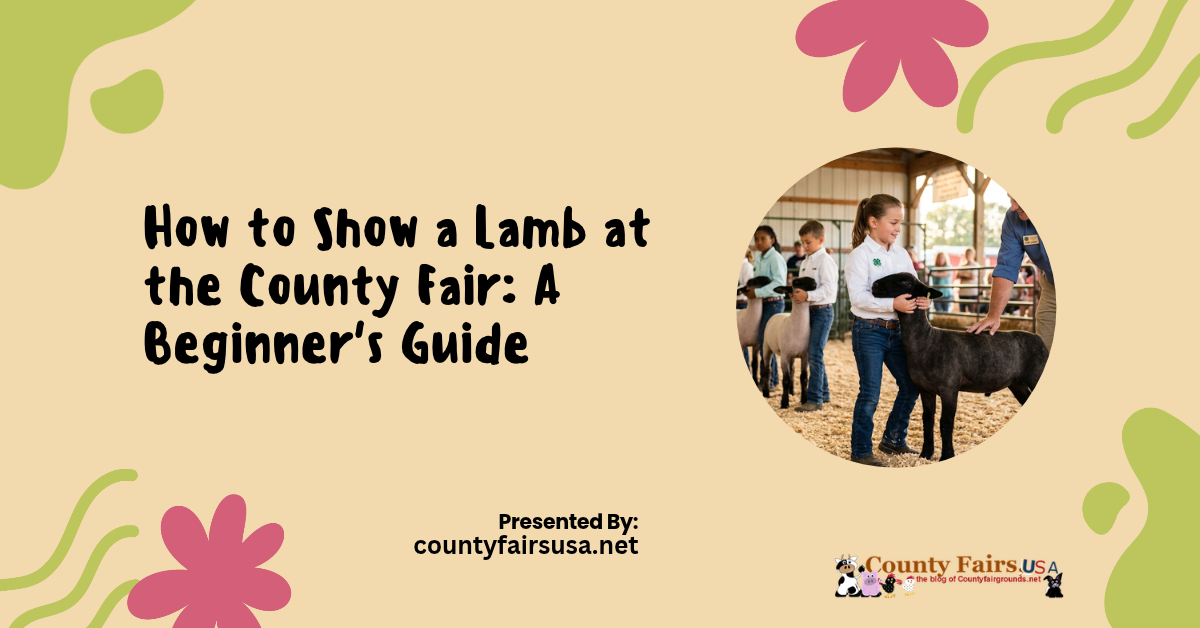
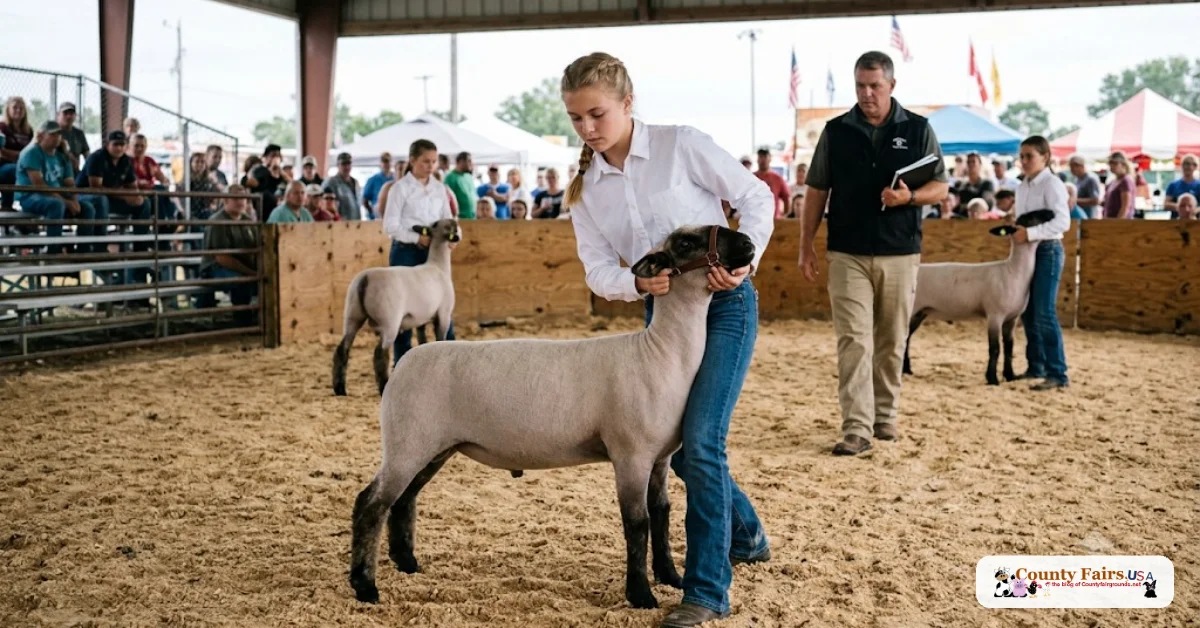
Success in the show ring depends on how well you present your animal to the official. You must keep your eyes on the evaluator at all times while monitoring the position of your lamb. When the evaluator walks down the line, make sure your animal stands square and alert. Keep the head up and the legs positioned directly under the corners of the body.
If the evaluator asks you to move, walk slowly on the left side of your lamb with your hand under the chin. Keep the animal between you and the evaluator so the official gets an unobstructed view of its side profile. When asked to stop and line up, repeat the process of setting the feet immediately. Staying calm and focused shows maturity and respect for the competition.
- Check your animal’s foot placement every time you stop moving in the ring.
- Keep the lead strap neatly coiled in your hand instead of letting it drag on the ground.
- Breathe steadily to keep your body relaxed while holding the animal in position.
- Smile and remain polite to the ring steward and the official throughout the class.
Frequently Asked Questions
How do you brace a lamb for showmanship?
You brace a lamb by placing your hands on its hip bones and pushing forward gently while lifting slightly under the chin. This action makes the lamb push back against your hands, which flexes its muscles and highlights its firmness and natural width for the evaluator.
What do judges look for in a market lamb?
Judges look for heavy muscling, structural correctness, correct finish, and overall balance. An ideal market lamb has a wide, level top, deep leg, and trim middle. The animal should walk with ease and show high yield potential for meat production at processing time.
How long does it take to train a show lamb?
Training a show lamb takes at least two to three months of consistent daily practice. It takes time to build trust, teach the animal to lead on a halter, and practice the proper techniques for setting up and bracing in the show ring.
What should you wear to show sheep?
Exhibitors should wear clean, neat clothing that reflects traditional agricultural standards. Typical attire includes a button down collared shirt, clean jeans or dress slacks, a sturdy belt, and leather boots. Avoid wearing loose jewelry or hats that obstruct your vision.
What questions do sheep judges ask exhibitors?
Sheep judges often ask about your lamb’s weight, breed, age, and feed ration. They may also ask about your daily management routine, health protocols, and the specific goals you set for your livestock project at the county fair this season.
Preparing for Fair Week Success
Fair week brings a mix of excitement, hard work, and long hours in the barns. Arrive early on intake day to set up your pens, bed the stalls deeply with clean straw, and secure your feed buckets. Make sure your lamb has a comfortable place to rest after the stressful trailer ride to the fairgrounds. Check the fair schedule so you know the exact times for weigh-ins, fitting clinics, and your specific show classes.
Keep your pen area neat and clean throughout the week to impress visitors and judges who walk through the barns. Wash and dry your lamb the day before the show so its fleece is clean and fluffy for the big event. Remember to enjoy the experience, talk to fellow exhibitors, and celebrate all the hard work you put into your project. Take the next step by learning staying cool at fairs so you and your livestock stay comfortable during hot weather.