For many rural families, the county fair is the week that matters most. Months of work in a barn or a backyard plot finally get tested in front of judges, neighbors, and buyers. At the center of that work are two youth programs that shape young farmers across the country: 4-H and FFA.
At County Fairs USA, we see these programs as the backbone of every fair we cover. This guide explains what they offer, the skills kids gain, and how a beginner can start before the next entry deadline.
What Are 4-H and FFA?
Both programs build practical agriculture and life skills, but they run differently. 4-H is community-based, tied to your local Cooperative Extension office, and open to kids as young as five. Members meet in clubs and pick projects that go well beyond animals.
FFA, once called Future Farmers of America, is school-based and runs through agriculture classes, usually starting in middle or high school. The common thread is the fair, where both groups show what they have raised, grown, or built.
Why County Fairs Matter for Young Farmers
A county fair gives a young person something rare: a real deadline with real stakes. The animal has to be ready on a set date, the records have to be complete, and the judging happens in public. That pressure teaches accountability faster than a classroom can.
Fairs also connect kids to a wider community. Across the events County Fairs USA follows, members meet buyers, veterinarians, and seasoned breeders whose advice often outlasts any ribbon.
Livestock Shows and Competitions
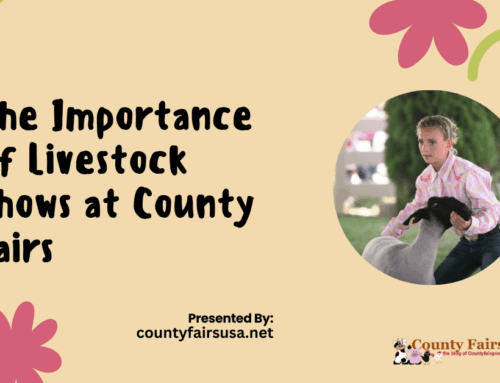
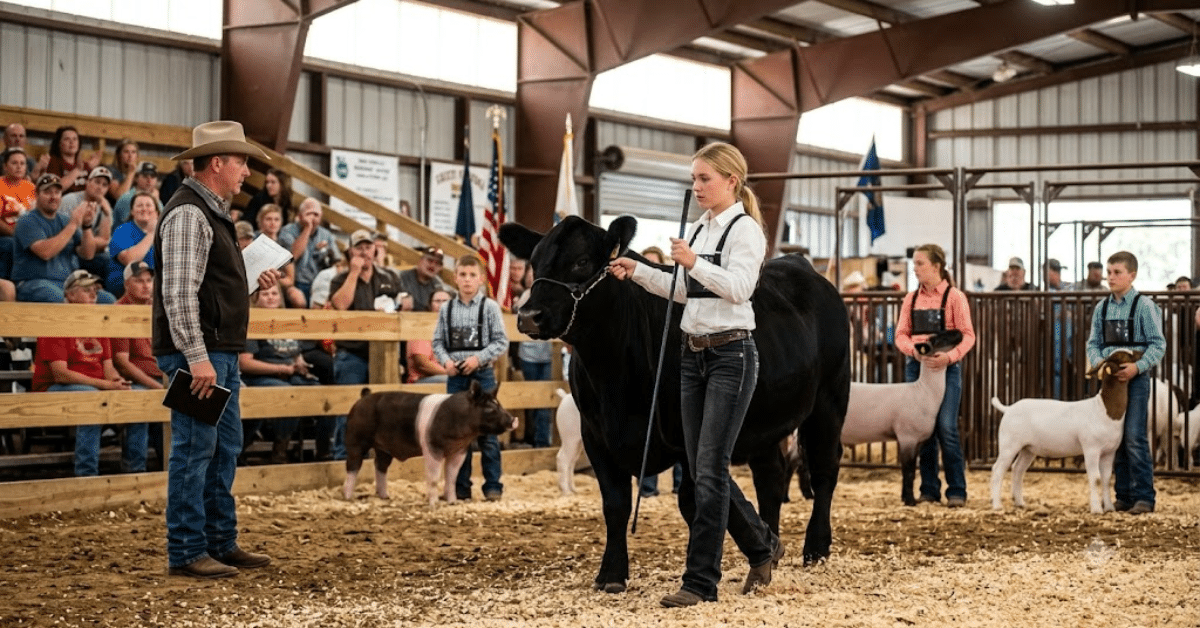
The barns are usually the heart of the fair for 4-H and FFA members. Showing an animal is the most visible and demanding part of either program, and it covers a wide range of species.
Common animals shown at county fairs include:
- Beef and dairy cattle
- Market hogs and breeding pigs
- Meat and dairy goats
- Sheep and lambs
- Poultry such as chickens, ducks, and turkeys
- Rabbits
How Judging Works
Judging splits into two main types. Market classes evaluate the animal for traits like muscle, structure, and finish. Showmanship classes judge the handler on how well they present and control the animal.
A young farmer can place low in market class but win showmanship, because that ring rewards preparation and skill over genetics. Many veterans say showmanship is where the real learning happens.
The Auction and the Money Side
Many fairs close with a livestock auction where members sell market animals to local buyers. For a lot of kids, this is the first real lesson in earning, pricing, and reinvesting what they make.
Beyond Livestock: Other Fair Opportunities
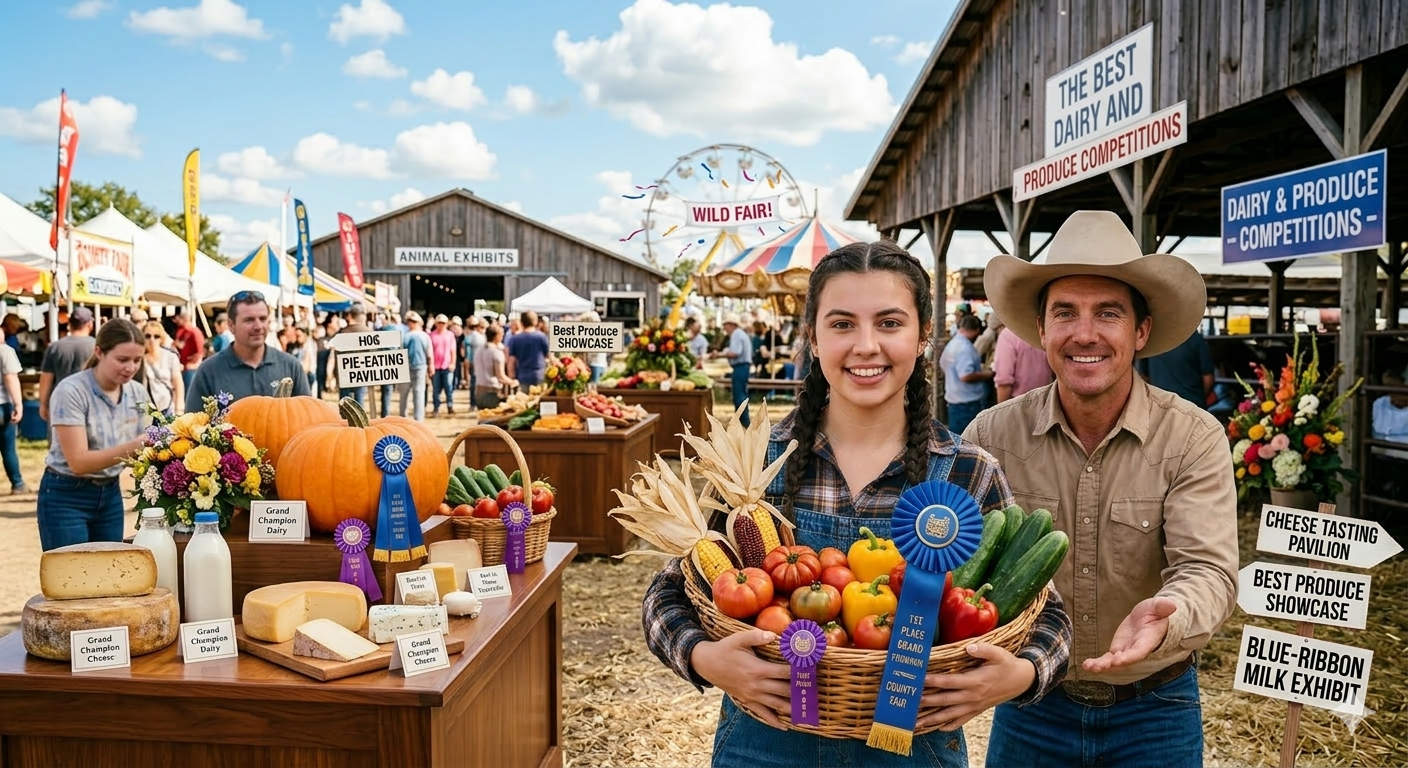
Not every young farmer raises animals, and the fair has room for much more. This is where the breadth of 4-H really shows up, and where County Fairs USA sees some of the most creative entries each season.
Other common entries include:
- Crops, hay samples, and field corn
- Garden produce and horticulture displays
- Baking, canning, and preserved foods
- Sewing, quilting, and textile arts
- STEM and robotics projects
- Photography and visual arts
Public speaking and demonstration contests round out both programs. A member might give a talk on soil health or show how to vaccinate poultry, building confidence that carries well past the fairgrounds.
Skills Young Farmers Build
The ribbons fade, but the skills stick. Parents and ag educators point to these as the real return on a year of effort, and they map directly onto future careers in agriculture and beyond.
Members typically develop:
- Daily responsibility through feeding and care routines
- Record-keeping and basic bookkeeping
- Budgeting, since feed and supplies cost real money
- Animal health and husbandry know-how
- Public speaking and interview practice
These skills show up later on college applications and job interviews. Many ag scholarships specifically ask about 4-H or FFA involvement, so the work pays off long after the fair ends.
Scholarships, Awards, and Recognition
Both programs reward members beyond the show ring. Premium money gives a small cash payout for placing in a class, while championship banners and buckles go to top exhibitors.
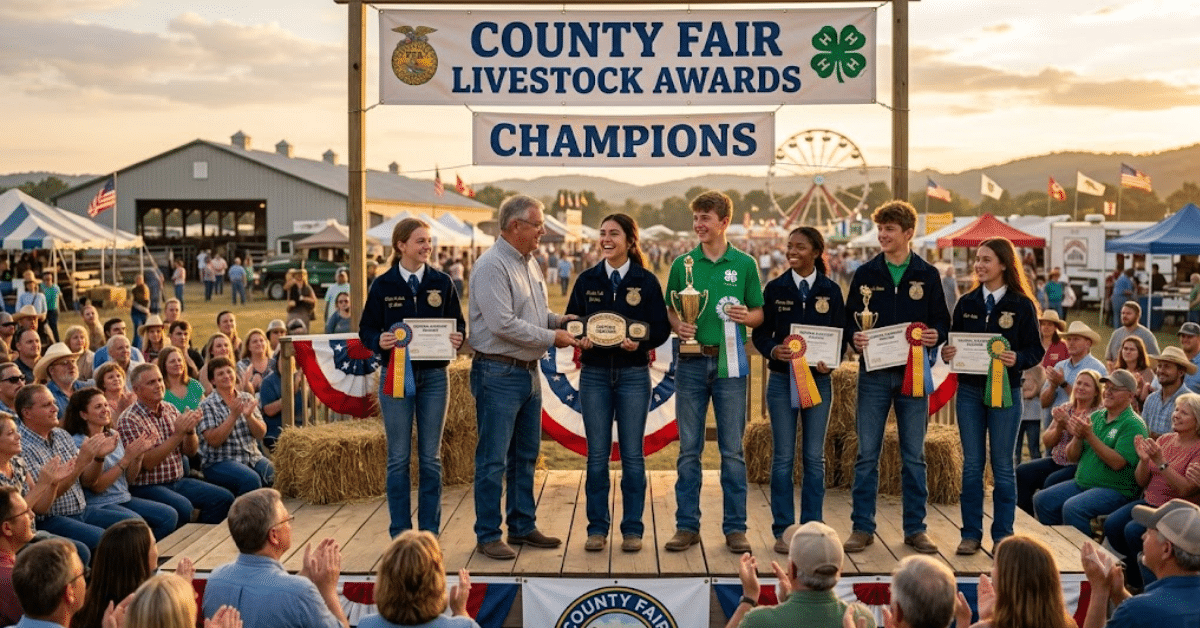
Higher honors, like the FFA American Degree or state-level 4-H awards, strengthen a college application. National and state foundations also award scholarships every year, and many local fair boards fund their own.
How to Get Started in 4-H or FFA
Joining is more approachable than most families expect. The hardest part is usually just making the first call to find a club or chapter.
To get started:
- Contact your local Cooperative Extension office for a 4-H club, or ask a school about its FFA chapter.
- Pick a project that fits your space, budget, and interest.
- Talk to the county fair board early about entry rules and classes.
- Mark the deadlines for registration, weigh-ins, and final entries.
You do not need a farm to begin. Many members raise rabbits or poultry in a backyard, or enter a garden and baking project instead of livestock.
Tips for First-Time Fair Participants
A first fair can feel overwhelming, so a little planning goes a long way. The members who prepare early almost always have a calmer week than those who scramble.
Keep these in mind:
- Start your project early so it is fully ready by fair week
- Keep clean records from day one
- Practice showing at home before the ring
- Find a mentor, like a club leader or ag teacher
- Pack a fair kit with grooming tools and paperwork
Growing the Next Generation of Farmers
County fairs do more than crown champions. They give young people a reason to care for an animal, manage a budget, and speak in front of a crowd before they ever leave home.
For rural communities, that matters. These programs pass farming knowledge from one generation to the next, and they keep the fairs that County Fairs USA covers alive with new exhibitors every season. For any young farmer ready to begin, the next fair is the best place to start.