To book entertainers for a county fair on a small budget, prioritize self-contained strolling acts, local talent, and regional routing deals over expensive touring headliners. Understanding how fairs are organized helps your fair board stretch limited dollars across multi-day schedules, maximize local sponsorships, and lock in reliable contracts without sacrificing crowd appeal.
In this article: Key Takeaways, Set a Realistic Fair Entertainment Budget, Compare Budget-Friendly Fair Entertainment Formats, Step-by-Step Process to Book Entertainers for a County Fair, Seven Proven Ways to Stretch Your Entertainment Dollars, What to Check Before Signing a Performance Contract, Frequently Asked Questions, Start Building Your Fair Lineup Early
Key Takeaways
- Budget Allocation: Dedicate most of your funds to high-value grounds acts and regional talent rather than blowing the entire budget on one single grandstand concert.
- Self-Contained Acts: Hire performers who bring their own portable sound systems, props, and staging to eliminate expensive third-party production rentals.
- Routing Discounts: Book touring variety artists who are already passing through your state to split travel expenses with neighboring fairs.
- Local Partnerships: Offset performer fees by selling stage naming rights to local businesses and partnering with community dance studios or music schools.
- Written Protection: Require a clear performance contract and proof of liability insurance from every performer, even unpaid local community groups.
Set a Realistic Fair Entertainment Budget
Every fair board faces tough financial choices when planning the annual summer calendar. Before you contact a single performer or agency, you need a clear picture of your total entertainment budget. Understanding county fair operating costs ensures that talent fees do not eat into essential funds for security, sanitation, or livestock premiums.
Small and mid-sized fairs typically spend anywhere from a few thousand dollars to tens of thousands of dollars on entertainment, though exact figures vary widely by region and fair duration. A common mistake is spending eighty percent of that pool on one Friday night concert. When one act takes nearly all your money, the rest of the week feels empty for families who buy multi-day passes.
Instead, divide your available cash into three distinct buckets:
- Grounds and Strolling Entertainment: Allocate forty to fifty percent of your funds here. These performers work throughout the day and keep fairgoers near food vendors and commercial booths.
- Free Stage Variety Shows: Set aside thirty to forty percent for magic, comedy, hypnosis, or animal shows that run two or three times daily.
- Grandstand or Evening Headliners: Use the remaining ten to twenty percent for local battle-of-the-bands nights, regional tribute acts, or motor sports that generate separate ticket sales.
Remember that an artist’s flat fee is rarely the final price tag. You must also account for hotel rooms, fuel stipends, meal buyouts, and stagehand labor. Always keep a ten percent reserve fund in your budget to cover unexpected audio rentals or weather delays.
Compare Budget-Friendly Fair Entertainment Formats
Choosing the right mix of performers determines how long visitors stay on the fairgrounds. Longer stays directly boost food concession sales and carnival ride revenue. Different formats require vastly different levels of infrastructure and financial investment.
| Entertainment Format | Typical Fee Range (Varies by Region) | Stage & Sound Needs | Best Fairground Placement | Crowd Engagement Style |
|---|---|---|---|---|
| Strolling Acts | $500 to $1,500 per day | None (portable battery speakers) | Midway entrances, walkways, food courts | Up-close, interactive, photo-friendly |
| Free Stage Variety Acts | $1,000 to $3,500 per day | Small platform, basic PA system | Shaded tent or central courtyard | Scheduled 30-minute family shows |
| Local Bands & Community Groups | $0 to $1,000 per set | Shared community stage and basic mics | Beer garden, gazebo, or pavilion | Casual background music and local pride |
| Regional Tribute Bands | $2,500 to $7,500 per show | Full concert stage, lighting, sound tech | Main grandstand or evening lawn | High-energy singalongs and nostalgia |
| National Touring Headliners | $15,000 to $100,000+ per show | Heavy rigging, professional crew, security | Ticketed grandstand arena | Major evening draw requiring ticket sales |
Strolling Acts and Atmosphere Performers
Strolling acts offer the highest return on investment for a tight budget. Because they walk directly through the crowd, they do not need an expensive stage, lighting rig, or dedicated seating area. Performers like stilt walker Lilli Erickson tower above the crowd, draw instant attention, and create memorable photo opportunities that families share on social media.
Most roaming entertainers perform three or four 30-minute sets per day. They naturally gather small crowds in dead zones on your fairgrounds, helping drive foot traffic toward quiet vendor rows.
Self-Contained Variety Shows
Variety artists bring big-stage energy without big-stage headaches. Comedy jugglers, escape artists, and hypnotists rely on audience participation, which makes every show feel unique to your town. For example, reading about juggler Dale Jones shows how one skilled physical comedian can hold an entire tent spellbound with minimal setup.
Look for self-contained acts that travel with their own backdrops, wireless microphones, and compact sound systems. When an entertainer handles their own audio, your fair saves hundreds of dollars on daily sound engineer fees.
Interactive Hypnosis and Magic
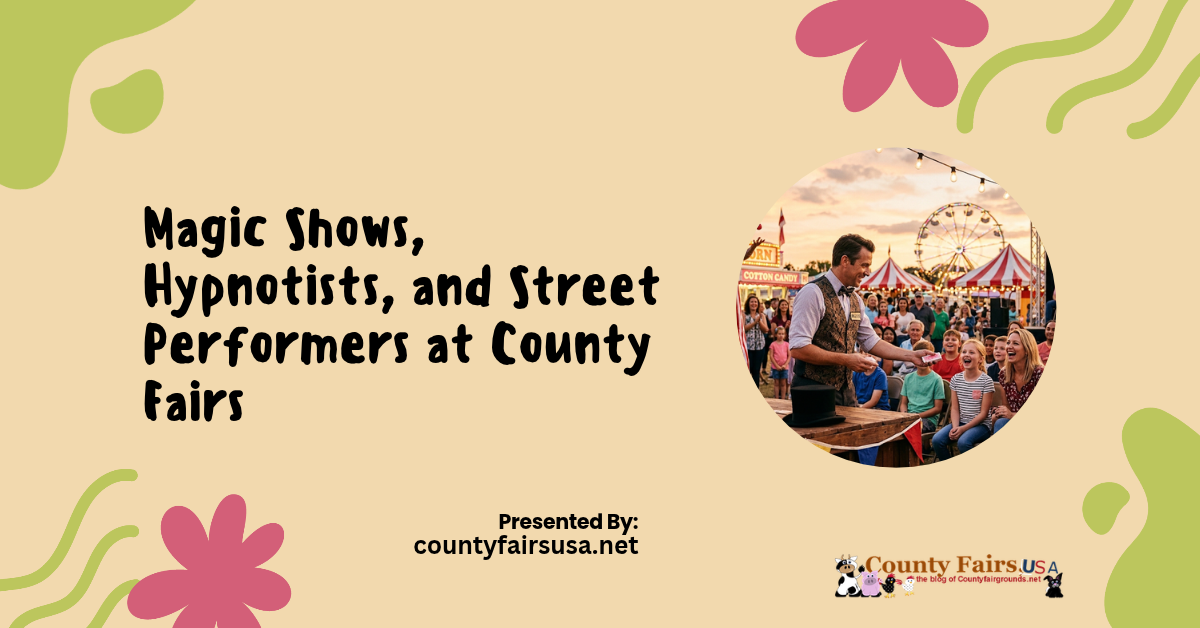
Stage hypnotists and illusionists consistently rank among the most popular county fair entertainment options. These shows appeal to teenagers, parents, and grandparents at the exact same time. Insights from hypnotist Michael Mezmer highlight how strong audience rapport turns regular fairgoers into the stars of the show.
Because variety performers usually do multiple shows each day, your cost per viewer drops dramatically. A single $2,000 daily fee spread across three well-attended shows costs less than $700 per performance.
Step-by-Step Process to Book Entertainers for a County Fair
Securing great talent does not require a massive staff, but it does require an organized timeline. Following a clear sequence prevents last-minute panic and keeps negotiations in your favor.
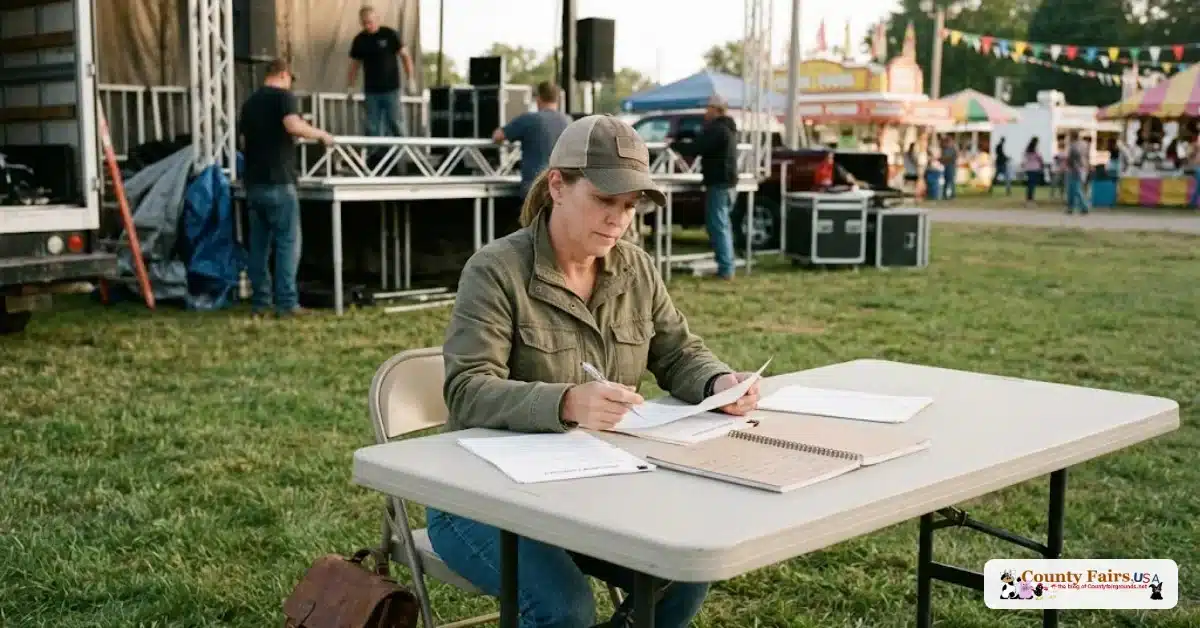
- Audit your existing gear and spaces. Walk your fairgrounds and list every available electrical hookup, shaded area, and flat surface. Knowing your exact power limits prevents you from booking an act you cannot safely host.
- Lock in your fair dates and daily hours. Confirm when your gates open, when livestock shows end, and when the carnival midway peaks. You want entertainers performing during natural lulls in the agricultural schedule.
- Research fair-specific performers. Browse state fair association directories, watch full live performance videos, and check trade groups like the International Entertainment Buyers Association to see how professional talent buyer networks operate.
- Request all-inclusive routing quotes. Contact five to ten performers and ask for their “all-in” fair price, which includes travel, lodging, and equipment. Mention your exact dates so agents can check if the act is already booked nearby.
- Check references from other fair boards. Call entertainment chairs at other county fairs in your state. Ask if the performer arrived on time, kept their material family-friendly, and stayed easy to work with backstage.
- Issue contracts and collect deposits. Once your board approves the lineup, send out agreements promptly. Most professional acts require a twenty-five to fifty percent deposit to hold your dates on their calendar.
- Assign a dedicated stage manager. Designate one volunteer or board member to greet performers at the gate, show them where to park, and handle final balance checks right after their last set.
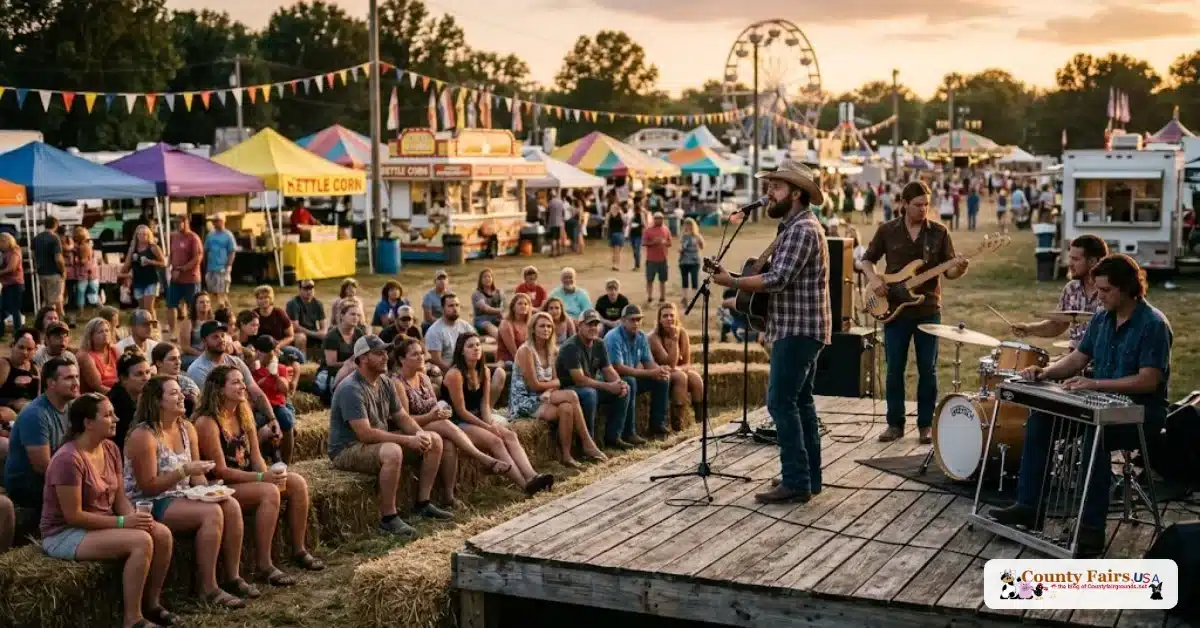
Seven Proven Ways to Stretch Your Entertainment Dollars
Even the smallest rural fair can deliver a packed daily schedule by thinking creatively. Use these practical strategies to lower your out-of-pocket spending while keeping your fairgrounds lively.
- Book multi-day block deals. Ask performers for a discounted daily rate if you hire them for three or four consecutive days instead of a single afternoon.
- Partner with neighboring fairs. Coordinate schedules with county fairs located within a two-hour drive. When two fairs book the same artist on back-to-back weekends, you can split the performer’s cross-country travel expenses.
- Sell stage and attraction sponsorships. Approach local banks, tractor dealerships, and grocery stores to sponsor a specific stage or strolling act. A $1,500 sponsorship in exchange for banner placement and stage announcements can pay for an entire weekend of variety shows.
- Leverage local talent contests. Host a county-wide talent show, karaoke competition, or youth fiddle contest. Local contestants bring dozens of paying family members through your front gate, and prize money costs far less than a touring band.
- Trade fair perks for lower fees. Offer performers free RV hookups on the fairgrounds, complimentary meal vouchers from your food vendors, and extra admission passes. Saving an artist $150 a night on hotel bills often convinces them to lower their guarantee.
- Book weekday entertainment strategically. Performer rates are often lower from Monday through Wednesday than on prime Friday and Saturday nights. Schedule your traveling variety acts mid-week and rely on local groups or rodeo events for the weekend.
- Review standard musician pay rates. Check musician wage benchmarks before negotiating with local bands so you offer fair, realistic compensation that respects working artists while protecting your budget.
What to Check Before Signing a Performance Contract
A handshake deal can quickly turn into a costly misunderstanding when summer weather hits or travel plans fall apart. Every single act on your schedule needs a written performance contract before they step onto your property. Review these essential items carefully before you sign or send deposit money:
- Exact show times and set lengths: Specify the exact number of daily shows, how long each set lasts, and how much break time the performer needs between appearances.
- Weather and cancellation clauses: Clarify whether you still owe the full fee if lightning, extreme heat, or heavy rain forces you to cancel an outdoor show.
- Content and family-friendly standards: Include a clear clause stating that all language, jokes, and lyrics must remain suitable for an all-ages family audience.
- Technical and hospitality riders: Strike out expensive backstage demands like specific brand-name catering or luxury hotel suites that do not fit a county fair setting.
- Proof of liability insurance: Require traveling acts, especially animal shows, stunts, or mechanical attractions, to provide a Certificate of Insurance naming your fair board as additionally insured.
- Merchandise sales rules: Decide ahead of time if the performer can sell t-shirts, CDs, or magic kits after their show, and whether the fair takes a percentage of those sales.
Frequently Asked Questions
How much does it cost to book entertainers for a county fair?
Booking fair entertainers typically costs between $500 and $3,500 per day for strolling acts and variety shows, while regional bands range from $2,500 to $7,500. Exact prices vary by region, fair dates, and travel distance. Major national grandstand acts require much larger budgets starting at $15,000 and climbing past $100,000.
How far ahead should a fair book entertainment?
Small and mid-sized fairs should book traveling variety shows and regional bands six to twelve months in advance. Most fair boards finalize their summer contracts during fall or winter state fair conventions. Local bands and community dance groups can usually be scheduled two to four months before opening day.
Do county fairs pay local bands?
Yes, most county fairs pay local bands a modest fee ranging from $200 to $1,000 per set, depending on band size and equipment needs. Some fairs offer unpaid exposure slots on community stages for youth groups, while reserving cash budgets for established local bands that draw evening crowds to beer gardens or pavilions.
What is the cheapest fair entertainment that still draws a crowd?
Local talent shows, pie-eating contests, and strolling acts deliver the highest crowd engagement for the lowest cost. Community contests rely on local pride and cost only small trophy or cash prizes. Roaming performers like jugglers and stilt walkers require zero stage infrastructure while entertaining thousands of guests along busy walkways.
Do fair performers need a contract and insurance?
Yes, every paid and unpaid performer needs a written performance contract and proof of general liability insurance. A contract locks in show times, payment terms, and weather cancellation rules. Insurance protects your fair board and county government from financial liability if an accident occurs during a set or setup.
Start Building Your Fair Lineup Early
Pull out your fairground map today, list every available electrical hookup and shaded performance spot, and contact three regional variety acts for routing quotes before fall convention season ends.