Role of County Fairs in Promoting Tourism & Local Economies
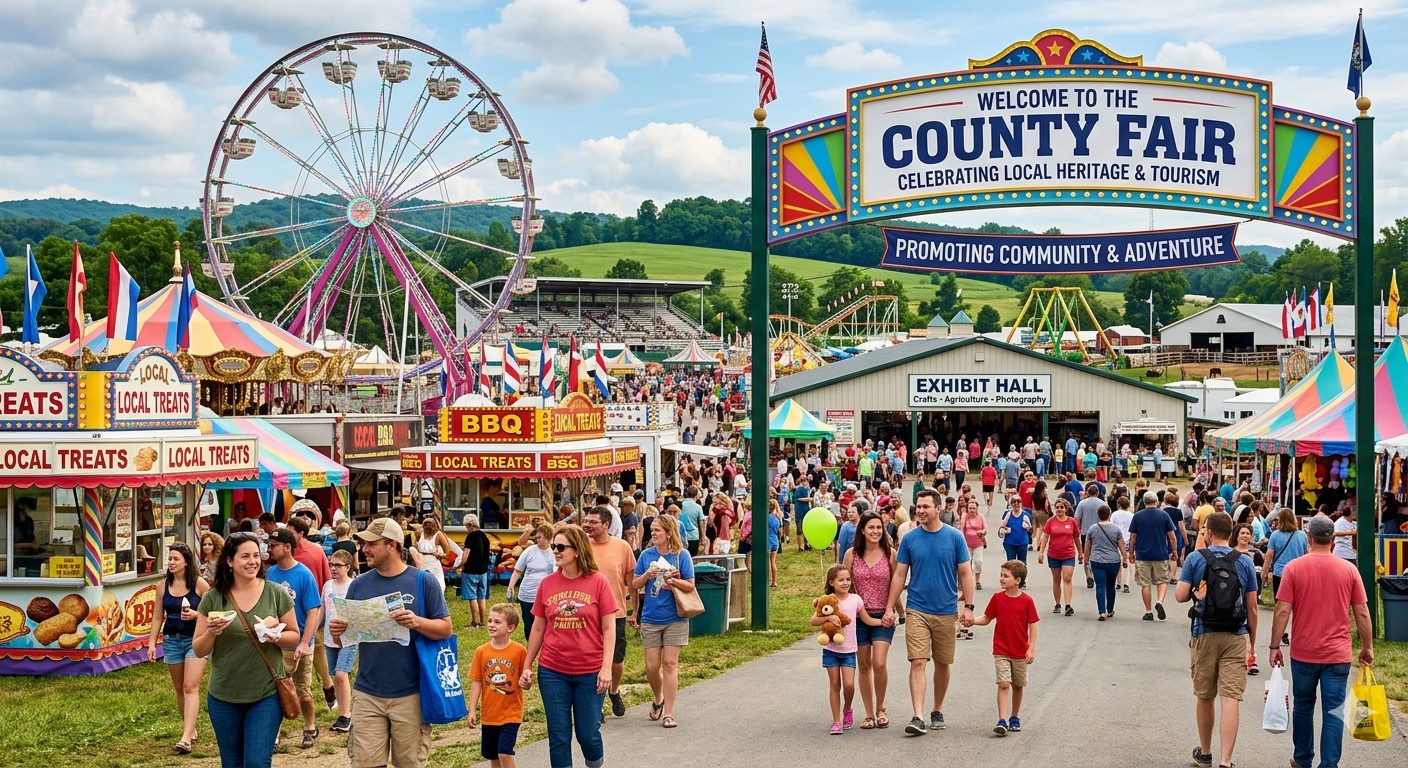
County fairs are one of America’s oldest and most honest forms of tourism. No manufactured resort experience, no corporate theme park. Just local food, real livestock, live music, carnival rides, and the kind of community pride that is impossible to fake. At CountyFairsUSA.net, we have been covering county and state fairs across the country since 1999, and what we have seen over those 25+ years is clear: these events are serious tourism drivers that deserve far more credit than they get.
The Numbers Tell the Real Story
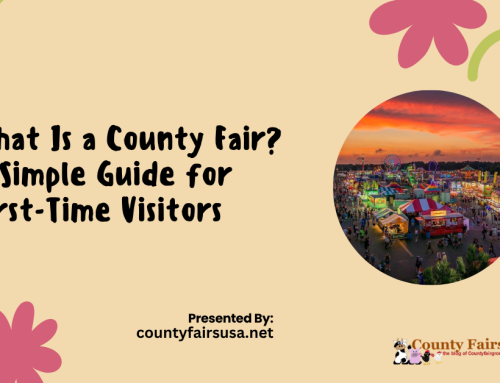
Most people think of a county fair as a local summer tradition. The data says otherwise. According to a 2025 IAFE Economic Impact Study based on 2024 data, fairs and fairgrounds across the United States generated $51.9 billion in economic impact, attracted 219.8 million visitors, and supported 393,000 ongoing jobs. Travel And Tour World That is not a local event. That is a national tourism industry.
In 2024 alone, fairs generated 2.8 million hotel room nights across the country, demonstrating their direct and measurable impact on the hospitality sector. Travel And Tour World These are travelers booking rooms, filling diners, stopping at gas stations, and spending money in communities that depend on that seasonal influx.
Why People Travel Specifically for County Fairs
A growing number of American families build road trips and vacations around fair dates. It is not accidental tourism. It is intentional, planned travel motivated by experiences they cannot replicate anywhere else.
Research from the University of Minnesota Extension found that in Beltrami County, fairgoers came from 42 states, four Native American communities, and Canada. In Pine County, nearly half of all attendees were outside visitors, not locals. UMN Extension The draw comes from a combination of things you can only find at a county fair:
- Fresh-squeezed lemonade, corn dogs, funnel cake, and regional foods that cannot be replicated at home
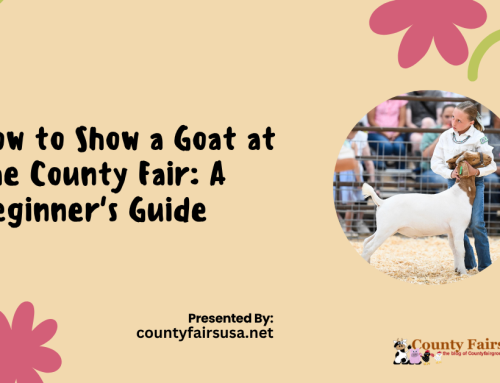
- Livestock competitions showcasing cattle, hogs, sheep, and poultry from local farms
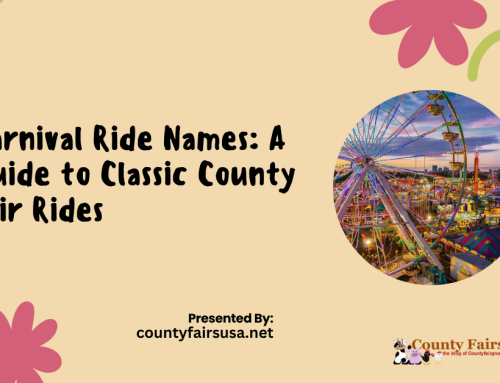
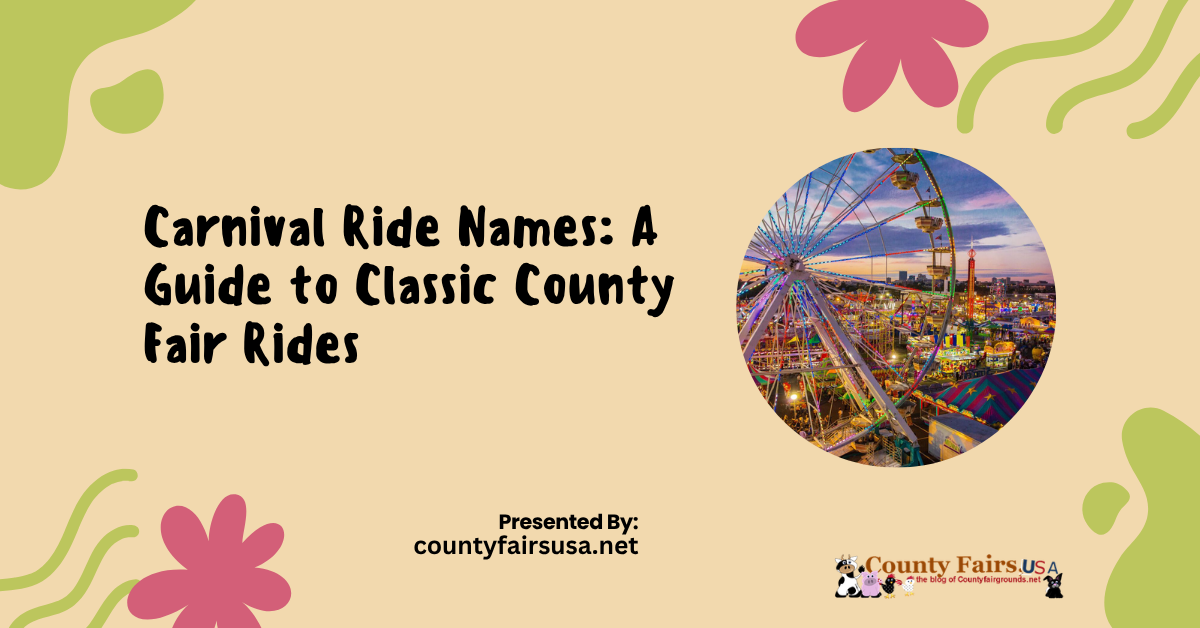
- Live country music, rodeo events, and carnival midways that create a full-day experience
- 4-H and FFA exhibits where young people display months of hard work
- BBQ competitions and pie contests that reflect genuine regional food culture
For visitors from urban and suburban areas, these experiences feel rare and authentic. That authenticity is exactly what drives people to get in the car and drive three or four hours for a weekend at the fair.
The Economic Ripple Effect on Local Communities
When a county fair draws out-of-town visitors, the spending does not stay at the fairgrounds. It spreads across the entire local economy. Hotels fill up. Restaurants turn tables faster. Small businesses along the main highway see foot traffic they only see once a year.
Each county studied by the University of Minnesota Extension generated around $1 million in fair-related spending, with every dollar invested returning $4.43 in economic activity. UMN Extension For rural communities with limited year-round tourism infrastructure, that kind of concentrated spending during fair week can represent a significant portion of annual local revenue.
The businesses that benefit most include:
- Local motels and bed-and-breakfasts that fill to capacity during fair week
- Restaurants and food trucks outside the fairgrounds that see overflow crowds
- Gas stations and convenience stores along routes leading into the fairgrounds
- Grocery stores and farm stands that supply both vendors and visiting families
- Local artisans and craft sellers who gain exposure to thousands of new potential customers
Illinois county fairs alone generated an estimated $170 million in spending in a single year Jobscareerhunters, a figure that underscores just how much economic weight these events carry at the state level.
County Fairs as Cultural Tourism Destinations
Tourism is not only about where people sleep and what they eat. It is also about what they experience and what they take home with them. County fairs are one of the most authentic forms of cultural tourism in the United States.
Some of the most well-known county fairs, including the Iowa State Fair and the Los Angeles County Fair, have been running for more than a century, and their long-standing presence reflects their role in preserving regional traditions and creating a genuine sense of belonging for attendees. Countyfairsusa When visitors from out of state attend a county fair in rural Texas or western Colorado, they are experiencing something rooted in that specific community’s history. That kind of cultural immersion is what modern travelers are increasingly seeking out.
Fairgrounds as Year-Round Tourism Infrastructure
One of the most overlooked aspects of county fair tourism is what happens after the fair ends. A well-maintained fairground does not sit empty for eleven months. It becomes a year-round event venue that keeps tourism flowing across multiple seasons.
At CountyFairsUSA.net, we cover county and state fairs, but also rodeos, festivals, BBQ competitions, and concerts. Our sister sites, Halloween Events USA and Christmas USA Holiday, cover the same fairgrounds and event spaces through fall and winter. The influence of a county fair extends far beyond the days the fair actually runs Fairpublishing, and the physical fairground itself often anchors a community’s tourism identity throughout the entire calendar year.
Year-round fairground activities that continue driving tourism include:
- Fall harvest festivals and pumpkin events in September and October
- Halloween attractions, haunted walks, and costume contests through October
- Christmas markets, tree lighting ceremonies, and holiday festivals in November and December
- PRCA rodeos and livestock shows scheduled outside of fair season
- Outdoor concerts, swap meets, and community fundraisers throughout spring and summer
How Travelers Discover County Fairs Today
The internet changed fair tourism in a fundamental way. Travelers no longer stumble across a local fair by chance. They search for it, plan around it, and in many cases make it the anchor event of a longer trip.
Online fair directories play a direct role in that discovery process. CountyFairsUSA.net has been connecting travelers with county and state fair listings since 1999, covering events from Arizona and Texas to Washington State and the Carolinas. When a family in Chicago searches for fairs within driving distance, or a couple in California is mapping out a summer road trip, having a reliable, well-organized resource makes a real difference in where they end up spending their travel dollars.
The county fair tradition is woven into the fabric of nearly every American community. MSU Extension That kind of deep-rooted tradition, combined with modern tools for discovery and trip planning, is what keeps these events growing as genuine tourism destinations year after year. For the communities that host them, getting that right is not just a matter of local pride. It is good economics.