Weirdest and Most Beloved County Fair Mascots in America
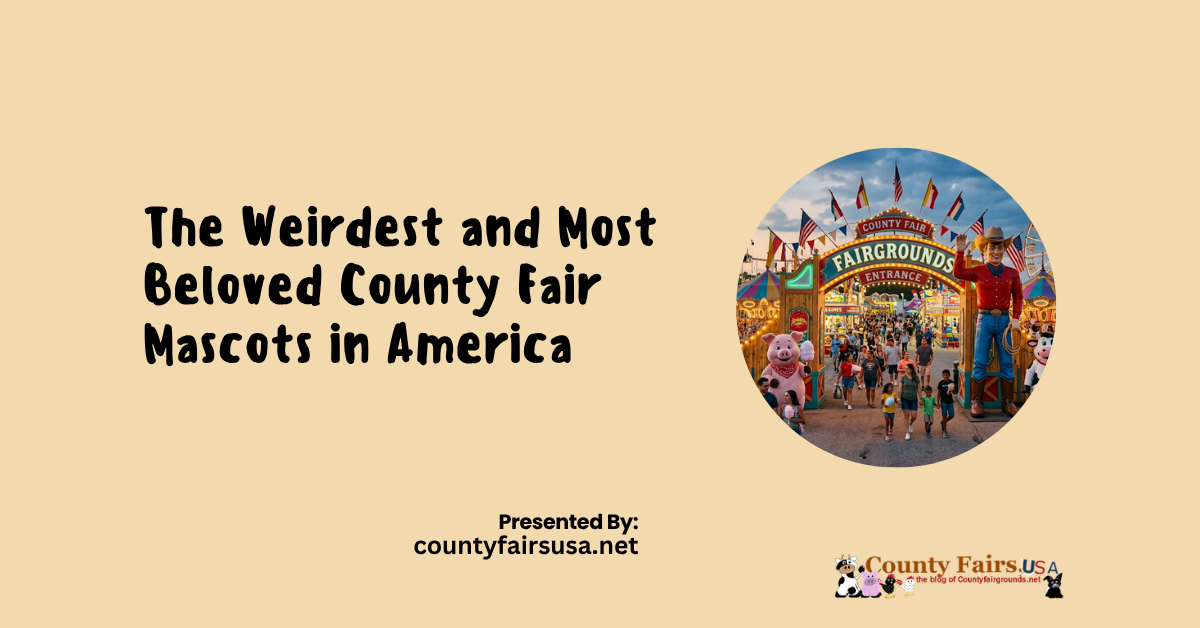
Every county fair has that one character. A giant cowboy waving at the gate. A cow sculpted entirely from butter. A cartoon gopher in a striped vest signing autographs near the corn dog stand.
Fair mascots are part marketing tool, part inside joke, and part hometown pride wrapped in a fuzzy costume. Some are world-famous, others only make sense if you grew up two counties over.
Why County Fairs Have Mascots in the First Place
Mascots started as simple branding back in the early 1900s. Today they pull double duty as photo magnets, social media stars, and walking goodwill ambassadors for fair boards.
Here’s what a good mascot actually does:
- Pulls in families looking for photo opportunities
- Carries decades of generational nostalgia
- Doubles as a merchandise machine for plush toys and pins
- Anchors the fair’s social media presence
- Represents local agricultural identity in a friendly way
Big Tex: The 55-Foot Cowboy of the State Fair of Texas
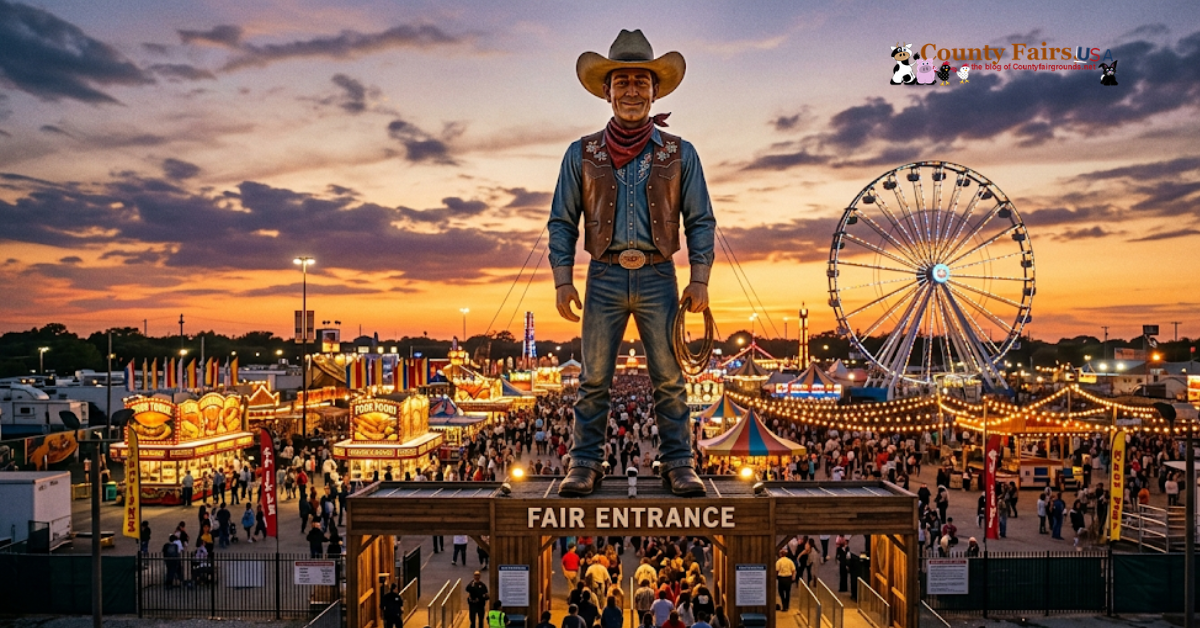
Big Tex is the granddaddy of every fair mascot in America. The 55-foot cowboy has greeted visitors at the State Fair of Texas with a slow “Howdy folks!” since 1952. He started life as a Santa Claus figure in Kerens, Texas, before being sold to fair officials for $750 and rebuilt as a cowboy.
Then came October 19, 2012. An electrical short in Big Tex’s right boot sparked a fire that consumed him in minutes, with only his hands and metal frame left behind.
Quick facts about Big Tex:
- Stands 55 feet tall with size 96 boots
- Wears a 75-gallon hat and a 50-pound belt buckle
- Has greeted fairgoers every year since 1952 except 2020
- Gets a brand new shirt and jeans every season
- The rebuilt version is engineered to withstand a hurricane
The Iowa State Fair Butter Cow: Edible Mascot Royalty
The Butter Cow is the strangest beloved mascot in America. It’s not a costume or a statue. It’s a life-sized dairy cow sculpted from roughly 600 pounds of pure butter, kept behind glass in a refrigerated case at 40 degrees Fahrenheit.
The tradition started in 1911 and has continued almost every year since. Each fair gets a companion butter sculpture too, ranging from Star Wars characters to Harry Potter scenes.
Fairchild and Fairborne: Minnesota’s Gophers in Straw Hats
The Minnesota State Fair has two gopher mascots, and yes, they get mistaken for squirrels constantly. Fairchild has been around since 1966, when Gladys Anderson Brown won a statewide naming contest with the name.
Fairchild dresses like a carnival barker in blue and white stripes. His nephew Fairborne joined him in 1986 wearing the same outfit in green and white.
Where you’ll find them:
- Visitor Plaza for daily photo sessions
- Opening day parades
- All over the official merchandise
- Plastered across Minnesota State Fair social media
SeeMore: North Carolina’s Bug-Eyed Mascot for the Smartphone Age
The North Carolina State Fair introduced SeeMore in the 2000s, a quirky green character with oversized eyes designed for the photo-op era. Unlike Big Tex or the Butter Cow, SeeMore was built from the start to be photographed, hugged, and shared online.
He shows up at school visits and community events year-round, not just during the fair. It’s a different model than the older mascots who tend to stay put on the fairgrounds.
The Weird and Wonderful Lesser-Known Mascots
Outside the big state fairs, smaller county fairs across America have produced some genuinely strange mascots over the years. These are the homegrown characters that locals adore and outsiders find baffling.
A small sampling worth knowing about:
- Banana Derby capuchins, the Georgia State Fair favorite where costumed monkeys race on the backs of dogs
- Llama costume contest winners at the Minnesota State Fair, where 4-H entrants dress llamas in elaborate outfits
- Pet Rock Olympics mascots at the Colorado State Fair, complete with painted rock contestants
- Giant cabbage trophies at the Alaska State Fair, where the heaviest cabbage (138 pounds and counting) becomes the unofficial mascot
- Costumed moose characters at various Northeast county fairs, built by volunteer crews
The Georgia banana derby alone has been a tradition for decades and still pulls standing-room-only crowds.
Mascots That Got Retired or Rebranded
Not every fair mascot has aged gracefully. Several county and state fairs have quietly retired old characters in the past 20 years because the designs felt outdated or culturally tone-deaf.
The shift toward inclusive branding pushed many fair boards to redesign or replace older mascots with friendlier characters. Most fairs that updated their mascots saw better merchandise sales and social media engagement afterward.
How Mascots Affect Fair Attendance and Merchandise
A good mascot is a serious revenue driver. Plush toys, t-shirts, keychains, and pins built around mascot characters fund a meaningful chunk of operating costs at many fairs.
What mascots typically deliver for a fair:
- Higher merchandise sales during gate week
- Stronger social media engagement in the off-season
- More family photo opportunities that drive repeat visits
- A built-in marketing face for sponsors and partners
As Countyfairgrounds has covered for years, fairs with strong mascot identities tend to retain visitors across generations.
How to Spot These Mascots at the Fair
If you’re planning a trip, mascots have predictable schedules. Most fair websites publish them weeks in advance.
Where to look:
- Visitor plazas during opening hours
- Parade routes on opening day and weekends
- Designated photo zones near the main entrance
- Merchandise booths where they pose with shoppers
- Award ceremonies and 4-H showcases
The Faces Behind the Funnel Cake
Mascots are stitched into the memory of every kid who ever rode a Ferris wheel or won a stuffed animal at the ring toss. They’re weird, lovable, sometimes ridiculous, and always part of why people keep coming back.
Big Tex outlived a fire. The Butter Cow has survived more than a century in a refrigerated case. Fairchild and Fairborne have been waving at Minnesotans for over half a century. As long as county fairs exist, these strange and beloved characters will keep showing up to greet the next generation at the gate.