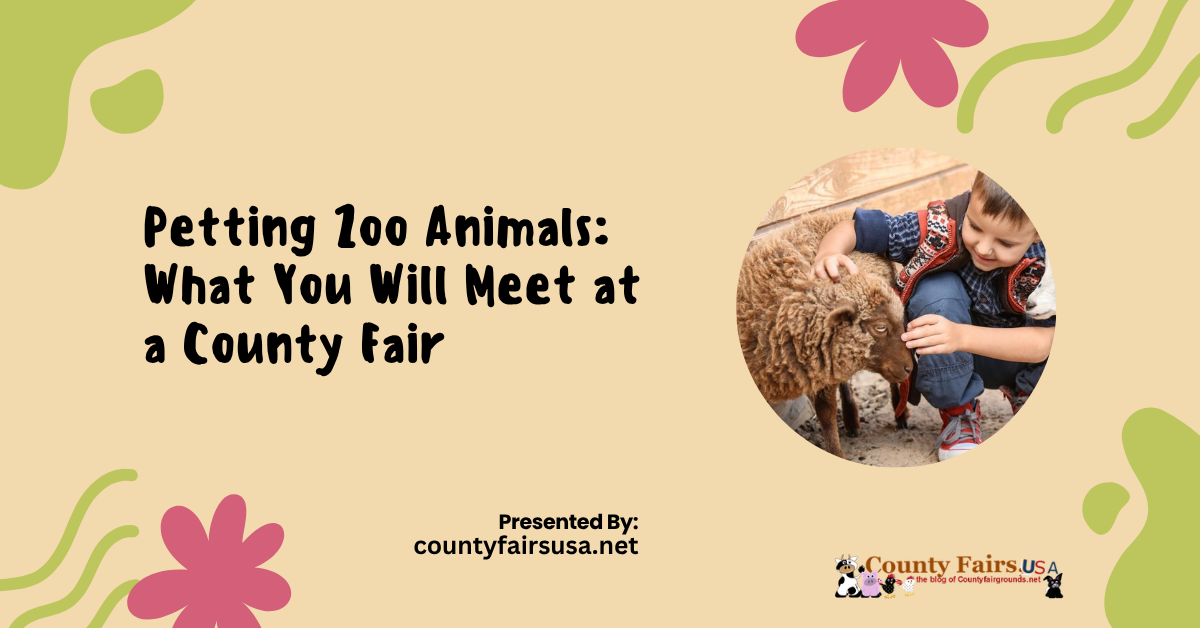
For many families, the petting zoo is the first stop at the fair. Kids get to feed a hungry goat, touch soft wool, and see farm animals up close, often for the very first time. It is one of the simplest and happiest parts of fair day. If you are planning a trip with little ones, our county fair with kids planning guide helps you build the whole day around their age.
This guide covers the petting zoo animals you are most likely to see, what each one is like to meet, how feeding works, and the safety steps every family should follow.
What Is a Petting Zoo at a County Fair?
A petting zoo is a fenced area where visitors can walk in, touch, and sometimes feed gentle animals. At a county fair, it is often run by a local farm, a traveling animal business, or the fair itself. Some petting zoos are small pens with a few goats and rabbits. Others are large tents with dozens of animals, staff on hand, and food cups for sale.
Petting zoos are different from the livestock barns. The barns hold animals that are being shown and judged, usually by 4-H and FFA members. You can look and ask questions there, but you usually should not touch without permission. Petting zoo animals are chosen because they are calm and used to people. Learn more about the barn side of the fair in our post on why livestock shows matter at county fairs.
Common Petting Zoo Animals You Will See
Most county fair petting zoos stick to friendly farm animals. Here is a quick look at the usual crowd.
| Animal | What They Are Like | Can You Feed Them? |
|---|---|---|
| Goats | Curious, bold, and always hungry | Yes, with pellets from staff |
| Sheep and lambs | Gentle and a little shy | Yes, from a flat hand |
| Rabbits | Soft, quiet, easy to startle | Usually no, petting only |
| Chickens and ducks | Busy and noisy | Sometimes, with grain |
| Piglets | Playful and fast | Rarely |
| Calves | Big eyes, calm, and gentle | Sometimes, with a bottle |
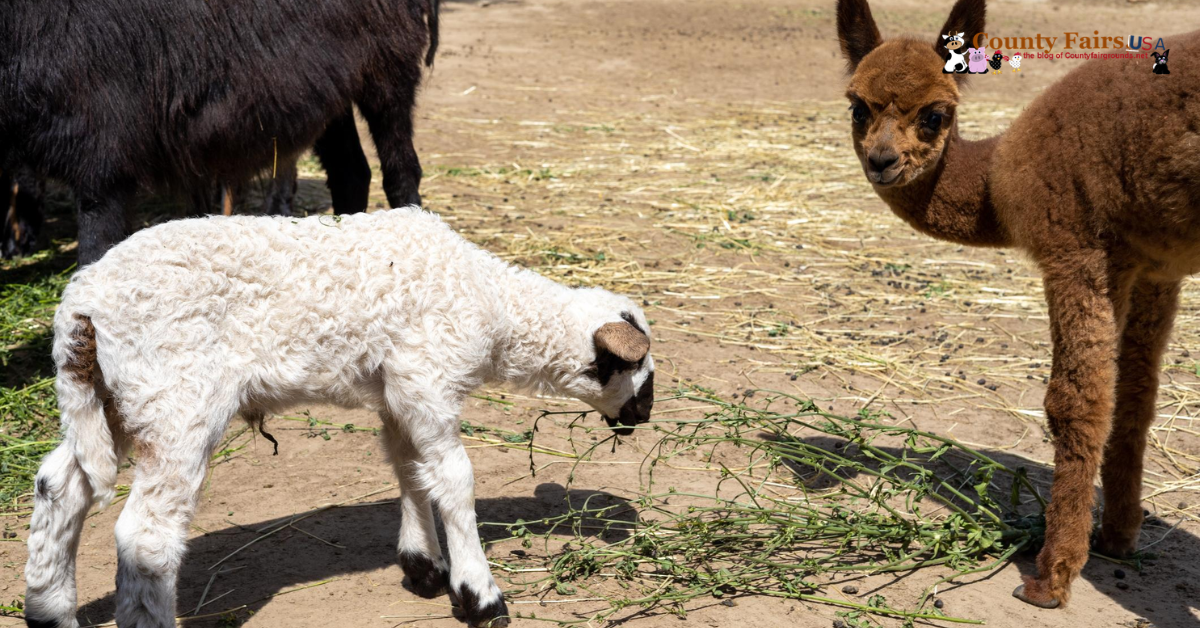
| Alpacas and llamas | Calm, fluffy, and watchful | Yes, with pellets |
| Miniature horses and donkeys | Friendly and patient | Ask staff first |
| Tortoises | Slow and steady | No, look and gently touch |
Goats
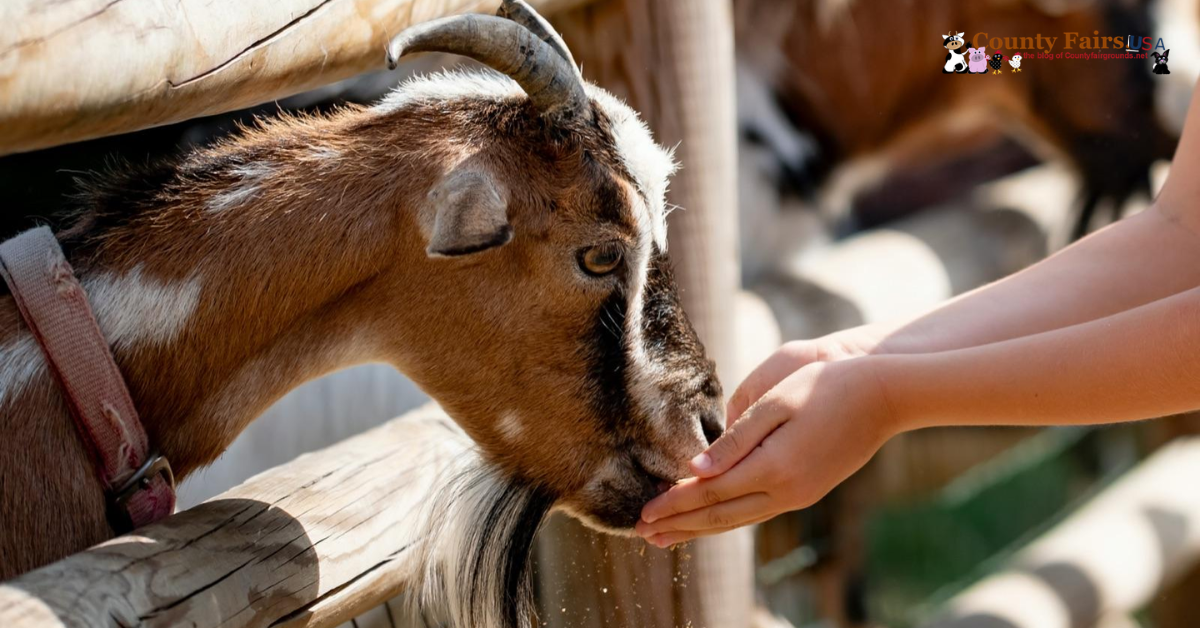
Goats are the stars of almost every petting zoo. Pygmy goats and Nigerian Dwarf goats are the most common because they are small and friendly. Goats will happily climb, nibble on clothing, and follow anyone holding a feed cup. Hold cups low and keep loose items like paper maps out of reach, since goats will try to eat them.
Sheep and Lambs
Sheep are calmer than goats and often stand back until they feel safe. Kids love feeling the thick wool. Lambs in spring and early summer are a big draw and are usually very gentle.
Rabbits
Rabbits are often kept in a separate pen or held by staff. They are fragile, so most petting zoos ask children to sit down and pet them gently on the back rather than picking them up.
Chickens and Ducks
Birds bring a lot of fun and noise. Silkie chickens, with their fluffy feathers, are a favorite. Note that health experts advise extra caution with young kids around live poultry, which we cover in the safety section below.
Alpacas and Llamas
These animals have become more common at fairs in recent years. They are calm and soft, and they rarely bite. They may spit, but usually only at each other when they argue over food.
Miniature Horses, Ponies, and Donkeys
Mini horses and donkeys are patient and sweet. Some fairs offer pony rides next to the petting area as a separate ticketed activity.
Exotic Animals at Some Fair Petting Zoos
Larger traveling petting zoos sometimes bring animals you would not find on a typical farm. These can include zebu cattle, camels, kangaroos, wallabies, emus, and water buffalo. These exhibits are licensed and inspected, and handlers keep a close eye on visitors. Exotic animals are fun to see, but they are often behind a fence with feeding allowed only through a chute or bowl.
If your fair lists an exotic petting zoo, check the schedule. Some offer talks where handlers share facts about where the animals come from and how they are cared for.
How to Feed Petting Zoo Animals the Right Way
Feeding is the best part for most kids, and doing it the right way keeps both people and animals happy.
- Only use food sold or given out by the petting zoo staff.
- Hold food on a flat, open palm with fingers together.
- Let the animal come to you instead of pushing food at its face.
- Do not share your own snacks, like popcorn or fries, with the animals.
- Stop when the staff say feeding time is over.
Animals at fairs eat a lot of treats in one day, so staff may limit cups or close feeding at certain times. This keeps the animals healthy and comfortable.
Petting Zoo Safety Tips for Families
Petting zoos are safe when you follow a few simple rules. Animals can carry germs even when they look clean and healthy. The CDC tips for animal exhibits point out that germs can also live on fences, rails, and the ground around pens.
Wash hands every time. Use soap and running water right after leaving the animal area, even if you did not touch any animals. Hand sanitizer helps when there is no sink, but soap and water work best.
Keep food and drinks out. Leave snacks, bottles, sippy cups, and pacifiers outside the pen. Eat only after washing hands.
Watch young children closely. Kids under 5 should not handle reptiles, amphibians, or live poultry, based on CDC advice. Keep little fingers out of mouths while inside.
Leave strollers outside. Wheels pick up dirt from the pen and carry it back to the rest of the fair.
Read the signs. Some animals may be off-limits for petting that day because they are resting or new to the group.
For the bigger picture on keeping kids safe on fair day, read our county fair safety tips for families.
Signs of a Well-Run Petting Zoo
Not every petting zoo is the same. A good one cares for both the animals and the visitors. Here are a few things to look for when you walk in.
- Clean bedding, fresh water, and shade for every animal.
- Handwashing stations right at the exit.
- Staff inside the pen who guide kids and step in when needed.
- Quiet spaces where animals can rest away from hands.
- Clear signs about feeding and touching rules.
If an animal looks sick, stressed, or hurt, let a staff member know. Most operators take this seriously and will move the animal to rest.
Why Petting Zoos Matter at County Fairs
Petting zoos are more than a fun stop. For many city and suburban kids, the fair is the only place they meet farm animals in person. That first touch of a goat or lamb can spark a love of animals, farming, or even a future 4-H project. Fairs have always been about connecting people to agriculture, and the petting zoo is one of the easiest ways to do that.
Petting zoos also help local farms. Many are run by small family operations that use fair season to share what they do and support their farm. If you enjoy the visit, thank the staff and ask questions. Most handlers love talking about their animals.
Best Time to Visit the Petting Zoo
Go early in the day. Animals are rested, fed, and more interested in visitors in the morning. Crowds are also lighter, so kids get more time with each animal. By late afternoon, many animals are full from treats and may lie down to rest.
Hot days can be tough on animals and kids alike. Plan your visit for cooler hours and bring water. Our guide on staying cool at summer county fairs has more tips for hot fair days.
Frequently Asked Questions About Petting Zoo Animals
What animals are in a petting zoo?
Most petting zoos have goats, sheep, rabbits, chickens, ducks, and calves. Many also include alpacas, llamas, miniature horses, donkeys, and piglets. Larger traveling zoos may add exotic animals like camels or kangaroos.
Do petting zoo animals bite?
Bites are rare, but goats may nibble on fingers or clothes while looking for food. Keep hands flat when feeding and follow staff rules.
Is it safe for babies to go into a petting zoo?
Babies can visit with an adult, but keep them from touching their mouths and leave bottles and pacifiers outside. Wash their hands and yours right after.
Can I bring my dog to the petting zoo?
No. Dogs can stress farm animals and are almost never allowed in petting areas. See our post on county fair pet rules for more.
Is the petting zoo free at county fairs?
It depends on the fair. Some include it with admission, while others charge a small fee or sell feed cups. Check your fair’s schedule before you go.
The petting zoo is one of those fair moments kids remember for years. Bring clean hands, a little patience, and a camera, and enjoy meeting the friendliest animals on the fairgrounds.