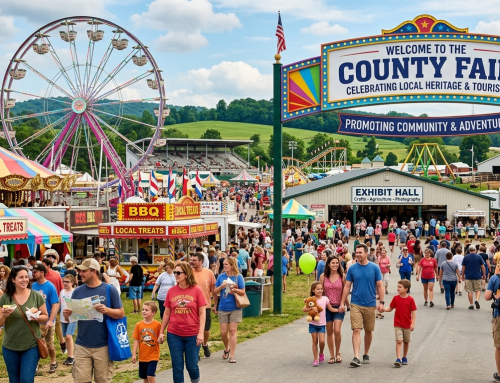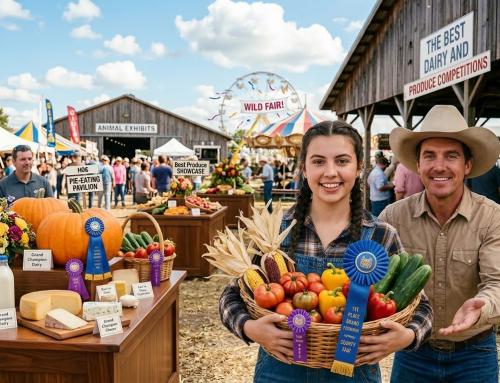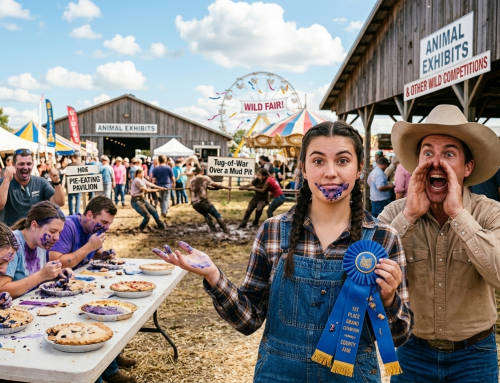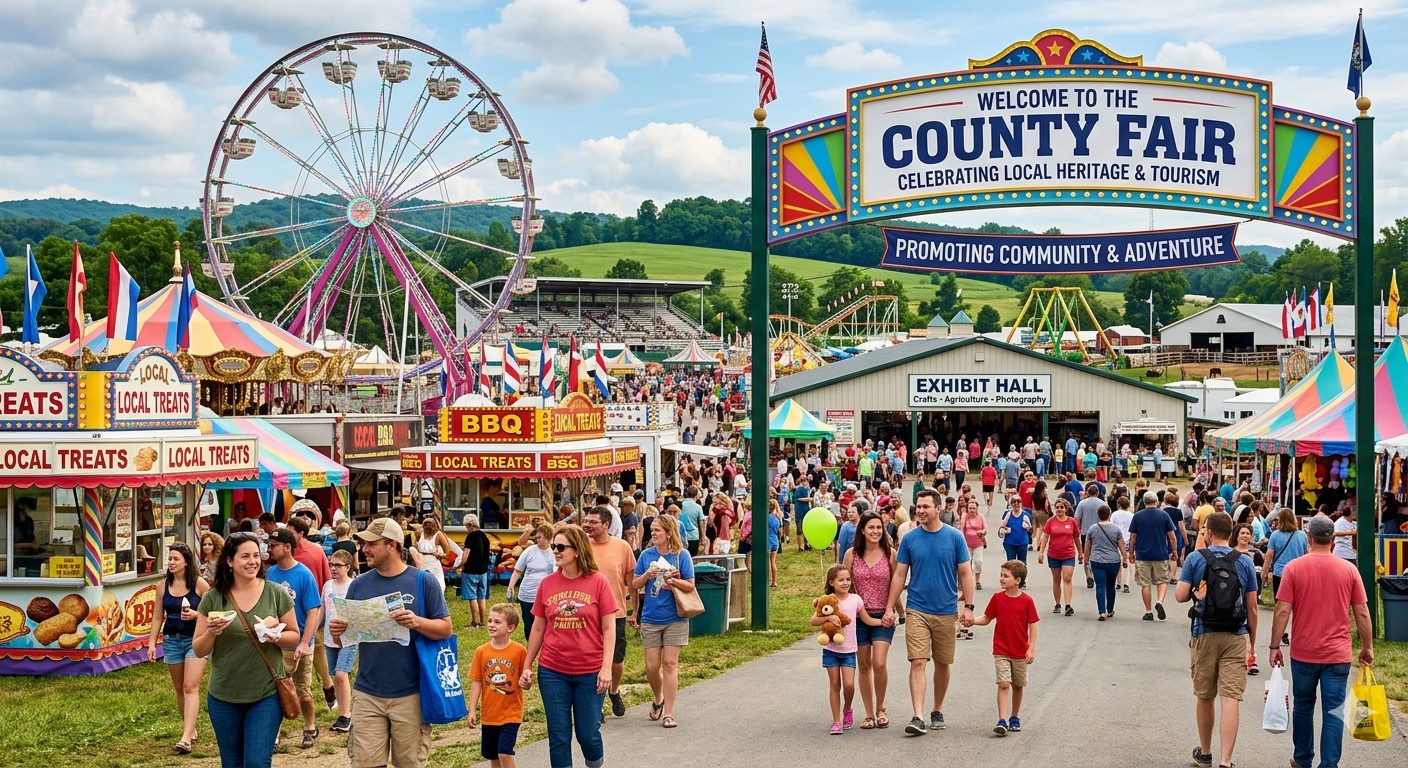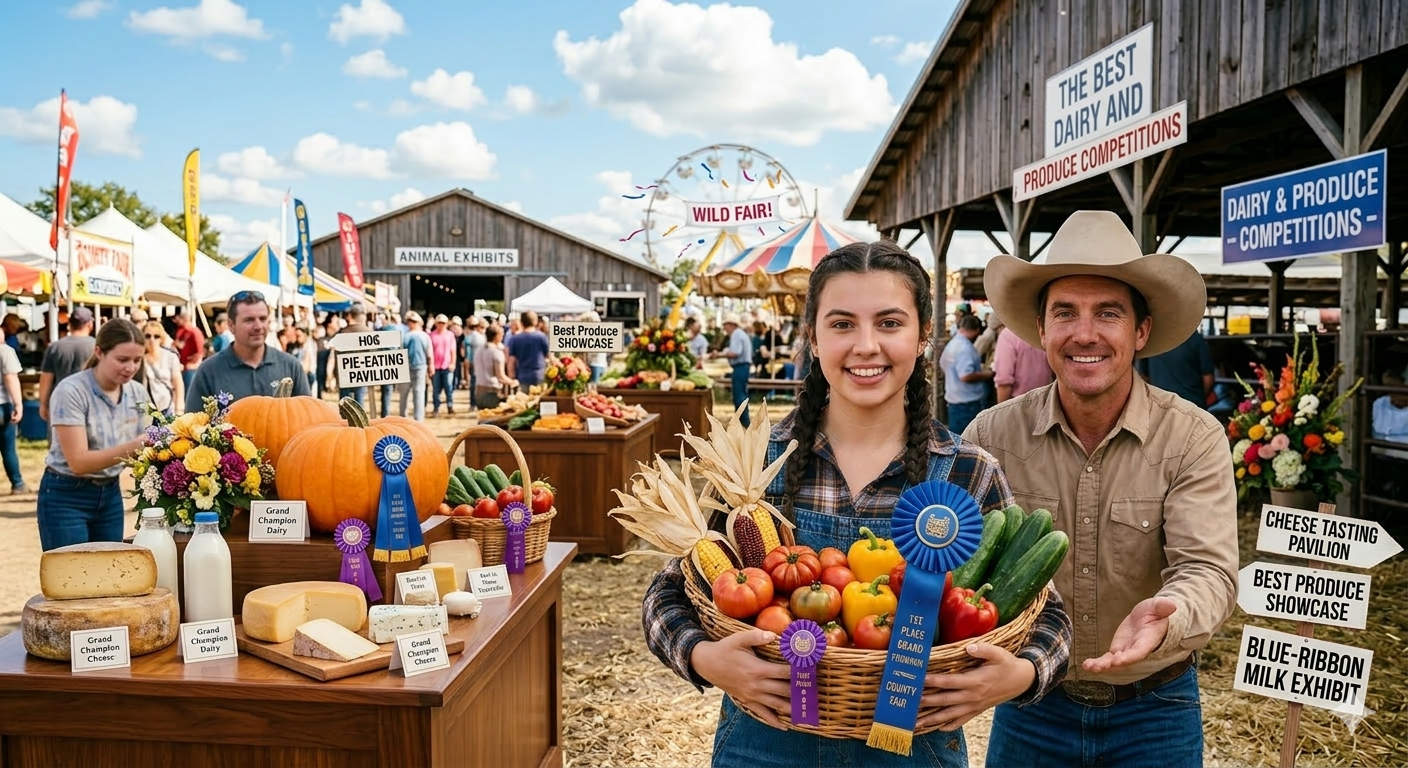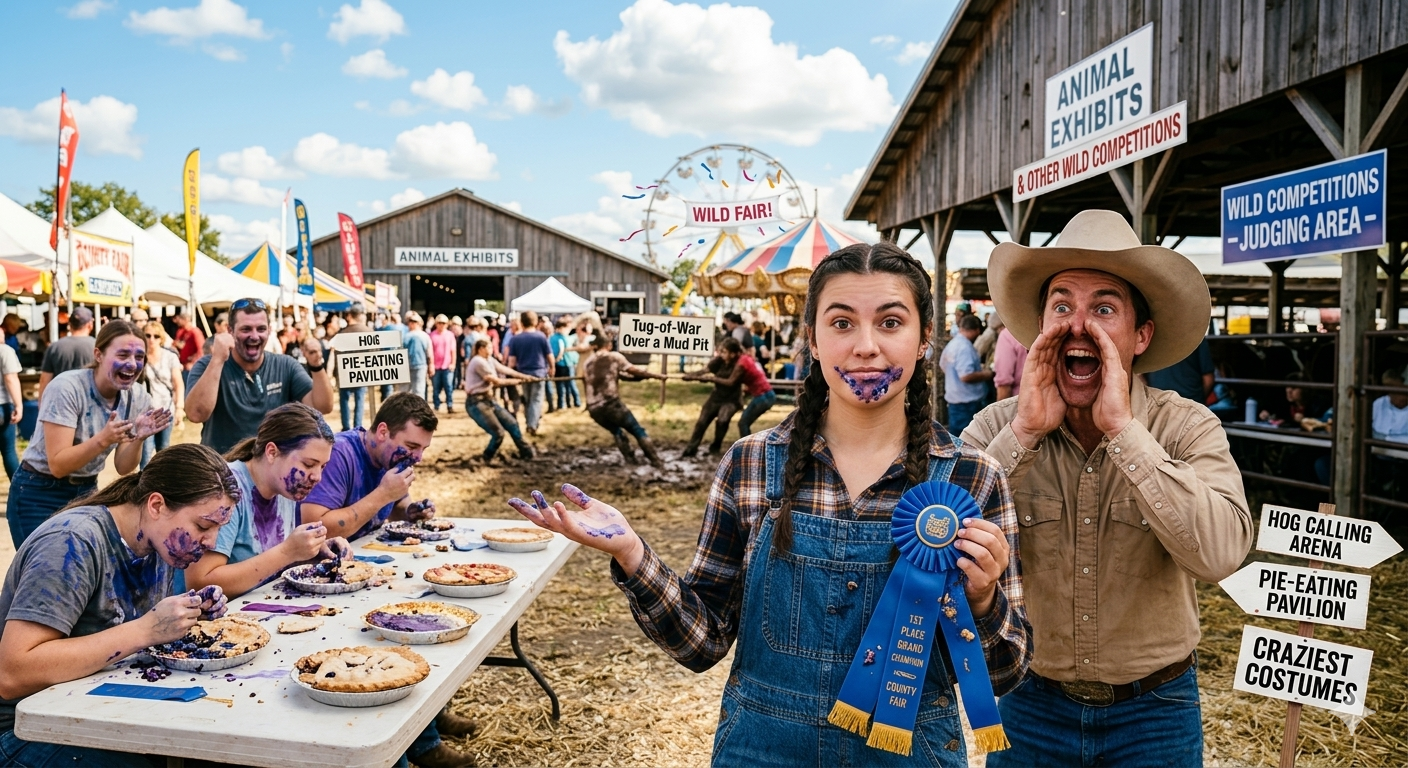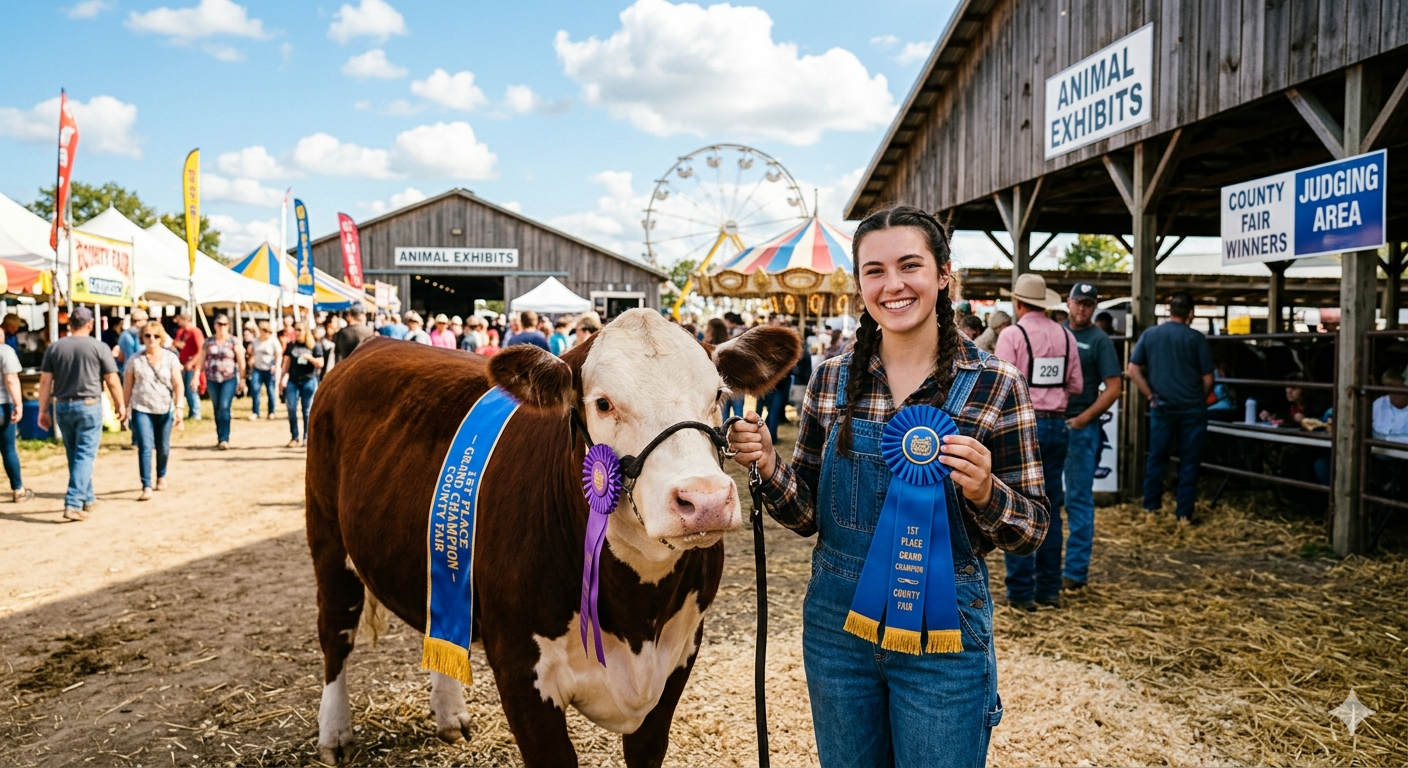
There is something genuinely exciting about walking into the exhibit hall at a county fair and seeing rows of ribbons pinned next to homemade pies, hand-stitched quilts, prize heifers, and jars of canned peaches. That blue ribbon hanging on a winning entry represents months of work, real skill, and a level of community pride that is hard to match anywhere else. At CountyFairsUSA.net, we have been covering county and state fairs, livestock shows, contests, and competitions across America since 1999. We know what blue-ribbon winners look like, and more importantly, what it takes to become one.
What a Blue Ribbon Actually Means
The blue ribbon has a long history at American fairs, and it carries weight well beyond just finishing first. In the United States, blue ribbons came to signify first place across competitive events including county and state fairs, and in many 4-H and FFA competitions, a blue ribbon is awarded to any project that meets or exceeds all of the judging criteria, not just the single top entry.
That distinction matters. At some fairs, multiple competitors in the same category can take home a blue ribbon if their entry genuinely meets the standard. The ribbon is a measure of quality, not just a ranking. That is what makes earning one feel meaningful, whether you are entering a pie, a sheep, or a photograph.
The Competition Categories Are Broader Than Most People Think
Most fairgoers associate the blue ribbon with baking, but county fairs judge a much wider range of entries. There is genuinely something for almost everyone to enter, regardless of background or skill set.
Common competition categories at county fairs include:
- Baked goods including pies, cakes, breads, cookies, jams, and canned preserves
- Livestock such as cattle, hogs, sheep, goats, poultry, and rabbits
- Horticultural exhibits covering vegetables, fruits, flowers, and garden produce
- Arts and crafts including quilts, photography, needlework, woodworking, and painting
- 4-H and FFA youth projects covering animals, foods, clothing, and STEM displays
- BBQ and open cooking competitions, which often draw serious adult competitors
- Specialty contests like pie eating, hot dog eating, lawnmower racing, and watermelon seed spitting
The State Fair of Texas alone offers more than 1,100 pre-fair categories across 12 departments in Creative Arts, and entries come in from all over the country, not just from Texas residents. The Curious Cowgirl Even a first-time entrant has a real shot if they prepare properly.
What Judges Are Really Looking For
Judges at county fairs do not score entries based on personal taste or preference. Most categories use official scorecards with set criteria, and winning entries consistently exceed the minimum standard in every area, not just one.
At major state and county fairs, judges are often agriculture extension home economists or college-level food teachers, professionals trained to measure quality objectively and score entries using standardized criteria where a perfect product can score 100%. Sandy’s Chatter
Here is what judges focus on by category:
- Baked goods: appearance, crust quality, texture, flavor balance, and proper technique. For pies, the crust alone can account for up to 45% of the total score.
- Canned goods: clean lids, proper headspace, absence of rust, correct jar packing, and overall visual appeal before the jar is even opened
- Livestock: conformation, muscle structure, conditioning, grooming, and how well the handler presents the animal in the show ring
- Crafts and needlework: consistency of technique, craftsmanship, complexity, and whether the piece demonstrates clear mastery of the medium
- Garden produce and flowers: overall quality, appearance, health, and whether the correct variety name is noted on the entry form
Judges score entries on overall quality, appearance, and health, and they also provide written comments on positives and negatives, treating the judging process as a learning opportunity as much as a competition.
How Serious Competitors Prepare
Winning a blue ribbon at a county fair is rarely an accident. The competitors who win consistently follow a preparation process that begins well before fair week arrives.
One repeat winner at the Kentucky State Fair said her secret was simple: follow the rules and judging criteria to the letter, and keep the recipe straightforward. That approach earned her a blue ribbon in the Chocolate Championship.
Habits that regular blue-ribbon winners share:
- Reading the fair’s official premium book front to back before entering anything
- Entering the same category multiple years in a row to learn from judges’ written feedback
- Practicing their entry repeatedly in the months leading up to fair day
- Using only the best quality ingredients or animals, never cutting corners on the fundamentals
- Paying close attention to presentation, because how an entry looks when it reaches the judging table matters from the first glance
- For livestock competitors, committing to daily grooming, conditioning, and showmanship training well in advance
One well-known California competitor who has won more than 4,000 fair ribbons, most of them blue, says her number one tip is straightforward: have the best ingredients at all times, or do not bother entering.
Tips for First-Time Entrants
Entering a county fair competition for the first time can feel intimidating, but most fairs actively welcome new competitors and make the entry process easier than it looks. The biggest mistakes first-timers make are not reading the rules carefully enough and leaving entry preparation until the last week.
- Start with one category you are genuinely skilled at rather than entering several at once
- Pick up the premium book, either at the fair office or online, as early as possible
- Follow the entry rules exactly, including specific presentation requirements like typed labels or required attachments
- As one experienced competitor put it: “Follow directions in the fair book. If it says ‘typed,’ do it.” Small technicalities disqualify strong entries every year.
- Do not be discouraged by a second or third place ribbon on your first entry. The written feedback from judges is genuinely useful for the following year
The Blue Ribbon Is Worth Chasing
Winning a blue ribbon at your local county fair is one of the most satisfying things you can do as a competitor, a home baker, a livestock handler, or a craftsperson. It is a real standard judged by real professionals, and it means something in the community where you live and compete.
At CountyFairsUSA.net and CountyFairgrounds.net, we cover fair competitions, livestock shows, BBQ contests, and all the events surrounding fair season across every state. Whether you are scouting your first fair to enter or you have been competing for years, finding the right fair to compete in is the first step.