County fair entertainment brings whole towns together. Stage hypnotists, grand illusionists, stilt walkers and roaming musicians turn a day of livestock barns and funnel cake into something people talk about for years. Whether you visit a small rural expo or a large state fair, these live acts are a big part of the classic summer fair experience for every age group.
Key Takeaways
- County fairs offer shows for toddlers, teens and grandparents, from afternoon to late evening.
- Interactive stage shows depend on audience volunteers, so no two performances are ever the same.
- Roaming performers keep crowded midways and food lines fun between scheduled shows.
- Checking the official fair stage schedule early helps you catch the big acts without missing livestock judging or food booths.
How County Fair Entertainment Grew From Livestock Barns to Main Stages
Agricultural fairs in America started with livestock competitions, crop exhibits and home economics displays. Organizers soon noticed that big crowds needed something to do between judging sessions and pie contests. That need gave rise to booking agencies that sent variety acts from town to town. Early performers brought vaudeville humor, acrobatics and musical revues to dusty fairgrounds.
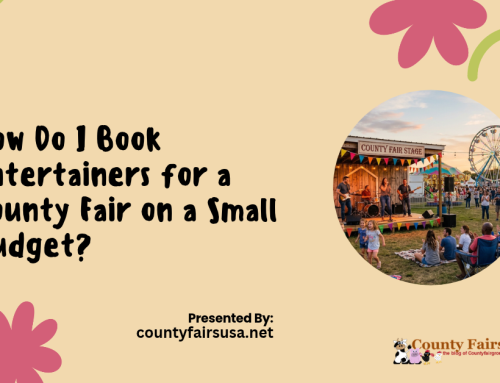
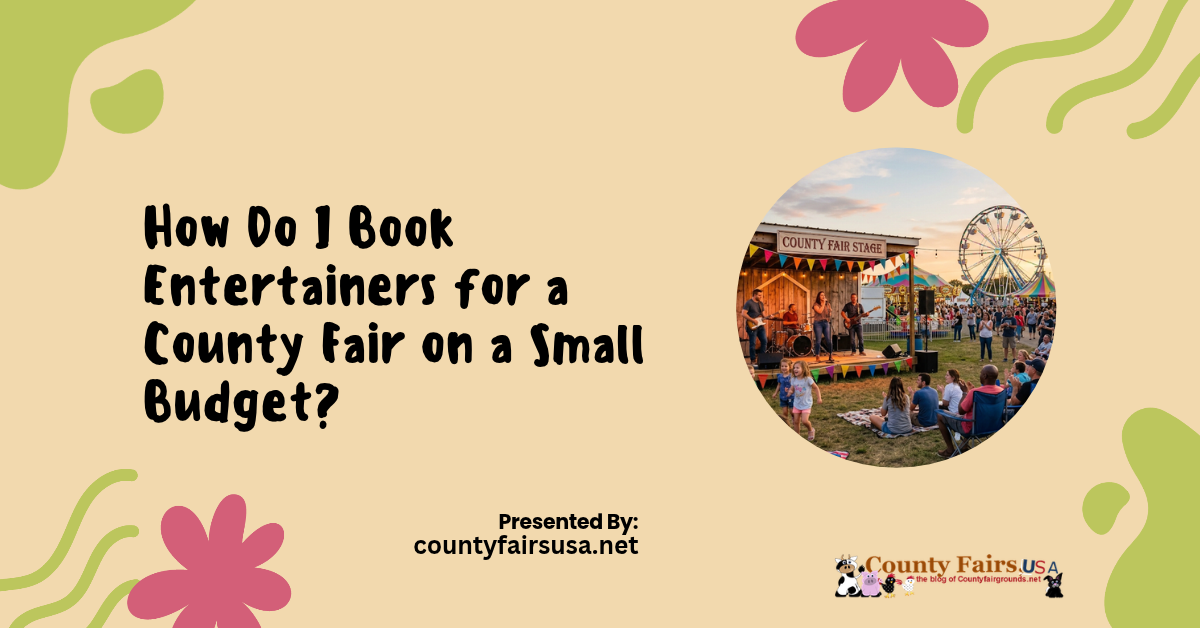
Grandstands became the home of tractor pulls, demolition derbies and country music concerts. Smaller stages followed, giving space to local bands, dance groups and specialty acts. This multi-stage setup spreads crowds across the grounds and keeps something happening at all hours.
Today, a fair might have a chainsaw wood carver near the animal barns while a trick rider performs in the main arena. Touring acts now travel with their own lights and sound systems, and many have spent decades learning how to hold the attention of rural and suburban crowds. For performers, the summer fair circuit also offers steady seasonal work.
Why Fair Budgets Shape the Lineup
Fair committees build their lineups around money. Gate ticket sales, local sponsors and county or state grants all decide how much they can spend on headliners and smaller variety acts. Big grandstand concerts often need a separate ticket. Most magic shows, hypnotists and strolling performers, however, come free with regular gate admission. That makes live entertainment easy for families on any budget to enjoy.
What Makes a Fair Magic Show Work
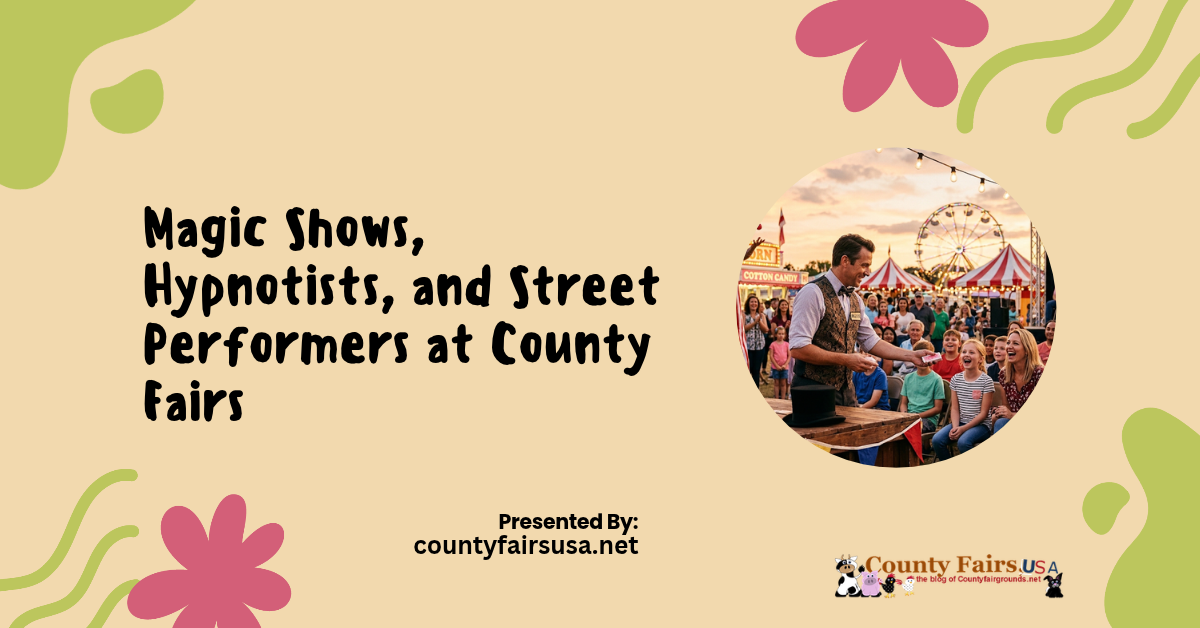
Illusionists and mentalists hold a special spot in the daily schedule. They often perform under open-air pavilions or inside cool exhibit halls. A good fair magic show mixes sleight of hand, large illusions and quick comedy so that kids and adults laugh at the same time. Most magicians bring volunteers on stage, turning regular fairgoers into the stars of the moment.
Setting up an outdoor magic show takes careful teamwork between the touring crew and local fair staff:
- Sound: The speakers must beat the noise from nearby rides, tractor pulls and crowds.
- Lighting: Crews plan around bright afternoon sun and evening spotlights so everyone sees the reveal.
- Safety: Rules get stricter when an act uses fire, blades or heavy hanging equipment.
The best fair magicians shape their acts for outdoor venues. They learn to project their voices, keep restless children engaged and stay energetic across three or four shows a day. Groups like the Society of American Magicians help keep ethical and artistic standards high across the magic community.
How a County Fair Hypnotist Show Works
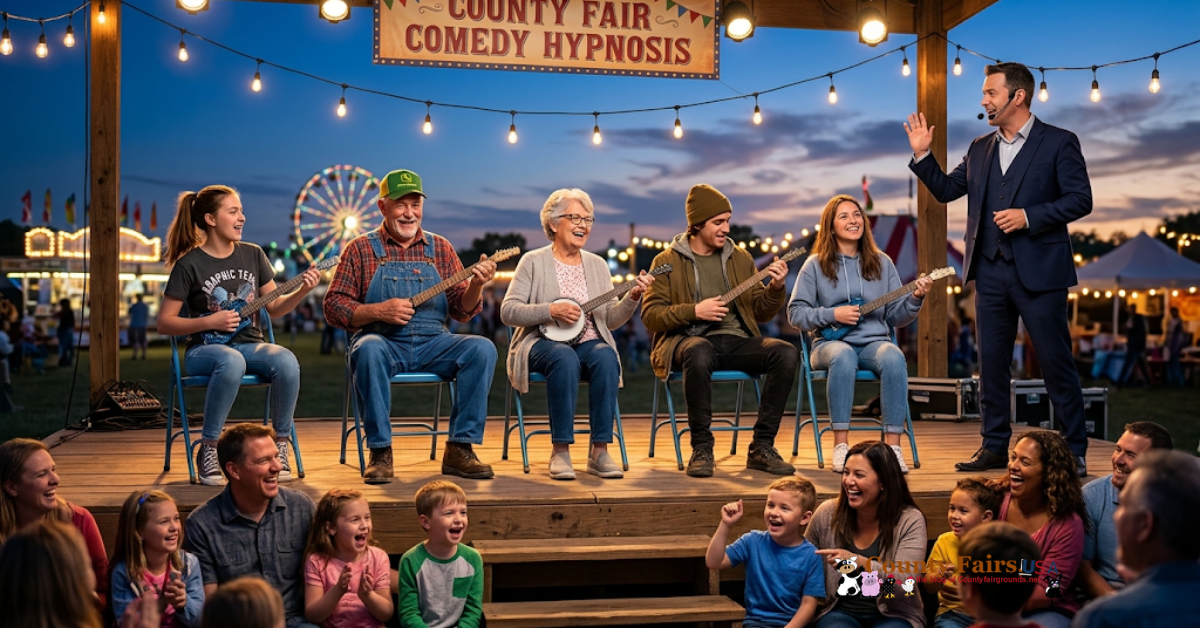
Few fair acts pull bigger crowds or louder laughs than a comedy hypnotist. The hypnotist invites volunteers on stage and uses suggestion to guide them through funny scenes. Teenagers and local farmers suddenly believe they are rock stars, ballet dancers or secret agents. The humor stays family-friendly and relies on gentle silliness, not embarrassment.
To learn what life on the road looks like for one of these performers, read this profile of hypnotist Michael Mezmer.
The Four Stages of a Hypnosis Show
| Show Stage | What Happens | Audience Role |
|---|---|---|
| Pre-Show Setup | Short introduction and a simple relaxation test | Crowd tries a quick focus exercise |
| Induction | Fast or gradual relaxation techniques | Most responsive volunteers are picked |
| Comedy Routines | Funny, imagination-based scenes | Volunteers act out each suggestion |
| Wake-Up | Slow return to full alertness with positive suggestions | Applause and often a small prize |
Safety and Consent on Stage
Safety and consent are the base of every ethical hypnosis show. A reputable hypnotist explains what will happen before anyone steps up. Volunteers are never pushed to do anything against their values or comfort level, and anyone can return to their seat. Some people doubt these shows, but the reactions come from real focus, imagination and a natural willingness to play along in front of a friendly crowd.
Novelty Acts That Share the Road
Touring hypnotists often share fair stages with novelty acts that stretch the idea of variety entertainment. Physical comedians and jugglers bring skill and humor that keep crowds gathered between bigger shows. A great example is the profile of the one-armed juggler Dale, who proves that a dedicated entertainer can master a craft and delight fair audiences across the country.
Strolling and Street Performers on the Midway
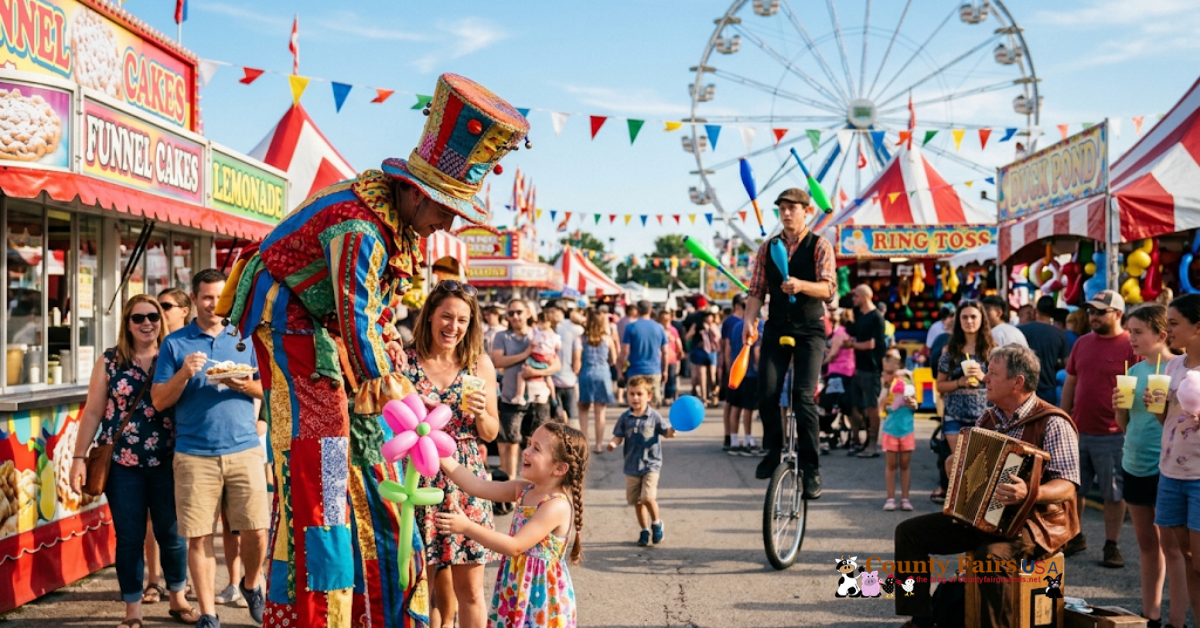
Stage shows stay in one place. Strolling performers bring the fun straight to the walkways and ride midways. These mobile artists include stilt walkers, unicyclists, accordion players and roaming puppeteers. Because they move freely, they reach families waiting in long food lines or resting on benches, and they turn a long walk into a small surprise.
Costumes matter a lot for roving acts. Bright colors, tall hats and big props help performers stand out above a shoulder-high crowd. Good street performers also read people well. They know when to approach a shy toddler and when to step back from a busy vendor. Many trained at circus schools or theater programs before joining the fair circuit.
This variety keeps the fair feeling fresh. You might meet a towering character playing with kids or a musical duo on a corner. The charming Lillipop stiltwalker troupe feature shows how height and playful props can turn a simple walkway into a living stage.
How to Plan Your Fair Day Around the Shows
A little planning helps you see more and walk less. Most large fairs post their performance lineup online weeks before opening day, and local papers and fair apps share daily updates. Follow these steps to build a simple plan for your family:
- Download or print the daily schedule from the official fair website or app before you leave home.
- Mark the must-see acts, like a favorite hypnotist, magician or musical guest, and note their exact showtimes.
- Find the smaller lawn stages and roaming areas near the food booths and livestock barns you plan to visit.
- Leave extra time for crowded midways, food lines and resting tired feet.
- Arrive about 20 minutes early for popular stage shows so kids can sit near the front.
Mix planned shows with some free wandering. Smaller tents often host duo acts and musical comedy teams you would never find on the main schedule. Independent touring acts like the musical duo Rickles and Pickles show how much fun these surprise finds can be.
Frequently Asked Questions
Are county fair hypnotist shows real?
The reactions are genuine, but they are not mind control. Volunteers become deeply focused and relaxed, which makes them more open to imaginative suggestions. The comedy comes from their willingness to play along with silly scenes in front of a supportive crowd.
Is it safe to volunteer for a hypnotist show?
Yes. Professional hypnotists put volunteer safety and comfort first. No one is forced to act against their values, and the hypnotist makes sure everyone is fully alert before leaving the stage.
What age is best for a county fair magic show?
Magic shows work for all ages, but children six and older usually enjoy the tricks most. Toddlers may get restless during longer story-based routines. Family illusion shows are built to entertain young kids and adults together.
Do street performers at fairs accept tips?
It depends on the act. Performers who work a fixed spot often accept tips in a hat or open guitar case after their show. Strolling acts hired by the fair committee are usually paid a flat fee. Look for signs near the performance area for tipping guidelines.
How do I find the show schedule at a county fair?
Printed daily schedules and maps are usually handed out at the main gates. Official fair apps often send real-time updates and stage alerts. Information booths near the main office also keep full event calendars.
Making the Most of Fair Shows This Season
Live entertainment is the heartbeat of the American county fair. It connects generations through shared laughs and moments of wonder, from grand illusions on the main stage to stilt walkers on the midway. Every ticket and every tip helps keep this outdoor variety tradition alive. Grab a map, check the daily showtimes and enjoy the shows at your local fair this season.