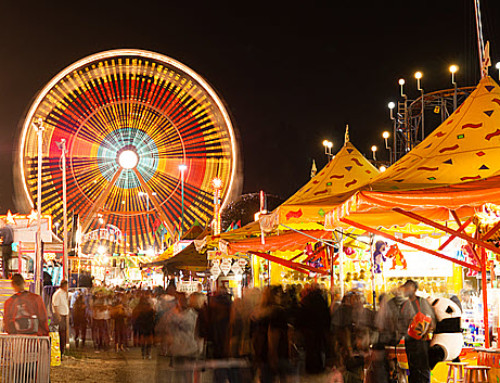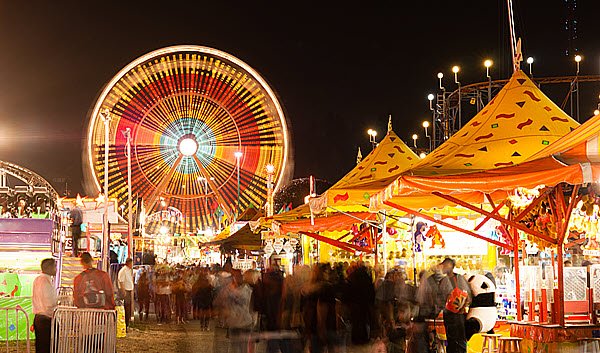
There’s something magical about walking into a county fair and seeing those carnival rides lit up against the evening sky. The smell of funnel cakes, the screams from the Gravitron, kids begging their parents for just one more ride on the Tilt-A-Whirl. But here’s something most people don’t think about: those rides get loaded onto trucks and hauled across the country dozens of times each year. So who makes sure they’re actually safe to ride?
The answer might surprise you. Carnival rides go through more inspections than most people realize. From daily operator checks to state inspector visits, there’s a whole system in place to keep fairgoers safe. And those safety signs posted everywhere? They’re not just decoration. They exist because someone, somewhere, learned the hard way what happens when the rules get ignored.
Who Actually Inspects Carnival Rides
The inspection process isn’t a one-and-done deal. Multiple people check these rides at different times for different reasons. Ride operators start every morning with a safety checklist before the gates even open. State inspectors show up at least once a year, sometimes more depending on local laws. Some states require monthly inspections for traveling carnival rides. Insurance companies also send their own inspectors to protect their investment.
On CountyFairgrounds.net, we get questions about ride safety all the time, especially from parents with young kids. The short answer is that legitimate carnival companies take inspections seriously because one accident can shut them down permanently.
The Daily Safety Checklist
Carnival operators don’t just flip some switches and call it good. Every morning, before the first customer walks through the gate, someone walks each ride and runs through a checklist. This happens whether it’s opening day or the last night of the fair.
Here’s what gets checked every single day:
- All restraint systems get tested (lap bars, shoulder harnesses, seat belts, safety chains)
- Brake systems and emergency stop buttons get verified
- Visual inspection for loose bolts, frayed cables, cracked welds, or damaged parts
- At least one empty test run of the ride
- Confirmation that all safety signs are visible and readable
If something looks wrong or doesn’t pass the test, that ride stays closed until it gets fixed. Simple as that.
What State Inspectors Look For
When the state inspector shows up, things get more technical. These aren’t just regular safety officers. They have specialized training in amusement ride mechanics and engineering. Some states require them to be certified engineers.
State inspectors dig deeper than the daily checks:
- Structural integrity including welds, metal fatigue, and stress points
- Complete electrical system inspection and wiring connections
- Hydraulic and pneumatic systems for leaks or pressure problems
- All maintenance records and documentation from the past year
- Proof that operators have current training and certifications
- Compliance with manufacturer specifications and service intervals
If the ride fails any part of the inspection, it doesn’t open. The inspector places a dated sticker on rides that pass, usually near the entrance gate or ticket booth. That sticker is your green light that the ride met state safety standards.
Reading the Safety Signs
Walk up to any carnival ride and you’ll see signs plastered everywhere. Those aren’t suggestions or legal cover. They’re warnings based on actual injuries that happened when people didn’t follow the rules. Understanding what those signs mean can help you make better decisions about which rides are appropriate for you or your kids.
Height and health restrictions include:
- “You must be THIS tall” markers (safety restraints only work within specific height and weight ranges)
- Pregnancy warnings due to sudden stops, drops, and G-forces
- Heart condition warnings for rides with intense acceleration or spinning
- Warnings for people with back, neck, or joint problems
- Seizure disorder warnings on rides with strobe lights or spinning
Rider behavior requirements cover:
- Keeping hands, arms, feet, and legs inside the ride at all times
- Staying seated until the ride comes to a complete stop
- Removing loose items like phones, cameras, hats, glasses, and jewelry
- Not rocking seats, standing up, or attempting to exit early
The height measuring stations aren’t there to ruin some kid’s day. They exist because lap bars and over-shoulder restraints are engineered for specific body proportions. A child who’s too small can slip out. An adult who’s too large might not get properly secured.
The Inspection Sticker Everyone Ignores
Here’s what visitors to CountyFairgrounds.net events should actually look for before getting on a ride. Every carnival ride that passes state inspection gets a dated sticker with the inspector’s information. It’s usually posted somewhere near the ride entrance or on the operator’s booth.
Check that date. If it’s current for your state’s requirements, you’re good to go. If the sticker is missing, faded, or shows an expired date, maybe choose a different ride. Also pay attention to general upkeep. Rides with fresh paint, clean seats, and well-maintained equipment usually indicate an operator who cares about safety and maintenance.
Common Sense Still Matters
Inspections and safety signs cover most situations, but your own judgment matters too. If a ride looks sketchy, sounds wrong, or the operator seems distracted or impaired, trust your gut. No ride is worth risking your safety or your child’s wellbeing. Legitimate carnival companies want you to feel safe because they depend on repeat business and good reputations.
After covering fairs and festivals on CountyFairgrounds.net since 1999, I’ve seen safety standards improve dramatically. Modern carnival rides go through rigorous testing and inspection processes. Operators know that one serious accident can destroy their business and their livelihood.
The next time you visit a county fair or festival, take a minute to look for those inspection stickers. Read the safety signs before you buckle in. Follow the height and health restrictions. And then go ahead and enjoy the rides. That’s what they’re there for.
For more information about upcoming fairs, festivals, and events in your area, check out the event calendar at CountyFairgrounds.net.