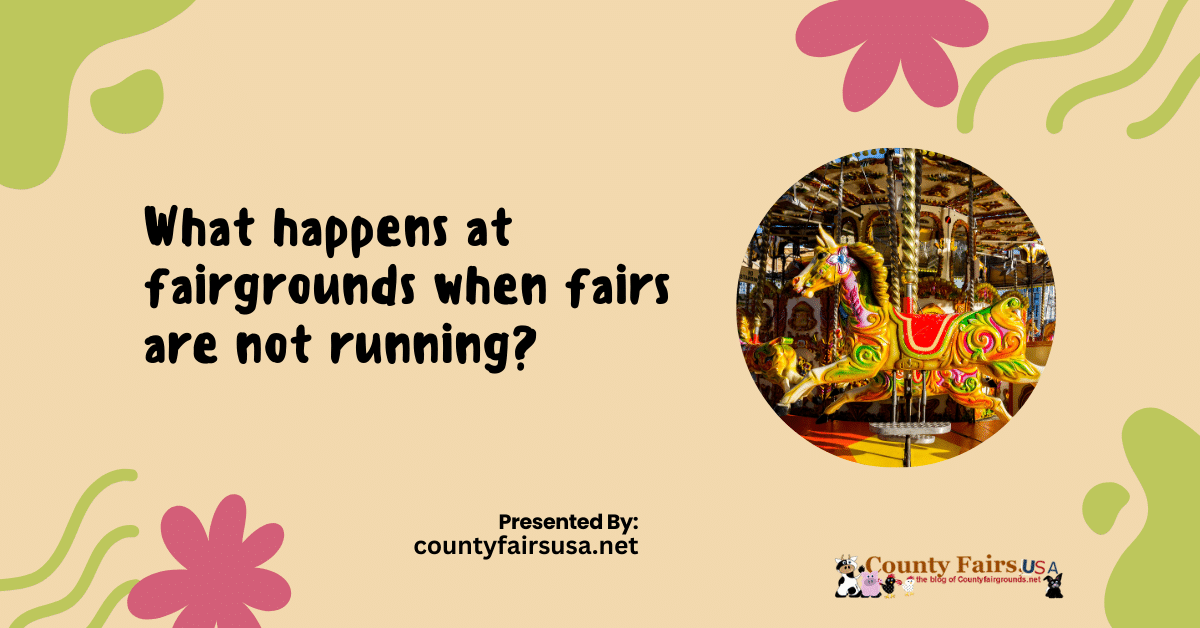
Drive past your local fairground in February or October, and you might think it’s abandoned. The truth is quite different. While county and state fairs typically run for just one or two weeks each year, these sprawling properties stay remarkably busy serving their communities in dozens of unexpected ways.
What Happens at Fairgrounds Off-Season (2026)
Most fairgrounds operate year-round, hosting everything from weddings to rodeos, farmers markets to concerts. Understanding what happens during the off-season reveals why these properties remain valuable community assets long after the carnival rides are packed away.
Community Events Fill the Calendar
Fairgrounds transform into community gathering spaces throughout the year. Local organizations and businesses rely on these venues because they offer large, affordable spaces that can accommodate crowds of any size.
Weekly farmers markets are among the most common off-season uses. Vendors set up under pavilions or in exhibition halls, selling fresh produce, baked goods, and handmade crafts. These markets often run from April through November, keeping fairgrounds active for most of the year.
Other regular community events include:
- Craft fairs and antique shows using exhibition buildings
- Flea markets and swap meets in parking areas
- Community fundraisers and charity events
- High school graduation ceremonies in grandstands
- Local festival celebrations throughout the seasons
Seasonal Celebrations Create New Revenue
Holiday events have become major revenue generators for many fairgrounds. October brings Halloween attractions that rival the fair itself in popularity. Barns that housed livestock transform into haunted houses, while open fields become elaborate corn mazes and pumpkin patches.
Christmas events follow close behind. Some fairgrounds host massive light displays where families drive through decorated grounds. Others set up holiday markets in heated buildings, giving local artisans a place to sell seasonal goods. According to event calendars on Countyfairgrounds.net, these holiday attractions often run for several weeks, bringing in steady income during traditionally slow months.
Concerts and Entertainment Keep Grandstands Active
The same grandstands that host tractor pulls during fair week become concert venues the rest of the year. Country music acts, classic rock bands, and tribute shows regularly book fairground stages because the outdoor atmosphere appeals to audiences.
Popular entertainment events include:
- Regional touring acts and local bands
- Monster truck shows and demolition derbies
- Auto racing events and car shows
- Outdoor movie nights during summer
- Community theater productions
Many fairgrounds have upgraded sound systems and lighting to compete with traditional venues. The unique setting and ample parking make them attractive options for both performers and audiences.
Rodeos and Equestrian Events Utilize Existing Facilities
Fairgrounds with arenas and barns stay particularly busy hosting horse-related activities. The infrastructure already exists, making these venues ideal for equestrian groups that need practice space, competition arenas, and stabling facilities.
Year-round rodeo activities generate consistent bookings. Professional rodeo circuits, local associations, and youth leagues all compete for dates. Barrel racing, team roping, and bronc riding events happen nearly every weekend at some fairgrounds. Horse shows, dressage competitions, and riding clinics fill additional calendar slots throughout spring and summer.
Private Rentals Bring Unexpected Uses
Wedding bookings have become surprisingly profitable for many fairgrounds. The rustic aesthetic appeals to couples seeking unique venues with character. Historic barns get decorated with lights and flowers, while manicured lawns serve as ceremony backdrops.
Corporate clients also rent fairground facilities for:
- Trade shows and industry conferences
- Product launches and company picnics
- Job fairs and recruitment events
- Training seminars and workshops
RV rallies represent another steady income source. Groups of RV enthusiasts book campgrounds for weekend gatherings or longer stays. Some fairgrounds offer monthly camping spots, creating reliable off-season revenue.
Maintenance Work Never Stops
Even when no public events are scheduled, maintenance crews stay busy. Buildings need repairs, grounds need care, and equipment requires regular servicing. Winter months in northern states bring added challenges with snow removal and heating system maintenance.
Major renovation projects happen during slower periods. Roofs get replaced, electrical systems get updated, and safety inspections get completed. This work ensures facilities remain functional and safe for the next round of events.
Preparation for the annual fair begins months in advance. Crews deep-clean buildings, test equipment, coordinate with vendors, and handle countless details that make fair week successful.
Economic Necessity Drives Year-Round Operations
Running a fairground costs money every single day. Utilities, insurance, staff salaries, and maintenance expenses continue whether events are happening or not. That’s why most fairgrounds actively pursue year-round bookings rather than sitting empty for 50 weeks.
Many operate as non-profit organizations or government entities, meaning they must justify their existence by serving communities throughout the year. Diversifying revenue streams through concerts, weddings, markets, and rentals reduces dependence on fair gate receipts and taxpayer subsidies.
Successful fairgrounds market themselves as multi-purpose venues. They offer competitive rates, maintain flexible scheduling, and invest in improvements that attract different types of events. The properties listed on Countyfairgrounds.net demonstrate this diversity, hosting everything from BBQ competitions to Christmas celebrations.
Location Determines Activity Levels
Geography plays a major role in off-season programming. Southern fairgrounds host outdoor events year-round, while northern venues might see limited winter activity. Florida and Texas fairgrounds rarely close, whereas Minnesota or Maine facilities adapt to harsh weather conditions.
Regional differences also affect event types. Western fairgrounds might emphasize rodeos and livestock events, while eastern venues focus more on craft fairs and cultural festivals. Each fairground adapts to its local market and climate.
Community Value Beyond Entertainment
Fairgrounds serve critical emergency functions when disasters strike. Large buildings and substantial infrastructure make them ideal evacuation centers or relief operation staging areas. This emergency capability adds value beyond regular programming.
Some partner with schools to provide space for athletics, physical education classes, or after-school programs. These partnerships strengthen community ties and demonstrate the property’s ongoing value to residents.
The Year Never Really Ends
Fairgrounds aren’t seasonal facilities anymore. They’ve become active community venues that happen to host a fair once a year. The transformation from single-purpose to multi-purpose properties ensures their survival and relevance in modern communities.
Next time you pass your local fairground during an ordinary Tuesday in March, remember there’s probably something happening inside. Whether it’s a wedding, a rodeo, a farmers market, or maintenance work, these properties stay busy serving their communities in ways that go far beyond fair week. Check local event calendars to discover the surprising variety of activities happening at fairgrounds near you throughout the entire year.