Fair

Pie-Eating, Hog Calling & More: The Wildest Fair Competitions

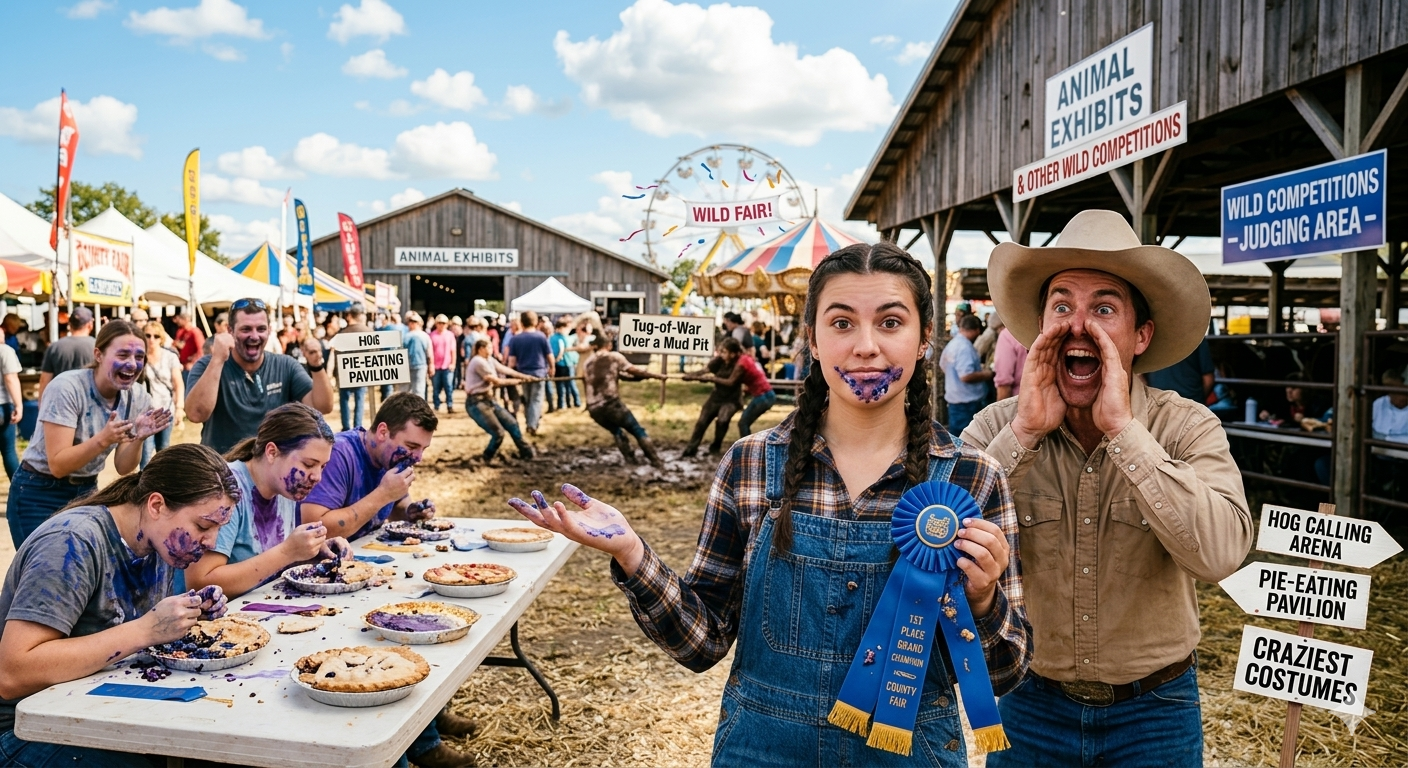
Most people think of county fairs as a place for livestock shows, carnival rides, and funnel cake. And they are right. But tucked between the exhibit halls and the midway, something far more entertaining tends to be happening. Pie-eating contests where hands are not allowed. Wildest Fair Competitions: Pie-Eating, Hog Calling & More Hog calling competitions where adults stand on a stage and scream at the top of their lungs. Frog jumping events with a $20,000 prize still sitting unclaimed. These are not fringe events. They are some of the most beloved traditions in American fair culture, and at CountyFairsUSA.net, we have been covering county and state fairs, contests, and competitions across America since 1999. If you want to understand what makes a county fair genuinely fun, start here. The Classic Contests That Started It All Long before competitive eating became a televised sport with sponsorship deals, county fairs were running their own version of it every summer. Pie-eating contests, watermelon seed spitting, and hog calling did not start as entertainment. They grew out of real agricultural and rural life, and somewhere along the way they became the highlight of the fair schedule. Hog calling is a perfect example. On a working farm, being able to call your hogs in from the field was a legitimate daily skill. Fairs turned it into a contest, added an audience and a judging panel, and suddenly you had grown adults competing for a blue ribbon by hollering across the fairgrounds as loud and dramatically as possible. The crowds loved it, and they still do. These old-school contests stuck around because they tap into something genuine. They do not require expensive equipment, years of training, or a pedigreed animal. Anyone can walk up to a pie and give it their best effort, and that accessibility is a big part of why these competitions fill the grandstands every single year. Eating Contests: The Crowd Always Shows Up Of all the wild competitions at a county fair, eating contests draw the biggest crowds and the loudest reactions. They are participatory, unpredictable, and almost always messy, which is a combination that is very hard to beat. The most traditional version requires no hands. Competitors press their face directly into the pie, watermelon, or corn dog on the table in front of them, and the person who finishes first wins. The crowd tends to enjoy this more than the competitors do, especially by the midpoint of the contest. Common eating competitions found at county and [...]
By |2026-03-26T06:13:11+00:00March 13th, 2026|Contests, Events, Fair|Comments Off on Pie-Eating, Hog Calling & More: The Wildest Fair Competitions

Blue-Ribbon Winners: What It Takes to Win at the County Fair

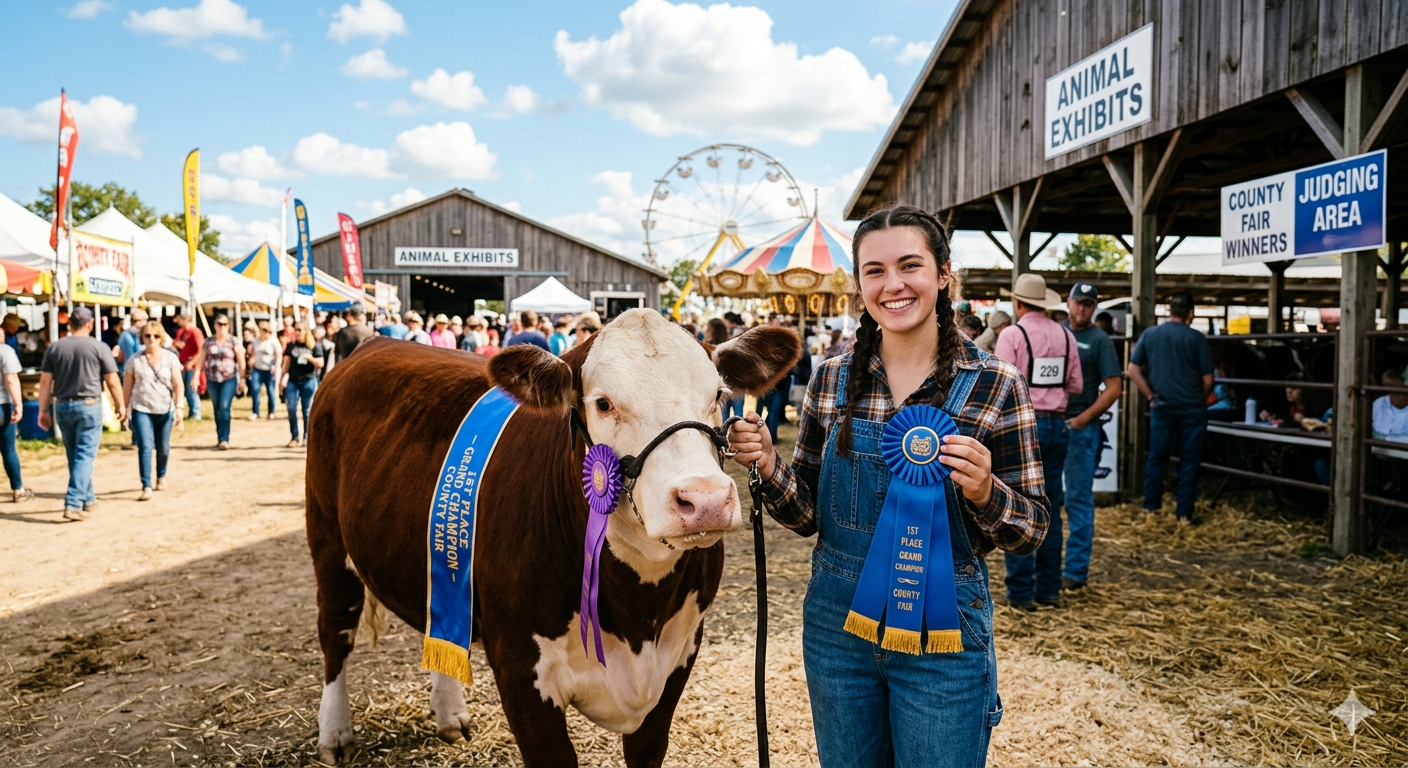
There is something genuinely exciting about walking into the exhibit hall at a county fair and seeing rows of ribbons pinned next to homemade pies, hand-stitched quilts, prize heifers, and jars of canned peaches. That blue ribbon hanging on a winning entry represents months of work, real skill, and a level of community pride that is hard to match anywhere else. At CountyFairsUSA.net, we have been covering county and state fairs, livestock shows, contests, and competitions across America since 1999. We know what blue-ribbon winners look like, and more importantly, what it takes to become one. What a Blue Ribbon Actually Means The blue ribbon has a long history at American fairs, and it carries weight well beyond just finishing first. In the United States, blue ribbons came to signify first place across competitive events including county and state fairs, and in many 4-H and FFA competitions, a blue ribbon is awarded to any project that meets or exceeds all of the judging criteria, not just the single top entry. That distinction matters. At some fairs, multiple competitors in the same category can take home a blue ribbon if their entry genuinely meets the standard. The ribbon is a measure of quality, not just a ranking. That is what makes earning one feel meaningful, whether you are entering a pie, a sheep, or a photograph. The Competition Categories Are Broader Than Most People Think Most fairgoers associate the blue ribbon with baking, but county fairs judge a much wider range of entries. There is genuinely something for almost everyone to enter, regardless of background or skill set. Common competition categories at county fairs include: Baked goods including pies, cakes, breads, cookies, jams, and canned preserves Livestock such as cattle, hogs, sheep, goats, poultry, and rabbits Horticultural exhibits covering vegetables, fruits, flowers, and garden produce Arts and crafts including quilts, photography, needlework, woodworking, and painting 4-H and FFA youth projects covering animals, foods, clothing, and STEM displays BBQ and open cooking competitions, which often draw serious adult competitors Specialty contests like pie eating, hot dog eating, lawnmower racing, and watermelon seed spitting The State Fair of Texas alone offers more than 1,100 pre-fair categories across 12 departments in Creative Arts, and entries come in from all over the country, not just from Texas residents. The Curious Cowgirl Even a first-time entrant has a real shot if they prepare properly. What Judges Are Really Looking For Judges at county fairs do not score entries based on personal taste or [...]

By |2026-03-26T06:18:31+00:00March 12th, 2026|Contests, Crafts, Fair, Livestock|Comments Off on Blue-Ribbon Winners: What It Takes to Win at the County Fair

Sustainability at County Fairs: Are They Going Green?

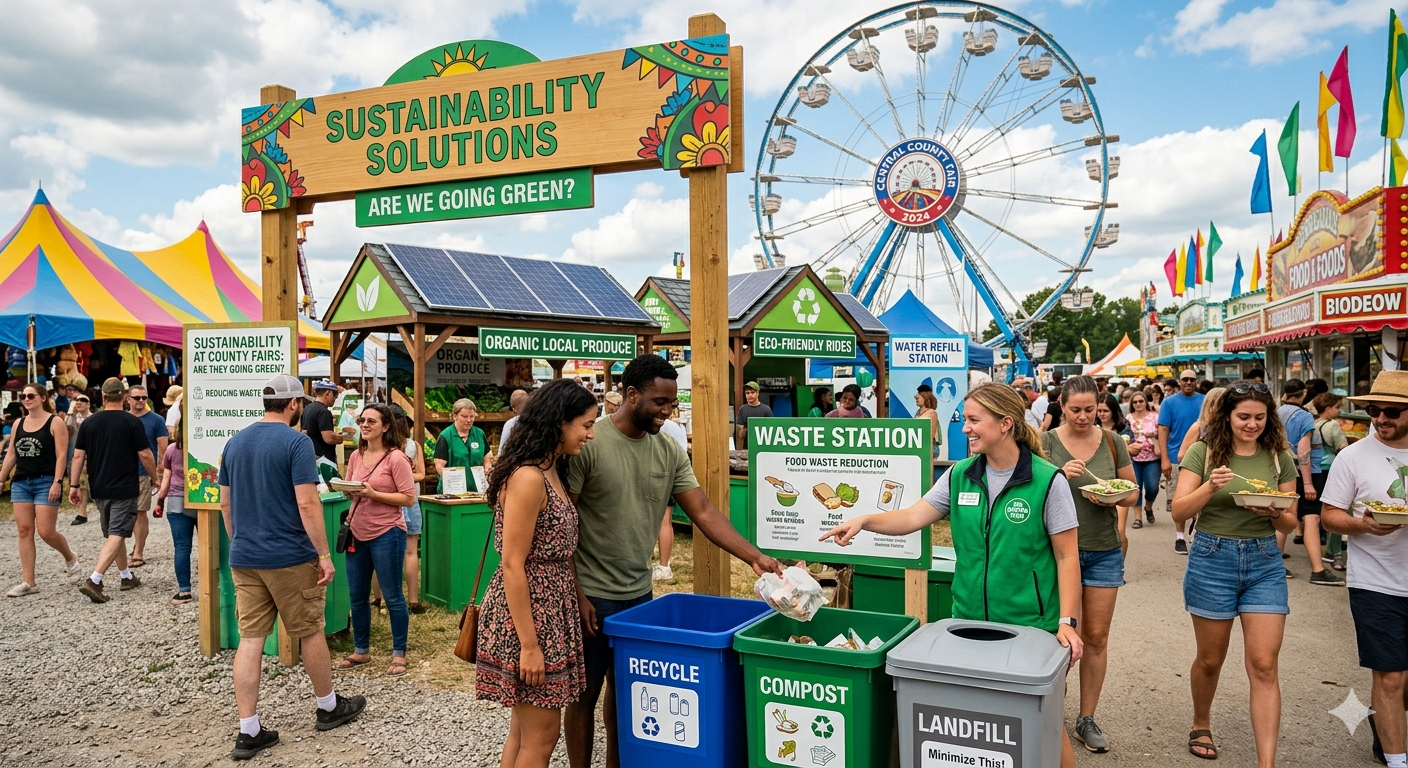
Sustainability at County Fairs: Are Fairs Going Green? Think about what a county fair actually involves. Thousands of visitors over several days, hundreds of food vendors running fryers all day, diesel generators humming behind every booth, and mountains of single-use cups and packaging piling up by the hour. It is a lot. At CountyFairsUSA.net, we have been covering county and state fairs across America since 1999, and one of the most notable shifts we have observed in recent years is how seriously many fairgrounds are taking their environmental footprint. Sustainability at county fairs is no longer a fringe conversation. It is becoming part of how the best fairs operate. The Environmental Reality of Running a County Fair A multi-day fair that draws tens of thousands of visitors creates significant waste and energy demands. Food waste, plastic packaging, fuel consumption, and water usage all add up fast, especially when you are feeding a small city for a week straight. The good news is that awareness has grown considerably. Fairs across the country are now implementing green programs that include solar power, waste diversion, water conservation, and energy-efficient products, and many are partnering with public agencies and private companies to support sustainable practices at fairgrounds. CA The question is no longer whether fairs should go green. It is how fast they can get there. Waste Reduction: Where Most Fairs Start Food waste and single-use plastics are the most visible sustainability problems at any large fair, and they are also where the most progress is being made. Fairs that are serious about going green tend to start here because the impact is immediate and visible to attendees. The Marin County Fair in California has built one of the most aggressive zero-waste programs in the country, collecting more than 28 tons of recycling and 80 tons of compost in a single fair season, and achieving a 92% waste diversion rate over more than a decade. Marin County Fair They have also banned single-use plastic bottles entirely from vendor sales and installed water refilling stations throughout the fairgrounds. Common waste reduction steps fairs are taking right now include: Replacing single-use plastic cups and utensils with compostable or reusable alternatives Setting up clearly marked recycling and composting stations throughout the fairgrounds Requiring food vendors to use eco-friendly packaging as part of their vendor agreements Partnering with food banks and shelters to donate unsold food at the end of each fair day Collecting used cooking oil from food vendors and converting it into biodiesel [...]

By |2026-03-26T06:19:51+00:00March 10th, 2026|Agriculture, Environmental, Events, Fair|Comments Off on Sustainability at County Fairs: Are They Going Green?

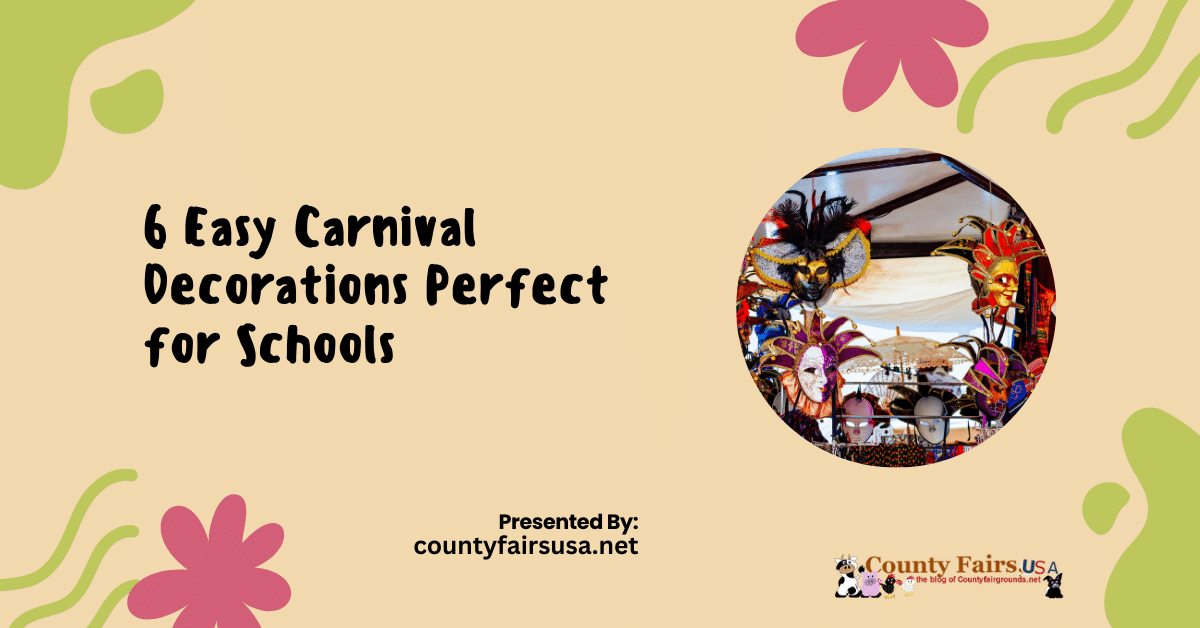
6 Easy Carnival Decorations Perfect for Schools

Planning a school carnival is exciting until you start thinking about decorations. Between tight PTA budgets, limited setup time, and volunteer crews that change every year, the decorating part can feel like the hardest piece of the puzzle. But it doesn't have to be. At CountyFairs USA, we've been covering fairs, festivals, and carnival events since 1999. We've seen school carnivals done beautifully on shoestring budgets and we've seen expensive setups that fell flat. The difference almost always comes down to choosing the right decorations, not the most decorations. Here are six easy carnival decorations perfect for schools that look great, cost little, and take almost no time to set up. 1. Colorful Pennant Banners If you only buy one decoration for your school carnival, make it pennant banners. Nothing creates an instant carnival atmosphere faster than strings of colorful triangular flags stretched across a space. A single 100-foot roll covers a surprising amount of ground and costs less than $10. Pennant banners work in almost any school setting. Stretch them across gymnasium ceilings, drape them along outdoor fences, or hang them down hallways to guide families through the event. The best part is they're reusable. Fold them up after the carnival and store them for next year. Red and white striped pennants give a classic big-top circus feel that screams carnival instantly. Multi-color pennants in primary colors work for any theme and add energy to both indoor and outdoor setups. Hang them at varying heights across your main entrance for a layered, eye-catching first impression that sets the tone for the whole event. 2. Balloon Clusters at Entryways Balloons are one of the easiest carnival decorations perfect for schools because they deliver high visual impact for very little money. You don't even need helium. Simple air-filled balloon clusters attached to doorways, booth corners, and welcome areas create a festive look that kids and parents notice right away. An electric balloon inflator costs around $15 and speeds up setup dramatically. One or two parent volunteers can inflate hundreds of balloons in under an hour. Stick to three or four bold colors that match your carnival theme or your school colors for a cohesive look. Mix standard balloons with a few oversized ones to create visual variety without adding complexity. Attach clusters to booth frames, doorways, and fence posts using simple ribbon or zip ties. No fancy balloon arches required. 3. DIY Carnival Booth Signs A folding table with a game on it looks like a folding table. [...]

By |2026-02-13T11:49:29+00:00February 16th, 2026|Fair|Comments Off on 6 Easy Carnival Decorations Perfect for Schools

Carnival Prize Sets Wholesale | Bulk Fair Prize Assortments

Running a carnival game booth without enough prizes is one of the fastest ways to lose a crowd. Whether you're organizing a county fair, school fundraiser, or church festival, the prizes are what keep players lining up and coming back. At CountyFairs USA, we've been covering fairs and festivals since 1999. Over the years, we've watched hundreds of carnival booths succeed or struggle based on one factor: how well they planned their prizes. This guide covers everything about buying carnival prize sets wholesale, from choosing the right bulk fair prize assortments to budgeting smartly for events of any size. Why Buying Carnival Prizes Wholesale Is Worth It Purchasing individual prizes from retail stores adds up fast, especially when running multiple game booths across a multi-day county fair. Wholesale carnival prize sets solve that by bundling toys and novelty items into a single order at a fraction of the per-item cost. Bulk fair prize assortments also save significant planning time. Instead of picking out dozens of individual items, wholesale kits come pre-sorted with a mix of prize types, sizes, and styles. For busy event organizers juggling a hundred other tasks, that convenience matters. Types of Bulk Fair Prize Assortments You'll Find Not all wholesale carnival prize sets are created equal. Most suppliers organize their assortments by price point, which makes it easy to match prizes to your game difficulty and booth budget. Small prizes (under 25 cents each). Stickers, temporary tattoos, mini spinning tops, rubber erasers, and bouncy balls. These work best as participation prizes or consolation rewards so every player walks away with something. Medium prizes (25 cents to $1 each). Stuffed animals, glow sticks, novelty sunglasses, squirt toys, and slap bracelets. Ideal for mid-tier wins at games like ring toss or balloon darts. Large prizes ($1 to $5+ each). Oversized plush animals, inflatables, licensed character items, and tech accessories. These are your top-shelf display prizes that draw players to the booth from across the midway. Mixed assortments. Many suppliers offer kits that include all three tiers in one package, ranging from 100-piece starter sets to mega packs of 500 or more items. How to Match Prizes to Your Carnival Game Booth The type of game you're running should directly influence which carnival prize sets wholesale you order. Getting this right is the difference between a booth that stays packed and one that empties out after the first hour. Skill-based games like basketball shooting, balloon darts, and ring toss work best with a tiered prize system. Players [...]

By |2026-02-13T11:46:29+00:00February 15th, 2026|Fair Business|Comments Off on Carnival Prize Sets Wholesale | Bulk Fair Prize Assortments

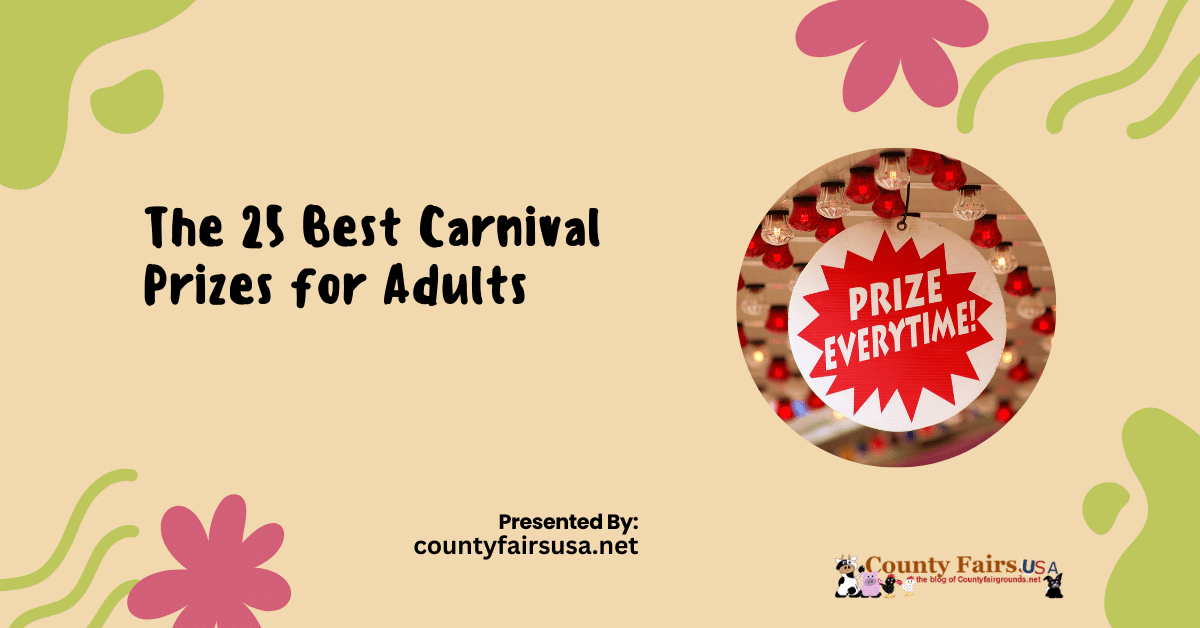
The 25 Best Carnival Prizes for Adults

Walking through a county fair midway isn't just a kids-only experience anymore. Adults line up at game booths just as eagerly, eyeing the top-shelf prizes and calculating how many throws it will take. The truth is, carnival prizes have grown up right alongside the fairgoers. At CountyFairs USA, we've spent over two decades covering fairs, festivals, and everything that makes them worth attending. One thing we've noticed over the years is that the best carnival booths stock prizes adults genuinely want to take home. Here are 25 of the best carnival prizes for adults, organized by category so you know exactly what to look for at your next county fair. Wearable Carnival Prizes That Turn Heads There's nothing quite like winning a prize you can put on immediately and wear around the fairgrounds all night. Wearable prizes are crowd favorites because they double as conversation starters and instant photo props. Oversized Novelty Sunglasses. Comically large, impossible to ignore, and perfect for fair day selfies. Felt Stovepipe Hats. Colorful and ridiculous in the best possible way. Adults love the mix of fancy and funny. Mardi Gras Masks. Metallic carnival masks work at the fair, at office costume parties, and everywhere in between. Metallic Bead Necklaces. A timeless carnival classic that adds instant festival energy to any outfit. Flower Lei Necklaces. Perfect for luau-themed booths and tropical carnival setups. They photograph beautifully and feel like a mini vacation. Stress Relievers and Desk Toys If there's one prize category that resonates with every adult at a county fair, it's stress relief. These small, satisfying prizes end up on office desks and kitchen counters long after the fair is over. Relaxable Sports Balls. Soft, squeezable, and perfect for long meetings or slow afternoons at work. Lump of Coal Stress Balls. A novelty shape that's especially fun as a holiday-themed carnival prize. Fidget and Puzzle Cubes. Nostalgic, addictive, and surprisingly useful during conference calls. Inspirational Stones. Smooth stones with positive messages that double as paperweights or garden accents. Winning one at the fair makes it feel more personal than buying one at a store. Fun and Games Prizes Adults Actually Fight Over Adults are competitive. Give them a chance to win something entertaining, and they'll keep coming back to the booth all night. These carnival prizes for adults tap directly into that competitive spirit. Jumbo playing cards are a consistent winner at county fair game booths. They're practical for outdoor gatherings and hilarious for anyone whose eyesight has started to slip. Clear [...]

By |2026-02-13T11:41:01+00:00February 13th, 2026|Fair|Comments Off on The 25 Best Carnival Prizes for Adults

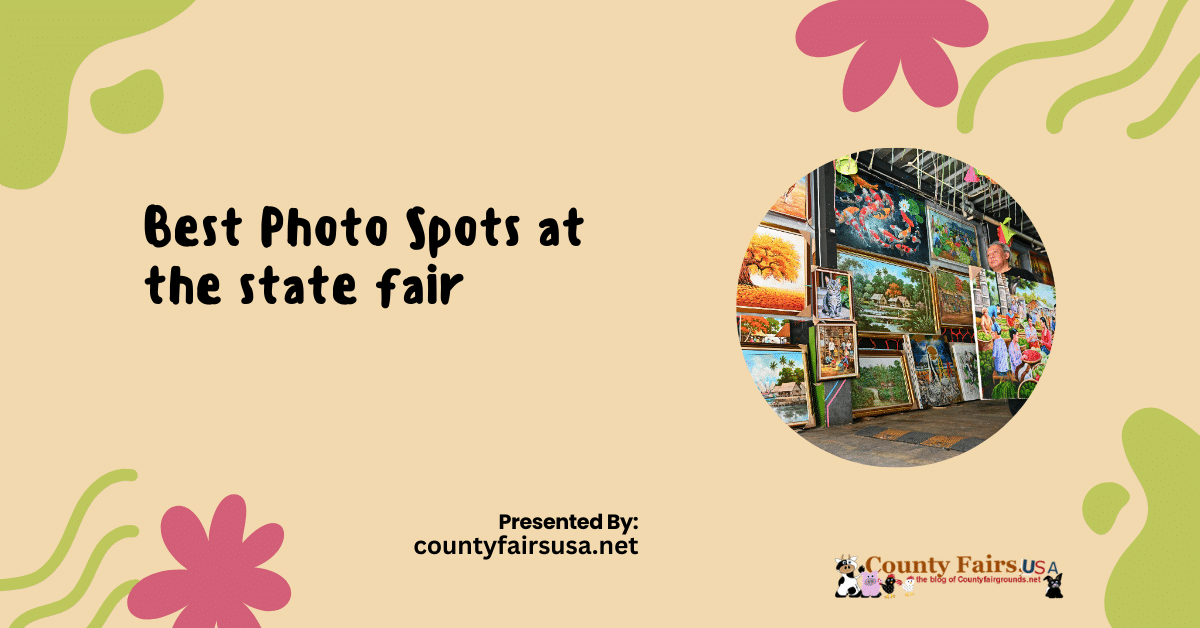
Best Photo Spots at the State Fair

Everyone takes photos at the state fair. But most people end up with the same blurry ride shots and half-eaten corn dog snapshots that look exactly like everyone else's. The fair is actually full of incredible photo opportunities if you slow down and pay attention to what is around you. Where Are the Best Photo Spots At The State Fair? At CountyfairsUSA, we have been covering county fairs, state fairs, and festivals across America since 1999. Over the years, we have noticed that the best fair photos almost never come from the obvious spots. Here is where to point your camera for shots that actually stand out. The Midway During Golden Hour The hour before sunset is the single best window for photos at any state fair. The warm, low-angle sunlight bounces off metal rides, colorful signage, and the faces of fairgoers in a way that makes everything look cinematic. If you only have one chance to shoot, this is when you should be on the midway. Shoot facing away from the sun so that warm backlit glow wraps around your subjects. The Ferris wheel silhouetted against an orange sky is a classic shot for a reason, and it only takes a few seconds to capture if you are in the right place at the right time. The Ferris Wheel From Every Angle No other structure at the fair gives you as many photo options as the Ferris wheel. It works as a subject during the day and completely changes character after dark when the lights come on. Most people only photograph it from one angle, but you should try several. From directly below looking straight up through the spokes for a dramatic geometric shot From a distance with the full wheel framed against the sky or the midway crowd From the top looking down at the entire fairgrounds spread out below you At night with long exposure if your phone or camera supports it, so the lights streak into glowing circles Neon Signs and Food Stand Lights After Dark Once the sun sets, the fair becomes a completely different place for photography. Every food stand, game booth, and ride lights up with neon and LED signage that creates bold, colorful backdrops you cannot find anywhere else. Lemonade stands and cotton candy carts are some of the most photogenic vendors because of their bright yellow and pink lighting Use portrait mode on your phone to blur the background lights into soft bokeh behind your subject Step back [...]

By |2026-02-13T11:20:56+00:00February 13th, 2026|State Fair|Comments Off on Best Photo Spots at the State Fair

What Happens at Fairgrounds When Fairs Are Not Running?

Drive past your local fairground in February or October, and you might think it's abandoned. The truth is quite different. While county and state fairs typically run for just one or two weeks each year, these sprawling properties stay remarkably busy serving their communities in dozens of unexpected ways. What Happens at Fairgrounds Off-Season (2026) Most fairgrounds operate year-round, hosting everything from weddings to rodeos, farmers markets to concerts. Understanding what happens during the off-season reveals why these properties remain valuable community assets long after the carnival rides are packed away. Community Events Fill the Calendar Fairgrounds transform into community gathering spaces throughout the year. Local organizations and businesses rely on these venues because they offer large, affordable spaces that can accommodate crowds of any size. Weekly farmers markets are among the most common off-season uses. Vendors set up under pavilions or in exhibition halls, selling fresh produce, baked goods, and handmade crafts. These markets often run from April through November, keeping fairgrounds active for most of the year. Other regular community events include: Craft fairs and antique shows using exhibition buildings Flea markets and swap meets in parking areas Community fundraisers and charity events High school graduation ceremonies in grandstands Local festival celebrations throughout the seasons Seasonal Celebrations Create New Revenue Holiday events have become major revenue generators for many fairgrounds. October brings Halloween attractions that rival the fair itself in popularity. Barns that housed livestock transform into haunted houses, while open fields become elaborate corn mazes and pumpkin patches. Christmas events follow close behind. Some fairgrounds host massive light displays where families drive through decorated grounds. Others set up holiday markets in heated buildings, giving local artisans a place to sell seasonal goods. According to event calendars on Countyfairgrounds.net, these holiday attractions often run for several weeks, bringing in steady income during traditionally slow months. Concerts and Entertainment Keep Grandstands Active The same grandstands that host tractor pulls during fair week become concert venues the rest of the year. Country music acts, classic rock bands, and tribute shows regularly book fairground stages because the outdoor atmosphere appeals to audiences. Popular entertainment events include: Regional touring acts and local bands Monster truck shows and demolition derbies Auto racing events and car shows Outdoor movie nights during summer Community theater productions Many fairgrounds have upgraded sound systems and lighting to compete with traditional venues. The unique setting and ample parking make them attractive options for both performers and audiences. Rodeos and Equestrian Events Utilize Existing Facilities Fairgrounds [...]

By |2026-02-11T08:54:24+00:00January 16th, 2026|County Fairgrounds|Comments Off on What Happens at Fairgrounds When Fairs Are Not Running?
Go to Top