Events

The Role of County Fairs in Promoting Tourism

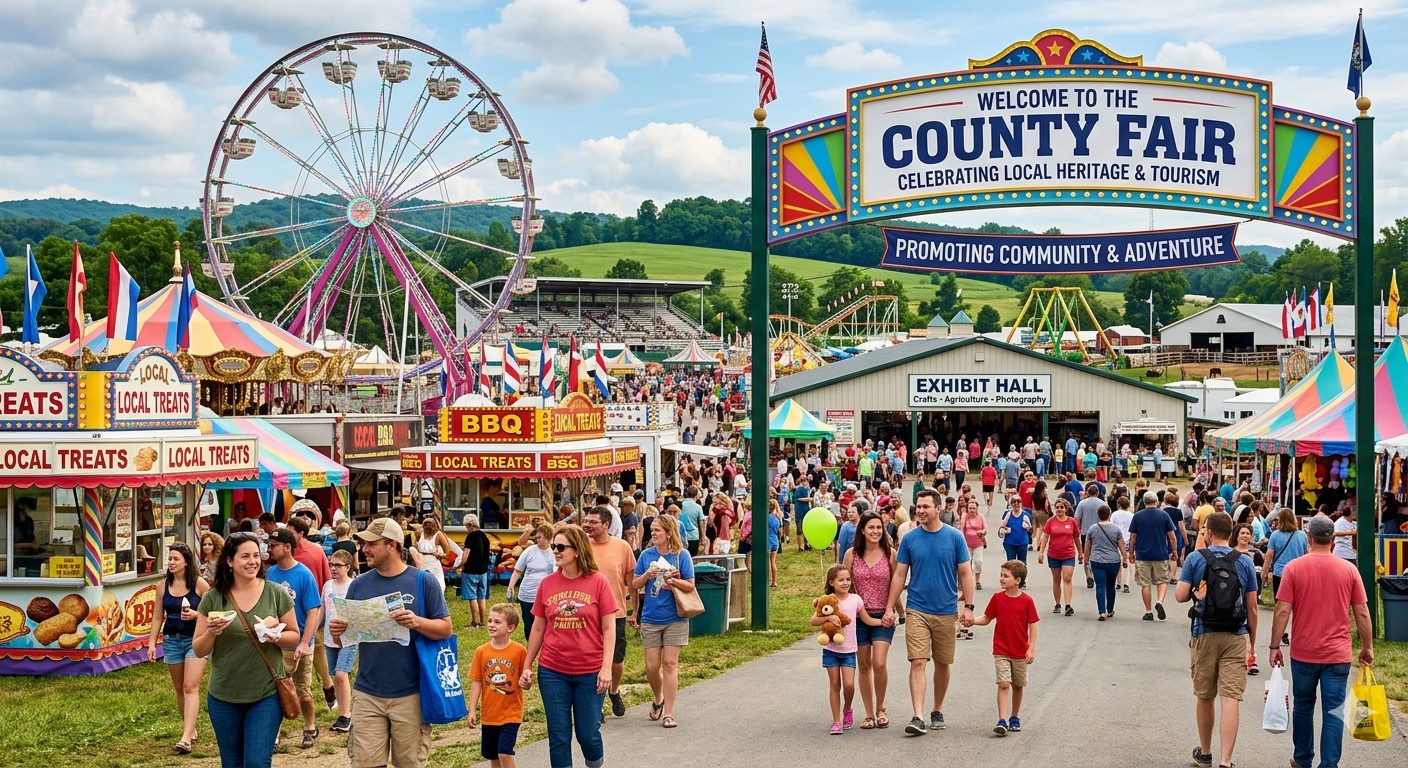
Role of County Fairs in Promoting Tourism & Local Economies County fairs are one of America's oldest and most honest forms of tourism. No manufactured resort experience, no corporate theme park. Just local food, real livestock, live music, carnival rides, and the kind of community pride that is impossible to fake. At CountyFairsUSA.net, we have been covering county and state fairs across the country since 1999, and what we have seen over those 25+ years is clear: these events are serious tourism drivers that deserve far more credit than they get. The Numbers Tell the Real Story Most people think of a county fair as a local summer tradition. The data says otherwise. According to a 2025 IAFE Economic Impact Study based on 2024 data, fairs and fairgrounds across the United States generated $51.9 billion in economic impact, attracted 219.8 million visitors, and supported 393,000 ongoing jobs. Travel And Tour World That is not a local event. That is a national tourism industry. In 2024 alone, fairs generated 2.8 million hotel room nights across the country, demonstrating their direct and measurable impact on the hospitality sector. Travel And Tour World These are travelers booking rooms, filling diners, stopping at gas stations, and spending money in communities that depend on that seasonal influx. Why People Travel Specifically for County Fairs A growing number of American families build road trips and vacations around fair dates. It is not accidental tourism. It is intentional, planned travel motivated by experiences they cannot replicate anywhere else. Research from the University of Minnesota Extension found that in Beltrami County, fairgoers came from 42 states, four Native American communities, and Canada. In Pine County, nearly half of all attendees were outside visitors, not locals. UMN Extension The draw comes from a combination of things you can only find at a county fair: Fresh-squeezed lemonade, corn dogs, funnel cake, and regional foods that cannot be replicated at home Livestock competitions showcasing cattle, hogs, sheep, and poultry from local farms Live country music, rodeo events, and carnival midways that create a full-day experience 4-H and FFA exhibits where young people display months of hard work BBQ competitions and pie contests that reflect genuine regional food culture For visitors from urban and suburban areas, these experiences feel rare and authentic. That authenticity is exactly what drives people to get in the car and drive three or four hours for a weekend at the fair. The Economic Ripple Effect on Local Communities When a county fair draws out-of-town [...]
By |2026-03-26T06:07:58+00:00March 15th, 2026|County Fair, Events, Fair, Festivals|Comments Off on The Role of County Fairs in Promoting Tourism

Pie-Eating, Hog Calling & More: The Wildest Fair Competitions

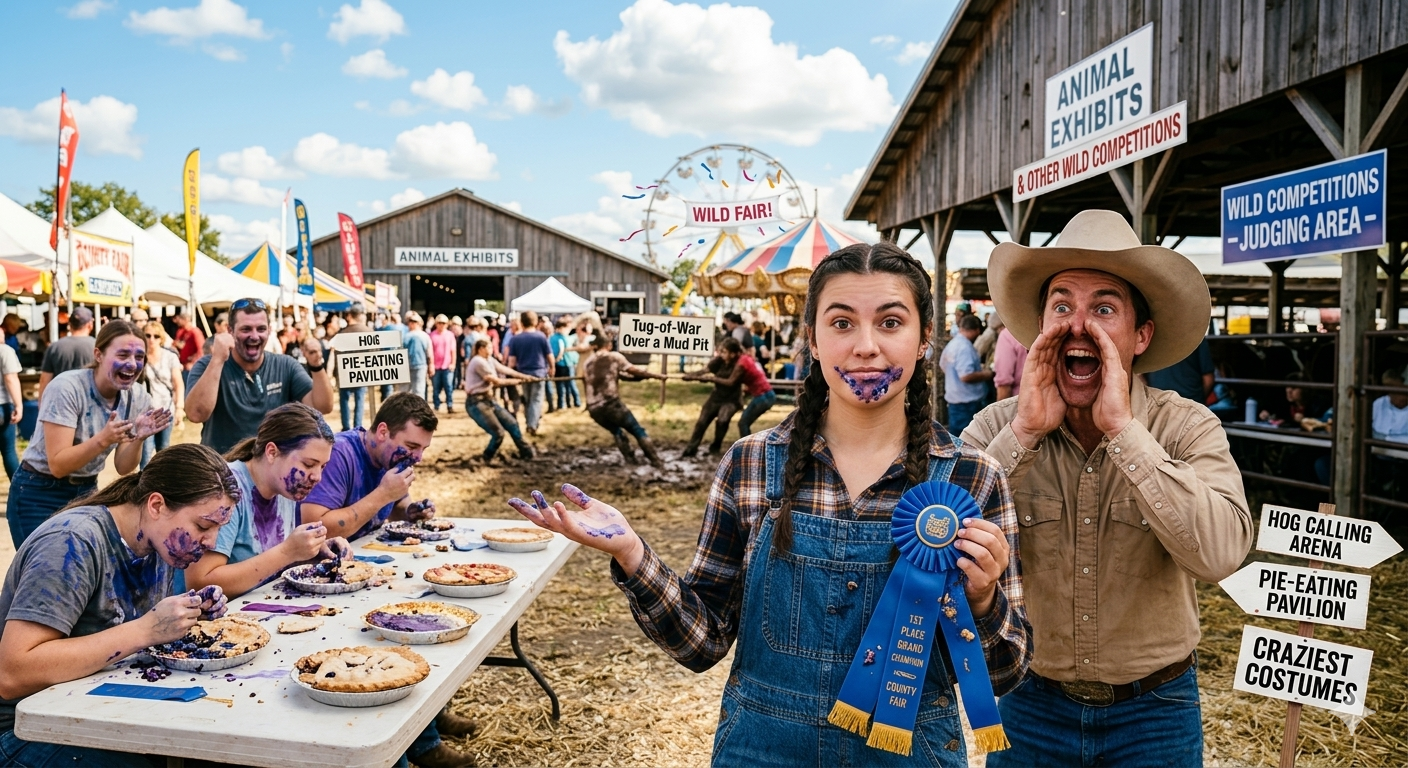
Most people think of county fairs as a place for livestock shows, carnival rides, and funnel cake. And they are right. But tucked between the exhibit halls and the midway, something far more entertaining tends to be happening. Pie-eating contests where hands are not allowed. Wildest Fair Competitions: Pie-Eating, Hog Calling & More Hog calling competitions where adults stand on a stage and scream at the top of their lungs. Frog jumping events with a $20,000 prize still sitting unclaimed. These are not fringe events. They are some of the most beloved traditions in American fair culture, and at CountyFairsUSA.net, we have been covering county and state fairs, contests, and competitions across America since 1999. If you want to understand what makes a county fair genuinely fun, start here. The Classic Contests That Started It All Long before competitive eating became a televised sport with sponsorship deals, county fairs were running their own version of it every summer. Pie-eating contests, watermelon seed spitting, and hog calling did not start as entertainment. They grew out of real agricultural and rural life, and somewhere along the way they became the highlight of the fair schedule. Hog calling is a perfect example. On a working farm, being able to call your hogs in from the field was a legitimate daily skill. Fairs turned it into a contest, added an audience and a judging panel, and suddenly you had grown adults competing for a blue ribbon by hollering across the fairgrounds as loud and dramatically as possible. The crowds loved it, and they still do. These old-school contests stuck around because they tap into something genuine. They do not require expensive equipment, years of training, or a pedigreed animal. Anyone can walk up to a pie and give it their best effort, and that accessibility is a big part of why these competitions fill the grandstands every single year. Eating Contests: The Crowd Always Shows Up Of all the wild competitions at a county fair, eating contests draw the biggest crowds and the loudest reactions. They are participatory, unpredictable, and almost always messy, which is a combination that is very hard to beat. The most traditional version requires no hands. Competitors press their face directly into the pie, watermelon, or corn dog on the table in front of them, and the person who finishes first wins. The crowd tends to enjoy this more than the competitors do, especially by the midpoint of the contest. Common eating competitions found at county and [...]

By |2026-03-26T06:13:11+00:00March 13th, 2026|Contests, Events, Fair|Comments Off on Pie-Eating, Hog Calling & More: The Wildest Fair Competitions

Sustainability at County Fairs: Are They Going Green?

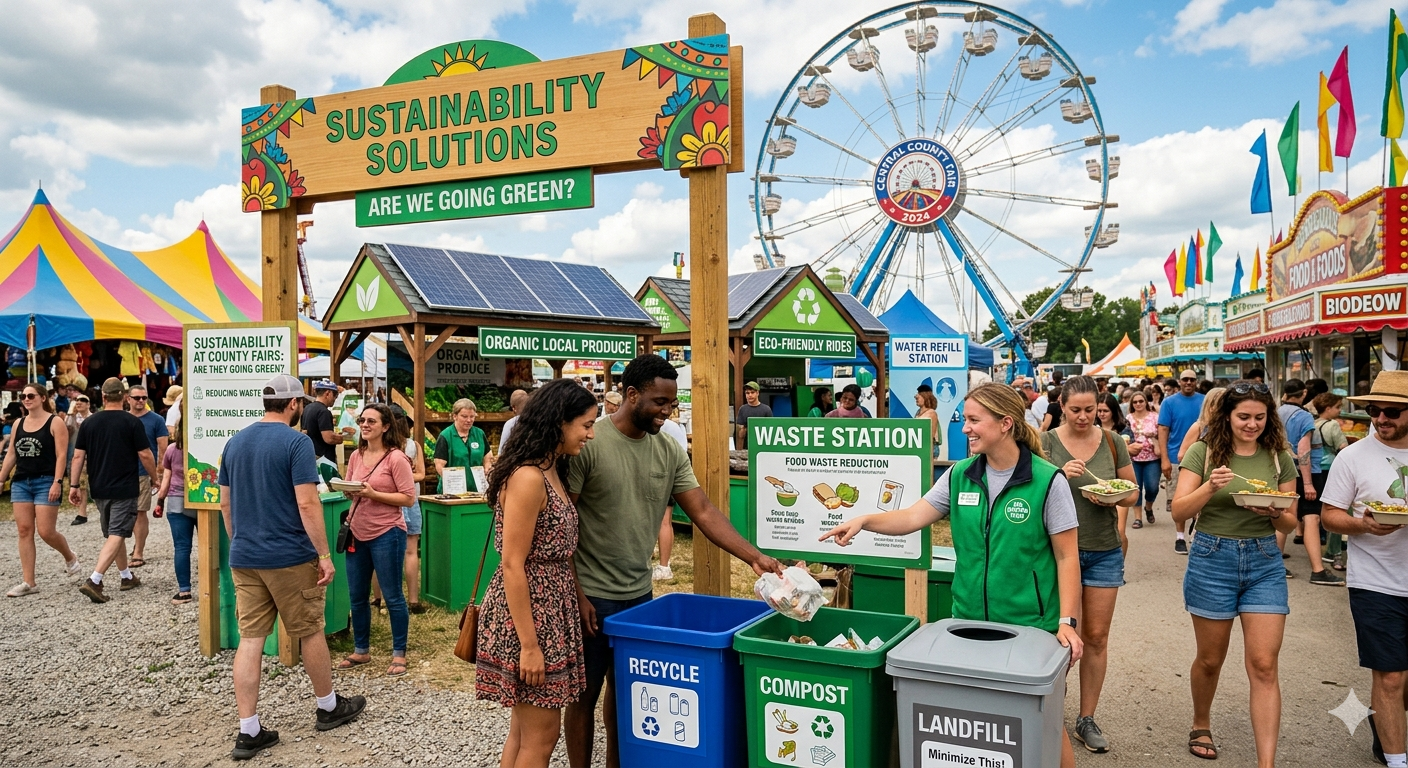
Sustainability at County Fairs: Are Fairs Going Green? Think about what a county fair actually involves. Thousands of visitors over several days, hundreds of food vendors running fryers all day, diesel generators humming behind every booth, and mountains of single-use cups and packaging piling up by the hour. It is a lot. At CountyFairsUSA.net, we have been covering county and state fairs across America since 1999, and one of the most notable shifts we have observed in recent years is how seriously many fairgrounds are taking their environmental footprint. Sustainability at county fairs is no longer a fringe conversation. It is becoming part of how the best fairs operate. The Environmental Reality of Running a County Fair A multi-day fair that draws tens of thousands of visitors creates significant waste and energy demands. Food waste, plastic packaging, fuel consumption, and water usage all add up fast, especially when you are feeding a small city for a week straight. The good news is that awareness has grown considerably. Fairs across the country are now implementing green programs that include solar power, waste diversion, water conservation, and energy-efficient products, and many are partnering with public agencies and private companies to support sustainable practices at fairgrounds. CA The question is no longer whether fairs should go green. It is how fast they can get there. Waste Reduction: Where Most Fairs Start Food waste and single-use plastics are the most visible sustainability problems at any large fair, and they are also where the most progress is being made. Fairs that are serious about going green tend to start here because the impact is immediate and visible to attendees. The Marin County Fair in California has built one of the most aggressive zero-waste programs in the country, collecting more than 28 tons of recycling and 80 tons of compost in a single fair season, and achieving a 92% waste diversion rate over more than a decade. Marin County Fair They have also banned single-use plastic bottles entirely from vendor sales and installed water refilling stations throughout the fairgrounds. Common waste reduction steps fairs are taking right now include: Replacing single-use plastic cups and utensils with compostable or reusable alternatives Setting up clearly marked recycling and composting stations throughout the fairgrounds Requiring food vendors to use eco-friendly packaging as part of their vendor agreements Partnering with food banks and shelters to donate unsold food at the end of each fair day Collecting used cooking oil from food vendors and converting it into biodiesel [...]

By |2026-03-26T06:19:51+00:00March 10th, 2026|Agriculture, Environmental, Events, Fair|Comments Off on Sustainability at County Fairs: Are They Going Green?

How Do Local Businesses Profit From County Fairs?

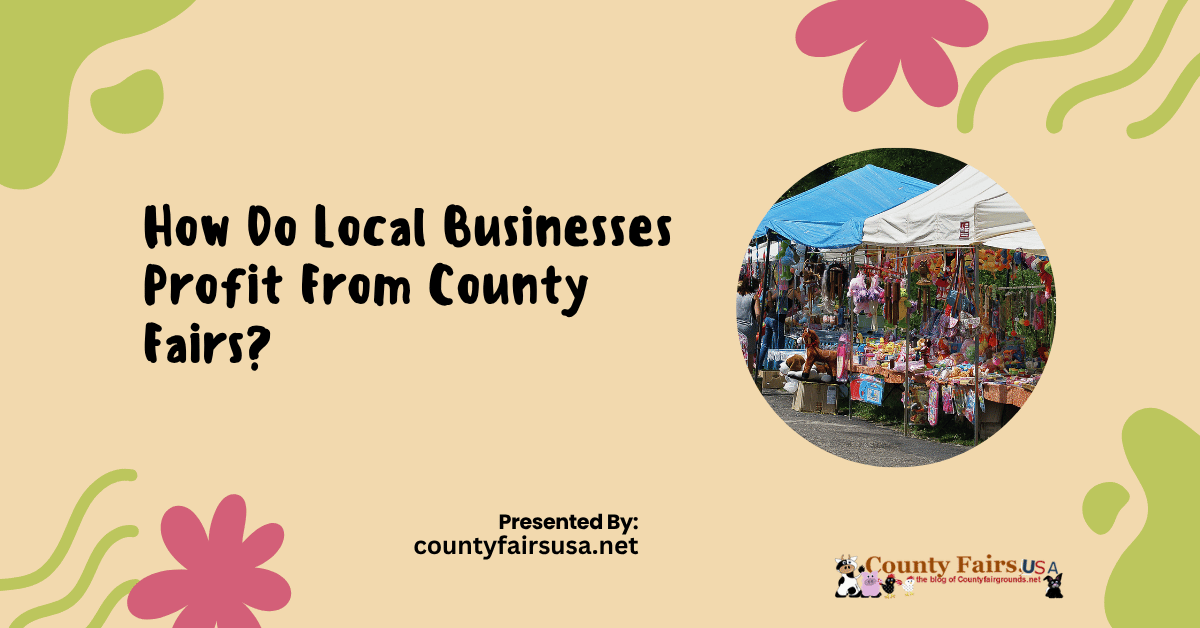
Local Businesses Profit From County Fairs: Every year, local events bring people together in ways that no online campaign can match. Among these, county fairs stand out as a lively mix of entertainment, food, shopping, and community pride. For small businesses, they present a rare chance to connect with hundreds or even thousands of potential customers in a single setting. Instead of competing for attention in the crowded digital space, vendors get to interact face-to-face, tell their story, and create memorable experiences. From selling products directly to forming partnerships that last well beyond the fair, these events can play a big role in a business’s annual growth strategy. Increased Foot Traffic and Exposure The most immediate benefit of participating in a county fair is the surge in visibility. Fairs often draw large, diverse crowds that include families, tourists, and locals of all ages. This concentrated audience creates a level of exposure that could take months to replicate elsewhere. Even visitors who don’t make a purchase may remember your brand, leading to future sales. For example, a landscaping company may not book a job on the spot but could secure multiple leads for later follow-up. Direct Sales Opportunities at the Event County fairs act as temporary marketplaces where businesses can sell to a wide variety of customers in just a few days. Food & Beverage Stalls Local restaurants, bakeries, and food trucks can sell their specialties, introduce seasonal menu items, or test new recipes. Popular examples include: BBQ and smoked meats Fresh pies and pastries Handmade lemonade or craft sodas Unique snack foods like candied nuts or kettle corn Retail & Artisan Products Vendors selling crafts, clothing, jewelry, or home décor often find receptive audiences. Fairs attract people who appreciate one-of-a-kind products and are willing to spend for something special. Service Demonstrations Even service-based businesses can benefit. Pet groomers, home service providers, or fitness trainers can showcase their skills, offer demonstrations, and schedule future appointments. Marketing and Brand Awareness Beyond making sales, fairs offer a prime setting to tell your brand’s story. Meeting people face-to-face adds a personal connection that builds trust faster than digital ads. Ways to build recognition at fairs: Use banners and branded tablecloths for a consistent look Hand out samples or small items with your logo Display a QR code linking directly to your website or social pages Encourage visitors to follow you online for future promotions These strategies turn casual encounters into long-term relationships. Seasonal Product Launches County fairs are an ideal testing [...]

By |2026-02-27T13:42:53+00:00August 9th, 2025|Events, Fair Business|0 Comments

How County Fairs Preserve Local Culture

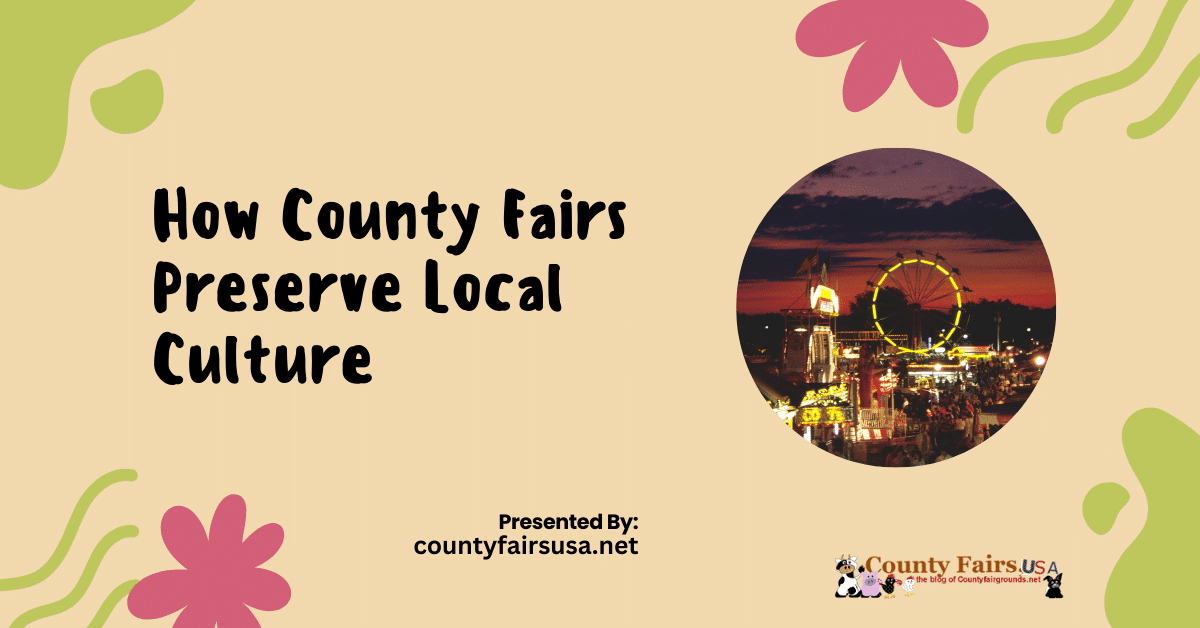
Every year, communities across the country gather for an event that feels like a step back in time, where homemade pies are still judged with pride, folk music fills the air, and children marvel at farm animals up close. These gatherings are more than just celebrations; they are deeply rooted in tradition, serving as a bridge between generations and a testament to local heritage. How County Fairs Preserve Local Culture Despite the fast pace of modern life, these events continue to thrive, offering a rare chance to experience the customs, crafts, and flavors that define a region. They provide an opportunity to see firsthand how farming traditions are upheld, how artisans keep time-honored skills alive, and how local music and storytelling shape cultural identity. As cities expand and digital interactions dominate, these gatherings stand strong, reminding us of the importance of community, craftsmanship, and cultural preservation. Understanding their role in keeping traditions alive helps us appreciate why these events are not just entertaining but essential. Let’s explore how they continue to safeguard local culture and ensure that heritage is passed down for future generations. 1. The Historical Significance of County Fairs County fairs date back to the early 19th century, originally organized as agricultural exhibitions. These gatherings provided farmers a platform to share their best livestock, crops, and farming techniques. Over time, they evolved to include competitions, entertainment, and educational activities. How County Fairs Have Evolved Over Time Early fairs focused on livestock exhibitions and crop contests. By the late 1800s, fairs incorporated carnival attractions, local vendors, and artistic showcases. Modern fairs blend traditional elements with newer forms of entertainment, ensuring they remain relevant while honoring their roots. Despite changes, county fairs have never lost sight of their primary purpose—celebrating and preserving the unique character of local communities. 2. Keeping Agricultural Traditions Alive Agriculture has always been at the heart of county fairs. These events give farmers and ranchers a space to exhibit their work, fostering appreciation for the labor and dedication involved in food production. How County Fairs Support Agriculture: Livestock competitions highlight the skill and care required in breeding cattle, sheep, and poultry. Farm equipment showcases educate the public on both traditional and modern farming methods. 4-H and FFA programs encourage young people to learn farming skills and develop a connection to the land. These exhibitions not only help sustain agricultural knowledge but also ensure that younger generations remain engaged in the field. 3. Celebrating Local Arts, Crafts, and Handicrafts Beyond farming, county fairs serve [...]

By |2025-04-27T02:57:55+00:00March 13th, 2025|County Fair, Events, Fair, Fair Business, Festivals|0 Comments

How to Make the Most of Your County Fair Visit: A Complete Guide

The county fair is an annual tradition filled with exciting rides, delicious food, and unforgettable entertainment. Whether you're attending for the first time or are a seasoned fairgoer, careful planning can help make your visit more enjoyable. Ready for an Unforgettable County Fair Visit? From navigating the fairgrounds to trying the best local treats, this guide will help you experience everything your county fair has to offer. Choosing the Right County Fair to Visit If you have multiple fairs happening near you, selecting the right one depends on a few key factors: Location & Accessibility – Consider how far you're willing to travel and whether the fair offers convenient parking or public transportation options. Events & Attractions – Some fairs focus heavily on agricultural showcases, while others emphasize thrill rides and live performances. Check the fair’s schedule in advance. Size & Crowd Levels – Larger fairs attract bigger crowds, which means longer wait times but also more variety in food and entertainment. Some of the most well-known county fairs in the U.S. include the San Diego County Fair (California), the Great Minnesota Get-Together (Minnesota), and the State Fair of Texas (Texas). If you're looking for a specific experience, researching in advance will help you pick the best fair for your interests. Planning Ahead: Tickets, Budget & Essentials A well-planned trip makes for a much more enjoyable fair experience. Before heading out, consider the following: 1. Buying Tickets in Advance Many fairs offer discounted pre-sale tickets, which can save money compared to buying at the gate. Some fairs also provide family packs or ride wristbands that include unlimited rides for a fixed price. 2. Setting a Budget Fairs can be expensive if you don’t plan your spending. Here’s a breakdown of common expenses: Admission Fee – Varies based on location and day of the week. Food & Drinks – Expect to spend $10-$20 per meal. Rides & Games – Tickets or wristbands can add up quickly. Souvenirs & Shopping – Many fairs sell handmade crafts, clothing, and novelty items. Tip: Some fairs have free entertainment areas and discount days where admission prices are lower. 3. Packing Essentials To stay comfortable during your visit, bring: Comfortable walking shoes – Fairgrounds are large, and you'll be on your feet for hours. Sunscreen & Hat – Many fairs take place in open fields with little shade. Cash & Cards – Some vendors may not accept cards, so having a mix of payment options is helpful. Phone Charger – If you plan [...]

By |2025-04-27T03:33:05+00:00February 12th, 2025|County Fair, Events|0 Comments

What to do at a county fair?

County fairs are cherished events that bring communities together to celebrate local traditions, enjoy entertainment, and indulge in delicious food. Whether you’re a first-time visitor or a seasoned fairgoer, there’s always something new to discover. What to do at a County Fair? From thrilling rides to agricultural exhibits, county fairs offer an array of activities for people of all ages. In this guide, we’ll explore how to make the most of your visit and ensure you have an enjoyable experience. Plan Ahead for Your Visit Preparation is key to making your trip to the county fair as smooth as possible. Here are a few steps to consider: Check the Event Details: Start by looking up the fair’s dates, location, and schedule. Many fairs provide an online event guide listing attractions, performances, and special activities. Pack Essentials: Bring comfortable shoes, sunscreen, a hat, and a refillable water bottle. If you’re visiting with kids, a stroller and some snacks can be lifesavers. Plan Your Arrival: Arrive early to avoid crowds and secure parking. Some fairs offer discounted tickets for advance purchases, so check their website for deals. Being prepared helps you focus on enjoying the fair without worrying about logistics. Enjoy the Thrill of Carnival Rides One of the main attractions of any county fair is the array of carnival rides that promise fun for everyone. From heart-pounding roller coasters to the classic Ferris wheel, there’s something for every thrill level. Family-Friendly Rides: Look for gentle rides like carousels and train rides that cater to younger visitors. Adrenaline-Pumping Options: For thrill-seekers, rides like drop towers and spinning attractions deliver an exciting experience. Before hopping on any ride, take note of height requirements and safety guidelines to ensure a safe and enjoyable time. Savor the Delicious Fair Food No trip to the fair is complete without sampling its iconic culinary offerings. The food is often a highlight, featuring indulgent treats and local specialties. Popular Fair Foods to Try: Deep-fried delights like funnel cakes, fried Oreos, and Twinkies. Classic carnival snacks such as corn dogs, pretzels, and popcorn. Sweet treats including cotton candy, churros, and snow cones. For adventurous eaters, county fairs often showcase unique or regional dishes. Don’t miss the chance to try something new, and remember to pace yourself to avoid a food coma! Immerse Yourself in Live Entertainment Live performances add an extra layer of excitement to the fair experience. From music to magic shows, there’s always something happening on the main stage. Musical Acts: Local bands and [...]

By |2025-04-27T03:53:15+00:00January 9th, 2025|County Fair, Events, Fair|0 Comments
Go to Top