
Festivals

Food on a Stick: The Surprising History Behind America’s Favorite Fair Food

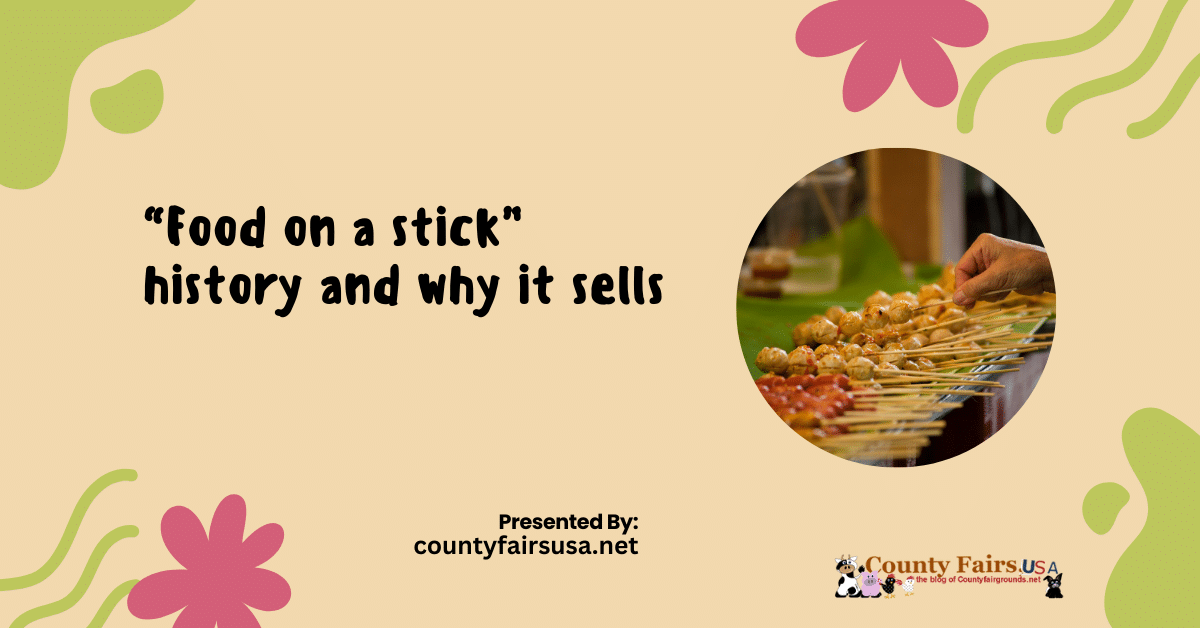
Walk through any county fair or state festival, and you'll see them everywhere. Corn dogs, candied apples, deep-fried Oreos, cheese curds, and dozens of other treats, all proudly served on wooden sticks. At CountyFairgrounds.net, we've covered hundreds of fairs across America, and one thing never changes: people love food on a stick. But this isn't just a modern fair gimmick. The story behind food on a stick stretches back thousands of years, and there are real reasons why it continues to dominate fairgrounds nationwide. Let's explore the fascinating history and discover why this simple concept remains so incredibly popular. The Ancient Origins of Food on a Stick Long before corn dogs became a state fair staple, ancient civilizations were already skewering their meals. Archaeological evidence shows people have been cooking food on sticks since humans first controlled fire. When you're cooking over an open flame, you need something to hold your food without burning your hands. A stick was the obvious answer. The ancient Greeks enjoyed souvlaki, with chunks of meat grilled on wooden skewers. Middle Eastern cultures developed kebabs, threading meat and vegetables onto sticks for cooking and eating. In Japan, yakitori became a street food tradition centuries ago. These weren't just cooking methods but some of the earliest forms of portable, hand-held meals that let people eat while moving through markets and festivals. Medieval European festivals featured vendors selling skewered foods to crowds. When immigrants brought their food traditions to America, these stick-based foods came along. By the late 1800s and early 1900s, American fairs began experimenting with their own versions, realizing that food on a stick was convenient, memorable, and surprisingly profitable. How American Fairs Created the Stick Food Revolution The real explosion happened at American state and county fairs during the 20th century. Creative vendors started pushing boundaries and inventing the iconic fair foods we cover on CountyFairgrounds.net today. The corn dog has a disputed origin story, with multiple vendors claiming they invented it first. Some credit the Fletcher brothers at the Texas State Fair in 1942, while others point to earlier versions. Regardless of who came first, the corn dog became the gold standard. It was hot, filling, portable, and absolutely perfect for fairgoers walking the midway. Candied apples appeared even earlier, becoming popular at carnivals in the early 1900s. The 1950s and 1960s saw an explosion of creativity as fair vendors competed to create the next big thing: Deep-fried cheese curds on a stick became a Wisconsin fair tradition Chocolate-covered frozen [...]
By |2026-02-11T08:54:03+00:00January 16th, 2026|Fair Food|Comments Off on Food on a Stick: The Surprising History Behind America’s Favorite Fair Food

What Happens at Fairgrounds When Fairs Are Not Running?

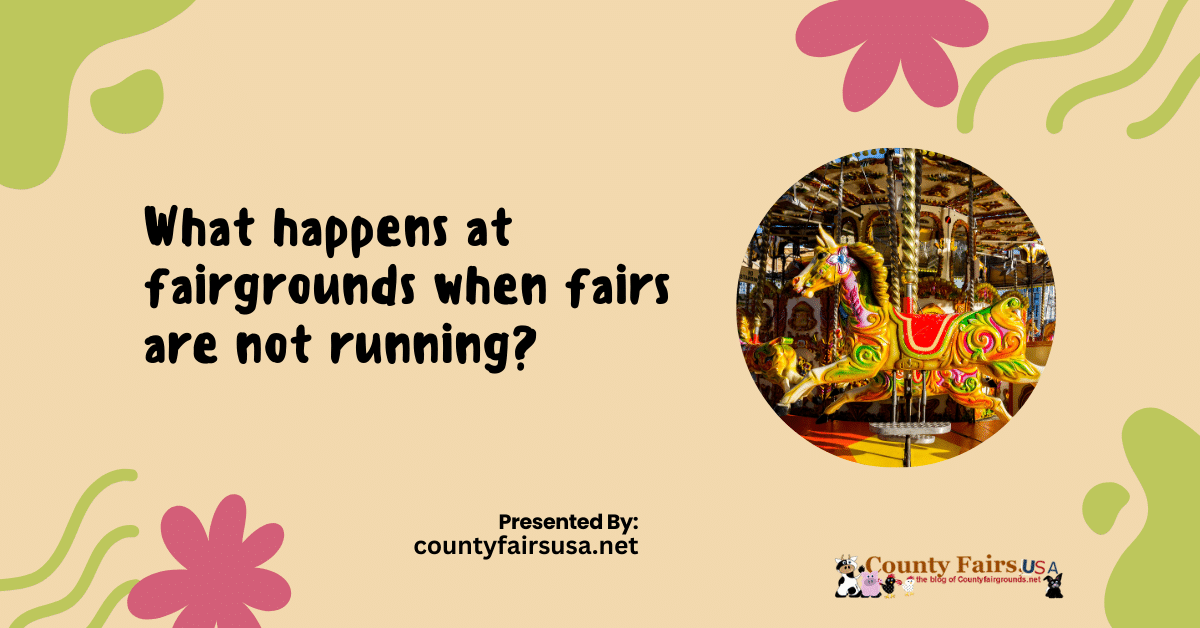
Drive past your local fairground in February or October, and you might think it's abandoned. The truth is quite different. While county and state fairs typically run for just one or two weeks each year, these sprawling properties stay remarkably busy serving their communities in dozens of unexpected ways. What Happens at Fairgrounds Off-Season (2026) Most fairgrounds operate year-round, hosting everything from weddings to rodeos, farmers markets to concerts. Understanding what happens during the off-season reveals why these properties remain valuable community assets long after the carnival rides are packed away. Community Events Fill the Calendar Fairgrounds transform into community gathering spaces throughout the year. Local organizations and businesses rely on these venues because they offer large, affordable spaces that can accommodate crowds of any size. Weekly farmers markets are among the most common off-season uses. Vendors set up under pavilions or in exhibition halls, selling fresh produce, baked goods, and handmade crafts. These markets often run from April through November, keeping fairgrounds active for most of the year. Other regular community events include: Craft fairs and antique shows using exhibition buildings Flea markets and swap meets in parking areas Community fundraisers and charity events High school graduation ceremonies in grandstands Local festival celebrations throughout the seasons Seasonal Celebrations Create New Revenue Holiday events have become major revenue generators for many fairgrounds. October brings Halloween attractions that rival the fair itself in popularity. Barns that housed livestock transform into haunted houses, while open fields become elaborate corn mazes and pumpkin patches. Christmas events follow close behind. Some fairgrounds host massive light displays where families drive through decorated grounds. Others set up holiday markets in heated buildings, giving local artisans a place to sell seasonal goods. According to event calendars on Countyfairgrounds.net, these holiday attractions often run for several weeks, bringing in steady income during traditionally slow months. Concerts and Entertainment Keep Grandstands Active The same grandstands that host tractor pulls during fair week become concert venues the rest of the year. Country music acts, classic rock bands, and tribute shows regularly book fairground stages because the outdoor atmosphere appeals to audiences. Popular entertainment events include: Regional touring acts and local bands Monster truck shows and demolition derbies Auto racing events and car shows Outdoor movie nights during summer Community theater productions Many fairgrounds have upgraded sound systems and lighting to compete with traditional venues. The unique setting and ample parking make them attractive options for both performers and audiences. Rodeos and Equestrian Events Utilize Existing Facilities Fairgrounds [...]

By |2026-02-11T08:54:24+00:00January 16th, 2026|County Fairgrounds|Comments Off on What Happens at Fairgrounds When Fairs Are Not Running?

How Carnival Rides Are Inspected and What Safety Signs Mean

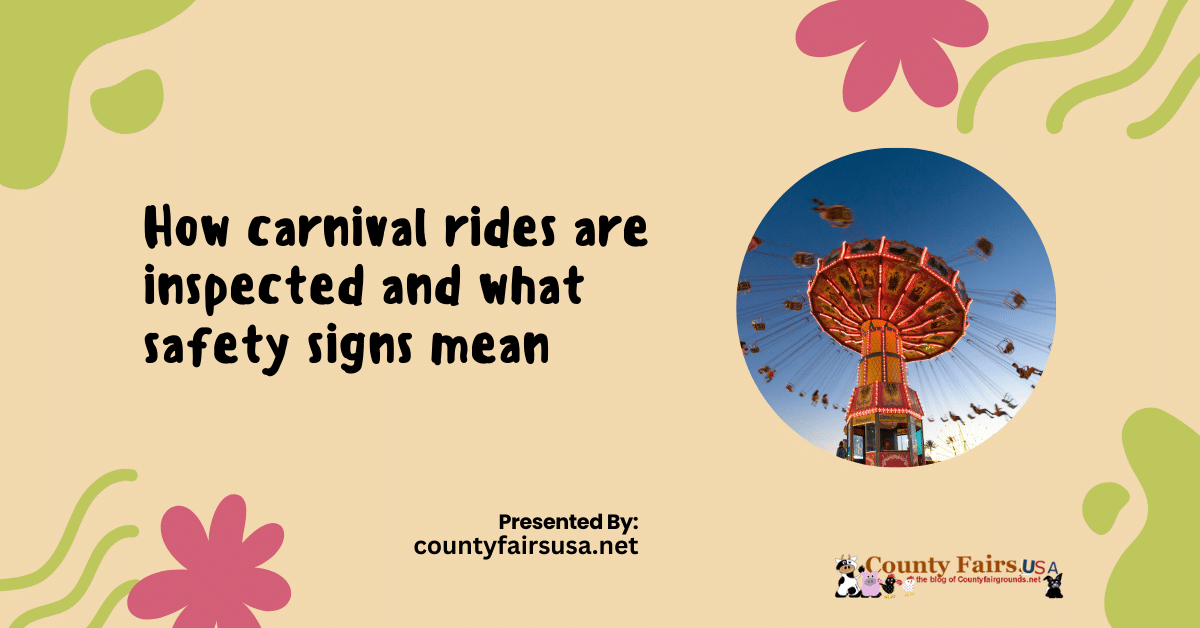
There's something magical about walking into a county fair and seeing those carnival rides lit up against the evening sky. The smell of funnel cakes, the screams from the Gravitron, kids begging their parents for just one more ride on the Tilt-A-Whirl. But here's something most people don't think about: those rides get loaded onto trucks and hauled across the country dozens of times each year. So who makes sure they're actually safe to ride? The answer might surprise you. Carnival rides go through more inspections than most people realize. From daily operator checks to state inspector visits, there's a whole system in place to keep fairgoers safe. And those safety signs posted everywhere? They're not just decoration. They exist because someone, somewhere, learned the hard way what happens when the rules get ignored. Who Actually Inspects Carnival Rides The inspection process isn't a one-and-done deal. Multiple people check these rides at different times for different reasons. Ride operators start every morning with a safety checklist before the gates even open. State inspectors show up at least once a year, sometimes more depending on local laws. Some states require monthly inspections for traveling carnival rides. Insurance companies also send their own inspectors to protect their investment. On CountyFairgrounds.net, we get questions about ride safety all the time, especially from parents with young kids. The short answer is that legitimate carnival companies take inspections seriously because one accident can shut them down permanently. The Daily Safety Checklist Carnival operators don't just flip some switches and call it good. Every morning, before the first customer walks through the gate, someone walks each ride and runs through a checklist. This happens whether it's opening day or the last night of the fair. Here's what gets checked every single day: All restraint systems get tested (lap bars, shoulder harnesses, seat belts, safety chains) Brake systems and emergency stop buttons get verified Visual inspection for loose bolts, frayed cables, cracked welds, or damaged parts At least one empty test run of the ride Confirmation that all safety signs are visible and readable If something looks wrong or doesn't pass the test, that ride stays closed until it gets fixed. Simple as that. What State Inspectors Look For When the state inspector shows up, things get more technical. These aren't just regular safety officers. They have specialized training in amusement ride mechanics and engineering. Some states require them to be certified engineers. State inspectors dig deeper than the daily checks: Structural integrity including [...]

By |2026-02-11T08:56:00+00:00January 16th, 2026|Carnivals|Comments Off on How Carnival Rides Are Inspected and What Safety Signs Mean
Go to Top